
Absolutely. Below is your full blog post formatted into clear, structured sections with headings for readability and SEO, while keeping your documentary tone and narrative flow intact.
You can paste this directly into your website editor.
The Amityville Murders: The Crime Before the Haunting
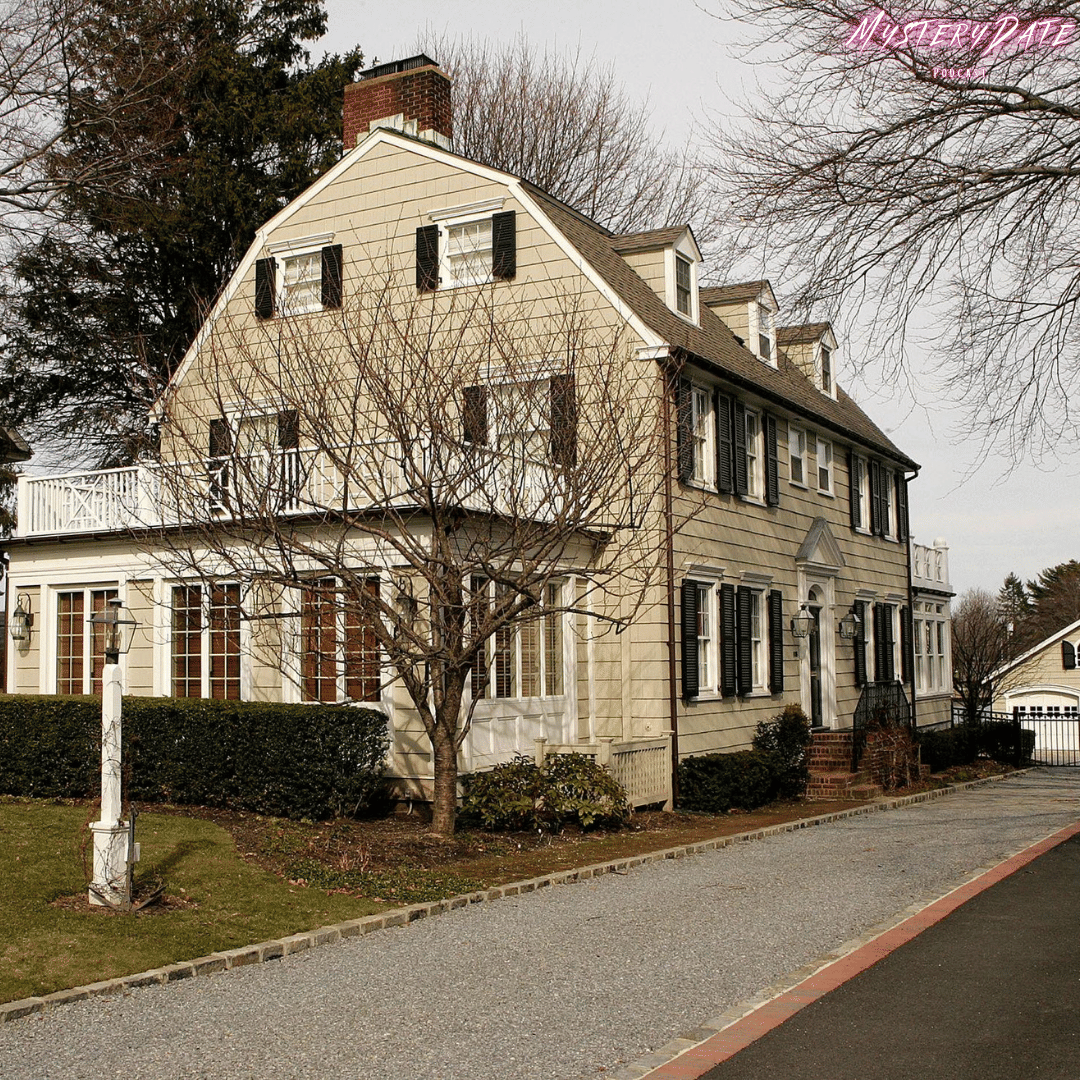
When most people hear Amityville Horror, they picture glowing red eyes in attic windows, a family fleeing their home in the dead of night, and one of the most famous haunted houses in America. The name alone conjures images of cold spots, demonic voices, and supernatural terror.
But none of that came first.
Before the books. Before the movies. Before paranormal investigators and bestselling horror paperbacks.
There was a crime scene.
On November 13, 1974, six members of the DeFeo family were murdered inside their home at 112 Ocean Avenue in Amityville, New York. The killings shocked Long Island, dominated national headlines, and would later become the dark foundation beneath one of the most profitable horror franchises in modern history.
Before Amityville became a story about hauntings, it was a homicide case.
The DeFeo Family
Ronald Joseph DeFeo Jr., known to friends and family as “Butch,” was born on September 26, 1951, in Brooklyn, New York. He was the eldest of five children born to Ronald DeFeo Sr. and Louise DeFeo.
From the outside, the DeFeos appeared to be a successful Catholic family living comfortably in postwar suburban America. Ronald Sr. worked at a car dealership owned by his father-in-law, and by 1965 the family had moved into a large Dutch Colonial-style home at 112 Ocean Avenue in Amityville. The house sat near the water and represented a kind of suburban achievement, spacious and prominent.
Yet multiple accounts from journalists, neighbors, and later court testimony suggest that life inside the DeFeo household was far from stable. Ronald Sr. was frequently described as domineering and prone to explosive anger. Reports indicate that arguments were common and that violence inside the home was not unheard of.
Some neighbors later claimed they were reluctant to speak openly about the family, citing alleged threats and hints of organized crime connections. Ronald Sr.’s father-in-law, Michael Brigante Sr., was associated with the Gambino crime family, though those ties were never formally linked to the murders.
As the eldest son, Butch reportedly bore the brunt of his father’s discipline. Accounts describe a volatile relationship between the two. At school, Butch struggled socially and was reportedly bullied, which contributed to isolation and resentment. By his late teens, he was heavily using drugs, including LSD and heroin. His behavior became erratic. He was expelled from school following violent outbursts.
Despite these issues, he began working at his grandfather’s car dealership and reportedly received steady pay regardless of performance or attendance. Throughout the early 1970s, Butch’s life spiraled into a pattern of substance abuse, petty theft, and increasing tension at home.
There were allegations that arguments between father and son escalated to the point where Butch once pulled a shotgun on Ronald Sr. during a confrontation. The weapon reportedly misfired, and police were never called. Whether fueled by addiction, anger, or deeper instability, the atmosphere inside 112 Ocean Avenue was increasingly volatile.
The Night of November 13, 1974
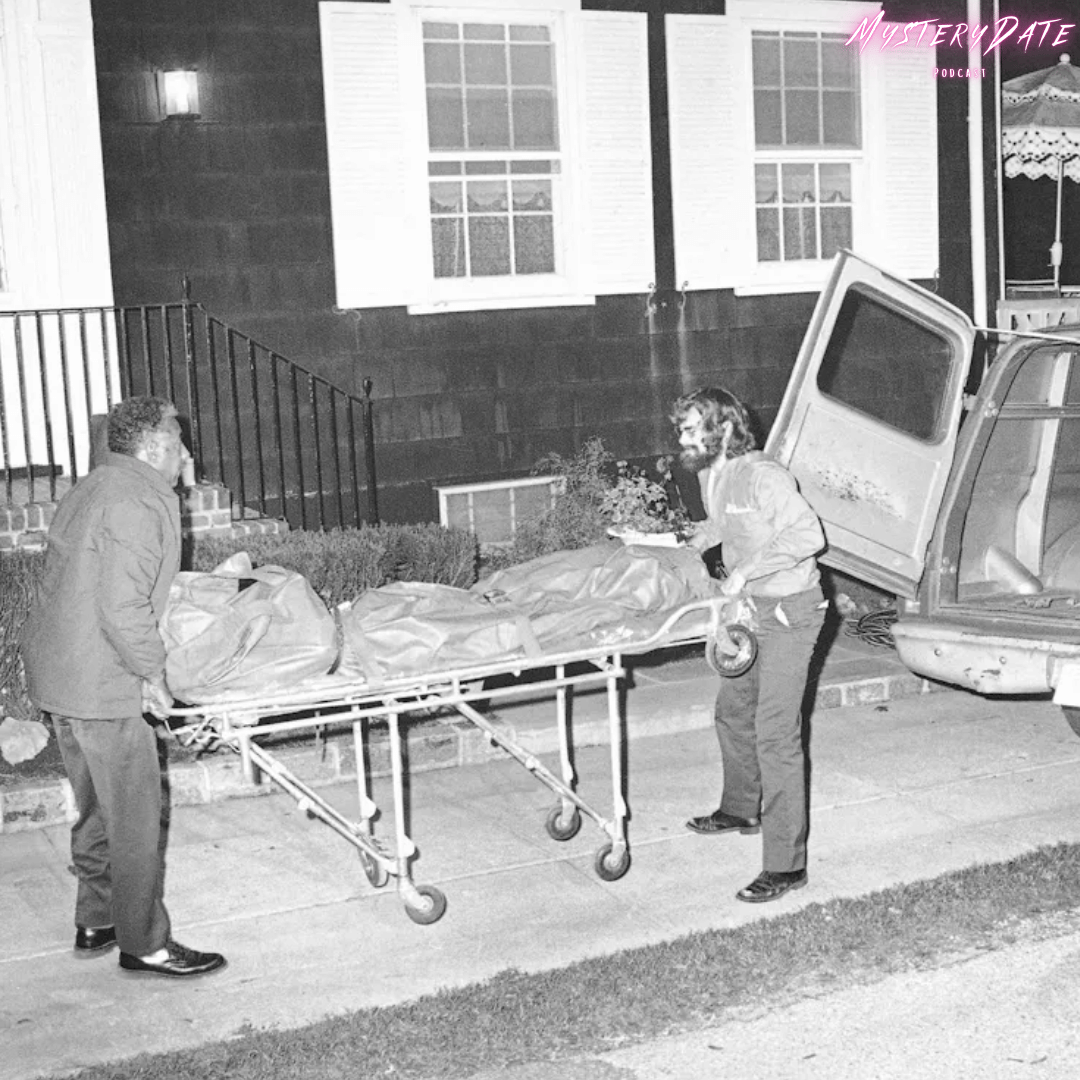
On the evening of November 12, 1974, the DeFeo family returned home and settled into what appeared to be a routine night. There were no verified reports of shouting or disturbances. Ocean Avenue was quiet.
Sometime between 3:00 and 3:30 a.m., investigators believe Ronald DeFeo Jr. retrieved a .35 caliber Marlin rifle.
The sequence that followed was reconstructed through forensic evidence and later confession. Investigators determined that Ronald DeFeo Sr. and Louise DeFeo were killed first in the master bedroom. Each was shot once while lying in bed. Both were found face-down. There were no defensive wounds and no signs that they had awakened before being shot.
From there, Butch moved through the house.
Dawn DeFeo, age 18, was shot once in her bedroom and found face-down. Allison, 13, was shot once while in bed. Marc, 12, and John Matthew, 9, were likewise shot once each, all found face-down in their beds.
The consistency of the crime scene deeply unsettled investigators. Six victims. Six gunshots. No overturned furniture. No signs of struggle. No indication anyone attempted to flee.
One of the most puzzling aspects of the case was the absence of reported noise. The Marlin rifle was not a quiet weapon, yet neighbors did not report hearing gunfire. Some later said they heard the family dog barking in the early morning hours, but nothing that suggested a massacre had taken place next door.
Despite that mystery, the physical evidence pointed inward.
Discovery and Initial Investigation
At approximately 6:00 p.m. on November 13, Ronald DeFeo Jr. entered Henry’s Bar in Amityville in what witnesses described as a distressed state. He reportedly told patrons, “You’ve got to help me. I think my mother and father are shot.”
Several men accompanied him back to the house. Upon discovering the bodies, they immediately contacted police.
Officers from the Suffolk County Police Department responded and found six deceased individuals inside the home. There were no signs of forced entry, no evidence of robbery, and no indication that an intruder had entered the house.
DeFeo initially claimed that the murders were the result of a mob hit, suggesting that his father’s alleged organized crime connections had caught up with the family. Detectives from the Organized Crime Control Bureau were consulted, but the theory quickly collapsed under scrutiny.
Ballistic testing tied the Marlin rifle directly to the fatal wounds. Empty rifle boxes were located in DeFeo’s room. Gunshot residue evidence further implicated him.
Under questioning, his story began to change. Eventually, he confessed to killing his family in the early morning hours. In later interviews, he would say, “Once I started, I just couldn’t stop.”
The Trial and Conviction
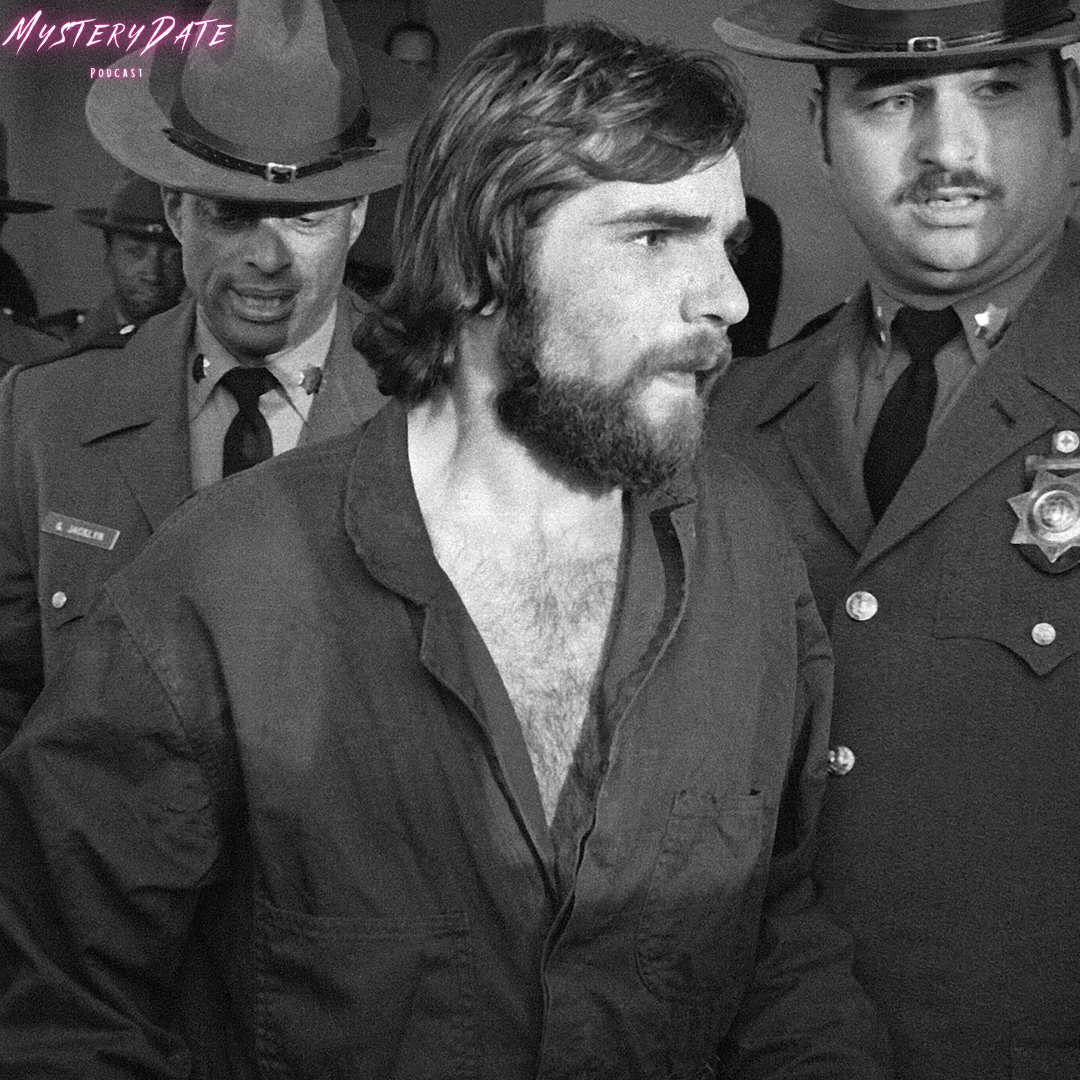
The trial of Ronald DeFeo Jr. began on October 14, 1975. His defense team pursued an insanity plea, citing heavy drug use and potential mental instability. Psychiatric experts testified regarding his state of mind.
The prosecution countered with its own experts who argued that DeFeo understood his actions and acted intentionally.
After deliberation, the jury rejected the insanity defense. On November 21, 1975, Ronald DeFeo Jr. was found guilty of six counts of second-degree murder.
On December 4, 1975, he was sentenced to six consecutive terms of 25 years to life in prison. He remained incarcerated until his death in 2021.
The Questions That Remained
While the legal case was resolved, certain details continued to fascinate and disturb the public.
Why were all the victims found face-down?
How did no one wake up?
Why did neighbors report hearing nothing?
These unanswered questions would fuel speculation and conspiracy theories for decades. But speculation was never enough to overturn the conviction or the physical evidence presented at trial.
From a law enforcement perspective, the case was closed.
A House Waiting
After the trial, 112 Ocean Avenue sat empty. The crime scene was cleaned. The evidence was cataloged. The legal system had done its work.
Just over a year later, in December 1975, the house was purchased by George and Kathy Lutz at a significantly reduced price. They were aware of the murders. They moved in anyway.
What they would later claim happened over the next 28 days would transform 112 Ocean Avenue from the site of a solved homicide into one of the most famous haunted houses in history.
But before there were stories of voices and cold spots, there were police reports and autopsy findings. Before there were demons, there was domestic violence and addiction. Before the legend of Amityville took hold, six people lost their lives in a quiet suburban home.
In Part Two, we will examine the claims made by the Lutz family, the involvement of paranormal investigators, the bestselling book that followed, and the skepticism that continues to surround the case.
Because once the crime scene tape came down, the legend of Amityville was just beginning.
About This Episode
This blog post is adapted from our Season 2 episode of the Mystery Date Podcast — “Amityville Murders | The Crime That Inspired The Legend”, part of our A Haunting season exploring the strange and mysterious side of the paranormal.
🎧 Listen to the full episode: Mystery Date Podcast
👕 Grab themed merch: Mystery and Co.
📬 Send us your local legends: mysterydatepodcast@gmail.com | (216) 770-4881