

Introduction: Stepping into Silence
Imagine stepping into a forest where the sunlight barely touches the ground—where the silence is so deep you can hear your own breath. The trees twist together like interwoven hands, roots crawling over ancient volcanic stone. There are no birds singing, no rustle of leaves in the wind. Just stillness.
This is Aokigahara, Japan’s Sea of Trees. It spreads across the northwestern base of Mount Fuji, a sprawling green ocean frozen in place. For centuries, it has carried both beauty and sorrow in equal measure. Some arrive here to hike and marvel at nature’s resilience. Others come seeking silence, reflection… and sometimes, a final resting place.
Tonight, we’re wandering its shadowed paths together. We’ll explore the history, folklore, and cultural weight of this remarkable forest—unraveling why Aokigahara is one of the most mysterious places in the world.
But tread carefully. The deeper you go, the more the world outside fades away.
1. The Forest and the Region
Mount Fuji is the postcard face of Japan: a snow-capped peak, cherry blossoms in the foreground, mirrored in a still lake. But just beyond that idyllic scene, at Fuji’s base, lies a different kind of beauty—one both breathtaking and unsettling.
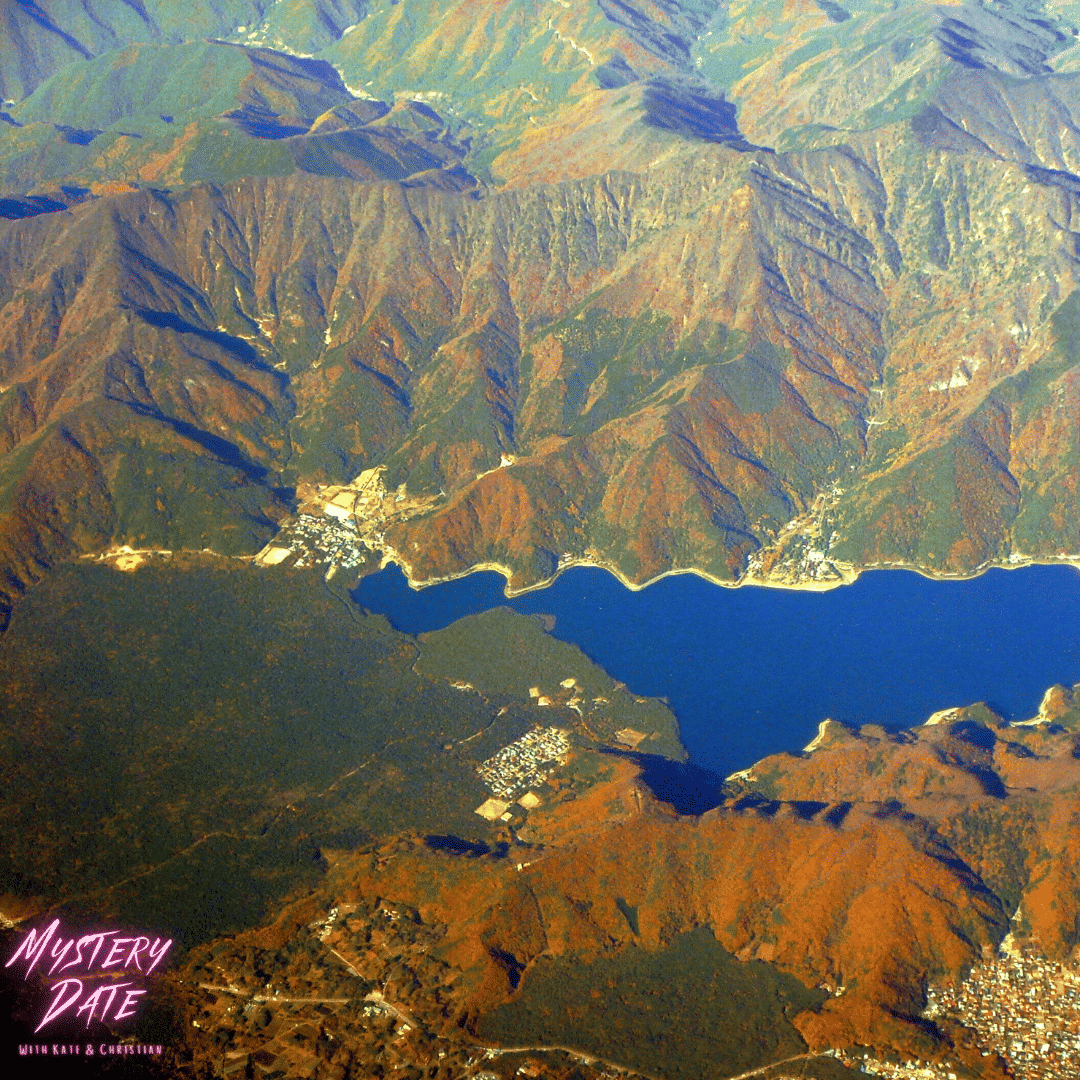
Aokigahara, or “Jukai” in Japanese (meaning Sea of Trees), stretches for about 30 square kilometers. Seen from above, it resembles waves rolling against the mountain’s slopes, an emerald tide stopped in motion.
Step inside, however, and the atmosphere changes. The dense canopy swallows sunlight, transforming it into a dim, green haze. The ground is porous volcanic rock, remnants of the 864 CE Jōgan eruption, and it absorbs sound in uncanny ways. Even footsteps seem muted.
Navigation here is notoriously difficult. The trees look nearly identical, and the thick undergrowth erases landmarks. Compasses and GPS devices often falter, thrown off by the iron-rich soil. Hikers sometimes leave ribbons or string tied to branches—lifelines to help them return.
And yet, the forest is far from hostile. In autumn, the canopy blazes gold and crimson. In winter, snow drapes the branches like lace. On bright days, shafts of sunlight break through, painting moss-covered trunks with a holy glow. Aokigahara is, at once, serene and suffocating.
It’s this duality—stunning natural wonder and eerie disorientation—that forms the heart of the forest’s mystery.
2. From Fire to Forest: A Brief History
To understand Aokigahara, we must start with fire.
In 864 CE, Mount Fuji erupted with devastating force, pouring rivers of molten rock across the landscape. Villages and farmland were consumed. When the lava cooled, it left behind a jagged, porous wasteland. For decades, little grew here.
But slowly, nature crept back. Moss and lichens took hold. Shrubs rooted in the cracks. Over centuries, cypress, hemlock, and broadleaf evergreens rose to form a dense forest. In geological terms, Aokigahara is young—just over a millennium old—but in cultural memory, it feels ancient.
Folklore of Abandonment
One of the earliest legends tied to the forest is ubasute—the rumored practice of abandoning the elderly or infirm during times of famine. Families, desperate and starving, were said to carry loved ones into the wilderness and leave them there.
Historians debate whether this ever truly occurred in Aokigahara, but the folklore stuck. Abandoned souls, the stories say, became yūrei—ghosts bound to the world by grief and rage. For centuries, whispers spread that the Sea of Trees was haunted by these spirits, wandering endlessly in sorrow.
Reputation Through the Ages
By the Edo period (1603–1868), Aokigahara was already seen as dangerous, cursed, or sacred depending on who you asked. Some feared entering. Others viewed it as a spiritual threshold—a liminal space between the living and the dead.
In modern times, literature deepened its reputation. Seichō Matsumoto’s 1960 novel Kuroi Jukai (Black Sea of Trees) depicted tragic lovers ending their lives in the forest. Decades later, Wataru Tsurumi’s controversial The Complete Manual of Suicide (1993) infamously described Aokigahara as an “ideal” place to die, cementing its reputation worldwide.
Thus, Aokigahara became a forest layered in both myth and reality—its volcanic roots, folklore, and literature all intertwining into a haunting legacy.
3. What Aokigahara Is Known For
Ask a Japanese local about Aokigahara, and you’ll get two answers. It is either a place of astonishing natural beauty—or a place of sorrow and tragedy. Both are true.
A Place of Life and Wonder
On its trails, you’ll find volcanic caves like the Narusawa Ice Cave and the Fugaku Wind Cave, where ice formations remain year-round. Moss blankets ancient lava ridges, and delicate wildflowers bloom in cracks. Wildlife—including birds, insects, and small mammals—inhabits the shadows.
For hikers, photographers, and spiritual seekers, it can be breathtaking.
A Place of Death and Silence
But Aokigahara is also known as one of the most frequent suicide sites in the world.
In the early 2000s, official reports recorded 70–100 deaths annually. In 2003, a grim record of 105 lives lost was noted. The numbers became so alarming that by 2010, Yamanashi Prefecture stopped releasing statistics, fearing that publicity would inspire more deaths—a phenomenon called the Werther effect.
Signs now greet visitors at trailheads:
“Your life is a precious gift from your parents.”
“Think of your family. Do not suffer alone. Please talk to someone.”
Authorities and volunteers patrol the forest, offering help when they can, and searching for those who do not return.
The Dual Identity
This duality—beautiful natural wonder and site of tragedy—is what makes Aokigahara so complex. Hikers might marvel at its caves, yet stumble upon ribbons tied to trees, abandoned tents, or campsites left eerily still. Some ribbons mark paths for hikers. Others were left by those who did not plan to return.
In Aokigahara, the line between life and death, adventure and sorrow, is always present.
4. A Place Between Worlds: Culture and Symbolism
In Japan, landscapes often carry spiritual weight. Mountains, rivers, and forests are not just scenery—they’re living spaces of the divine.
Shinto and the Sea of Trees
Mount Fuji itself is sacred, a bridge between human and divine. Aokigahara, at its base, exists in that spiritual geography. If Fuji is life-giving, Aokigahara is her shadow—a place of endings and silence.
In Shinto belief, kami (spirits) inhabit nature. Some are protective. Others are not. Dense, old forests are liminal spaces—places where the boundary between the living and spirit worlds thins. Aokigahara, with its silence and sorrow, is seen as one such threshold.
Ghosts of the Lost
Layered onto this spiritual backdrop is the folklore of yūrei—restless spirits trapped by strong emotion. Unlike Western ghosts, yūrei cannot move on until their sorrow or anger is resolved. Aokigahara’s legends of ubasute and lonely deaths make it fertile ground for these tales.
Hikers whisper of feeling “followed,” of hearing footsteps that stop when they stop. Others claim to hear voices—sometimes even their name—beckoning deeper into the trees.
Whether one believes in spirits or not, the cultural weight of these stories is real. They shape how people approach the forest—with awe, with caution, and with reverence.
5. True Encounters and Eerie Experiences
Over the years, hikers, volunteers, and journalists have shared stories from within Aokigahara. They paint a picture not just of tragedy, but of a forest that feels… alive.
The Compass Anomaly
The volcanic soil beneath Aokigahara is rich in iron. Place a compass on the ground, and it may spin uselessly. For the disoriented, this can be terrifying. Volunteers often carry multiple tools—maps, GPS, and landmarks—to avoid becoming trapped in endless circles.
The Silence That Watches
Most forests hum with life—birds, wind, rustling leaves. In Aokigahara, those sounds are swallowed. The volcanic rock absorbs noise. Wildlife is sparse. Many describe it as a “negative sound,” as though the silence is actively pressing in. Some find it peaceful. Others, suffocating.
The Ribbons
Bright ribbons tied to trees are common. Some lead back to safety. Others, tragically, end at abandoned camps or belongings—half-full water bottles, photographs, journals. Sometimes the person has left. Sometimes, they haven’t.
The Abandoned Campsites
Volunteers tell of finding tents deep within the forest. Some are orderly, with food neatly rationed. Others are abandoned in haste, belongings scattered. One story tells of a tent containing nothing but a notebook, its last page marked only with a date.
The Voices
Stories abound of faint voices carried through the trees. Skeptics suggest sound distortion. Believers point to the yūrei, spirits calling from the shadows.
The Modern Infamy
In 2017, Aokigahara became the center of international outrage when a YouTuber filmed a deceased person there, treating the forest as spectacle. For locals and volunteers, it was a painful reminder: this is not entertainment. It is sacred, real, and heavy with grief.
The weight of Aokigahara is not something you leave behind at the trailhead. Visitors often say they carry it with them long after stepping out.
6. A Forest in Media and the Public Eye
Aokigahara’s reputation has been shaped as much by media as by myth.
In 1960, Seichō Matsumoto’s Black Sea of Trees linked it to tragic love.
In 1993, Tsurumi’s Complete Manual of Suicide cemented its reputation.
In 2015, Gus Van Sant’s film The Sea of Trees portrayed grief and redemption.
In 2016, the American horror film The Forest turned it into a ghost story for Western audiences.
International coverage often sensationalizes the location, calling it “the suicide forest” and reducing its identity to tragedy. For locals, this is painful. Aokigahara is also an ecological marvel, a spiritual site, and a place of solemn reflection.
The challenge today is finding balance—acknowledging the sorrow without exploiting it, while still honoring its natural wonder.
7. Aokigahara Today: Nature, Tourism, and Healing
Despite its reputation, Aokigahara remains a popular destination. Tourists explore its caves, marvel at seasonal colors, and hike its trails. Guided tours emphasize safety and respect.
The forest has also become part of Japan’s larger conversation about mental health. For decades, suicide was heavily stigmatized. Today, campaigns encourage open discussion, while hotlines and resources are more widely shared.
For many, Aokigahara symbolizes this struggle—a place where silence, sorrow, and beauty coexist. A reminder that even in darkness, there is resilience.
Conclusion: The Mystery of Compassion
Aokigahara is not just “the suicide forest.” It is a living forest, a spiritual threshold, and a cultural mirror. It carries myths of abandoned souls, tragedies of the present, and the resilience of nature reclaiming volcanic stone.
For hikers, it is beauty. For families, it is grief. For Japan, it is a reminder of the importance of compassion in the face of silence.
Every step in Aokigahara carries weight—the hush of moss, the pull of folklore, and the echo of lives remembered.
Maybe that is the forest’s greatest mystery: it asks us not only to look at the shadows in the trees, but to recognize the shadows within ourselves, and meet them with care.
Resources for Help
If you are struggling with thoughts of suicide, please know you are not alone.
United States: Dial or text 988 for the Suicide and Crisis Lifeline.
Japan: Call the TELL Lifeline at 03-5774-0992 or the Tokyo English Lifeline.
Worldwide: Visit findahelpline.com for international hotlines.
📚 Want to Learn More?
Matsumoto, Seichō. Kuroi Jukai (Black Sea of Trees). Kodansha, 1960.
Tsurumi, Wataru. The Complete Manual of Suicide. Ōta Shuppan, 1993.
Yamanashi Prefecture Tourism Board – official guides.
Reider, Noriko T. “Spirits, Gods, and Phantoms: Japanese Ghost Lore.” Asian Folklore Studies, 2001.
BBC News archives on Aokigahara and suicide prevention efforts.
National Geographic – features on Mount Fuji and Japan’s forests.
🎧 Listen. Share. Repeat.
Listen to the full episode now at www.mysterydatepodcast.com/episodes
Thanks for spending time with us on Mystery Date. Be sure to follow us on Instagram, subscribe to the show, and share it with your friends, family, or even your enemies.
Because every good mystery… deserves a date.