
The Art of Ghost Hunting: A History of Chasing the Unseen
Ghost hunting didn’t begin with night-vision cameras, digital recorders, or reality television. Long before paranormal investigations became entertainment, they were acts of inquiry. Sometimes religious. Sometimes philosophical. Often risky to one’s reputation. The earliest ghost hunters were not thrill seekers chasing adrenaline, but scholars, theologians, physicians, and officials attempting to understand what apparitions might reveal about the human soul.
The Earliest Reported Ghost Hunters
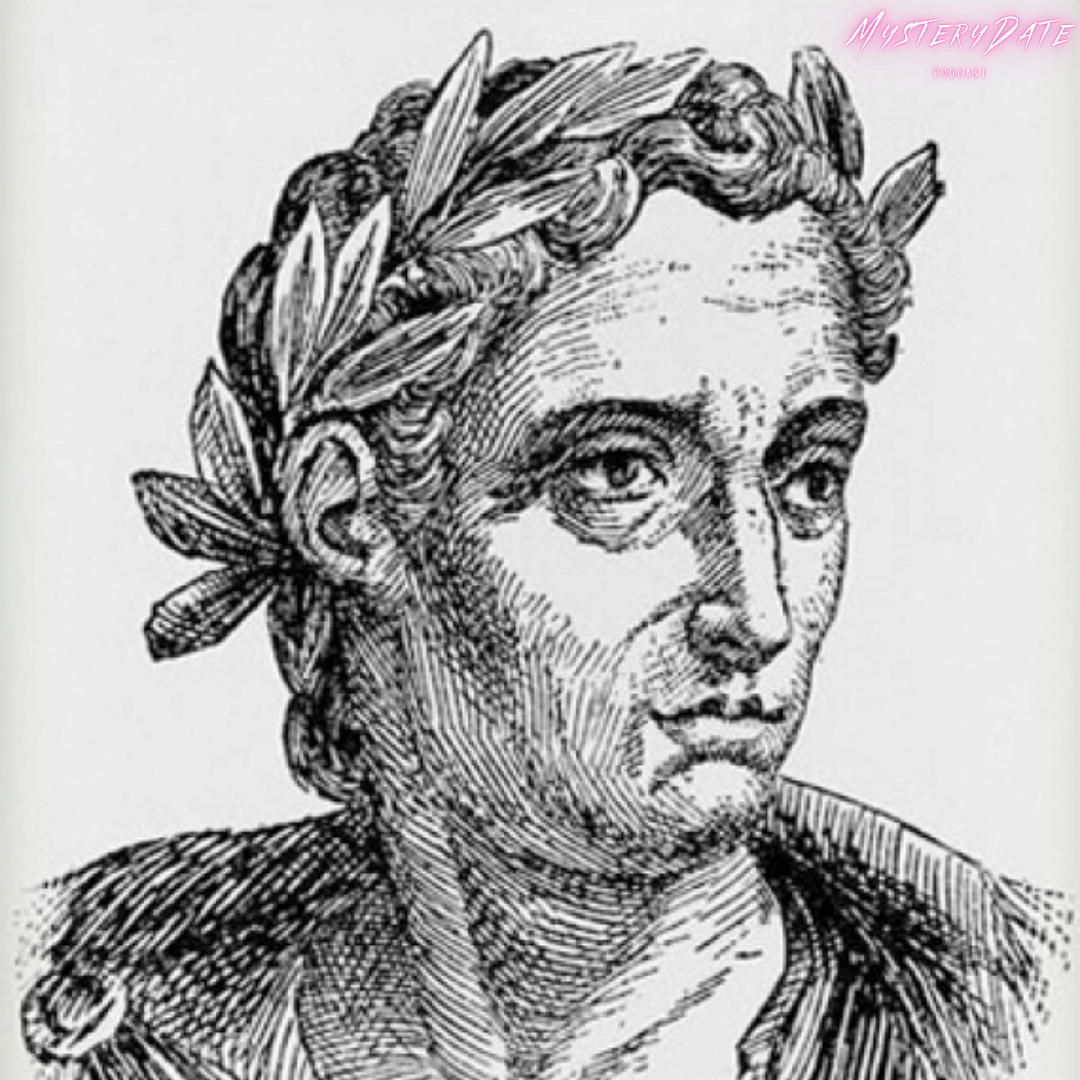
One of the earliest figures associated with systematic ghost investigation is Pliny the Younger, a Roman author writing in the early second century CE. In a letter to his friend Licinius Sura, Pliny recounts a story set in Athens involving a house so notoriously haunted that it remained vacant despite its low rent. According to Pliny, the apparition appeared as an emaciated old man bound in chains, rattling them nightly and terrifying anyone who stayed within the home.
Rather than fleeing, a Stoic philosopher named Athenodorus chose to investigate. He deliberately stayed in the house overnight, calmly observing the apparition when it appeared. The spirit beckoned him to follow, leading him to a courtyard before vanishing. The following day, Athenodorus ordered the area excavated, uncovering a skeleton bound in chains. After the remains were given a proper burial, the haunting reportedly ceased. Pliny does not frame the account as superstition, but as a reasoned inquiry. His conclusion is cautious yet revealing: he admits he is inclined to believe the story, while leaving final judgment to the reader.
This careful neutrality becomes a recurring theme throughout early ghost hunting. These early investigators did not claim mastery over the supernatural. They documented patterns, testimony, and outcomes, allowing others to weigh the evidence.
Ghost Hunting in the Middle Ages
During the Middle Ages, ghost investigation became deeply intertwined with Christian theology. Apparitions were no longer neutral curiosities. They were classified as divine visions, demonic deceptions, or the souls of the dead temporarily released from purgatory. One of the most influential thinkers to address these claims was Augustine of Hippo. In The City of God, Augustine acknowledged that reports of spirits were widespread but warned against accepting them at face value. He argued that the dead did not typically return to the living and that many apparitions could be deceptive spirits. This framework shifted ghost investigation from exploration to spiritual discernment.
By the twelfth century, detailed ghost accounts appeared in legal and ecclesiastical records. Chronicler William of Newburgh documented several revenant cases in England, including reports of the so-called “walking dead” of Berwick and Buckingham. These were not translucent apparitions, but physical corpses believed to rise from their graves and spread disease. Local clergy and officials investigated these cases through witness interviews and attempted remedies such as exhumation, absolution letters, or burial rites. While unsettling by modern standards, these accounts demonstrate structured investigation and attempts at resolution.
Enlightenment Curiosity and Early Science
The Enlightenment marked a turning point. Ghosts were no longer the exclusive concern of priests. They became subjects of scientific curiosity. One of the most significant early modern investigators was Joseph Glanvill, a seventeenth-century philosopher and fellow of the Royal Society. Glanvill believed that well-documented ghost cases could serve as evidence for the soul’s existence. His book Saducismus Triumphatus compiled sworn testimonies and eyewitness accounts of hauntings and witchcraft. Glanvill rejected anonymous or poorly sourced claims, writing that he would not dismiss evidence simply because it offended fashionable disbelief.
Spiritualism and the Birth of Psychical Research
The nineteenth century brought Spiritualism, a movement claiming that communication with the dead was not only possible but repeatable. Figures such as Emanuel Swedenborg described journeys into the spirit world, while investigators attempted to separate genuine phenomena from fraud. In 1882, the founding of the Society for Psychical Research marked the first sustained, institutional effort to study hauntings scientifically. Researchers catalogued apparitions, conducted controlled séances, and developed classification systems still referenced today. Psychical researcher Frederic W. H. Myers described ghost hunting as “the systematic exploration of the unknown borderlands of human experience.”
By this point, ghost hunting had taken on a recognizable form: interviews, documentation, skepticism paired with curiosity. The bones of the practice were firmly in place.
Ghost Hunters and the Church
The relationship between ghost hunters and the Church predates the term itself. For centuries, clergy served as default investigators of hauntings. In Catholic tradition, unexplained phenomena were first assessed by local priests, who distinguished between restless human souls, demonic oppression, and natural causes.
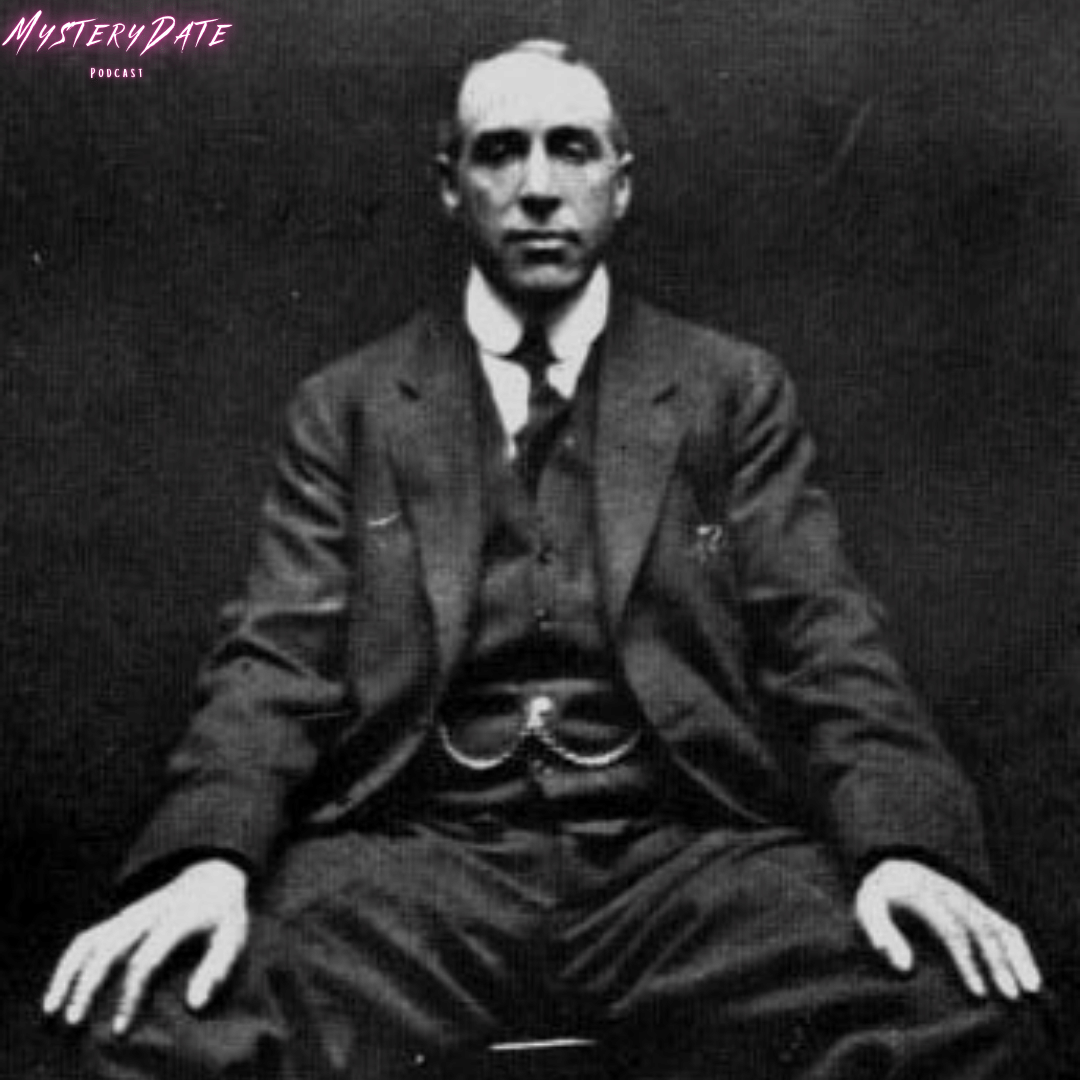
One of the most famous collaborations occurred during the 1920s investigation of Borley Rectory in England. Initially examined by clergy, the case later involved paranormal investigator Harry Price, who worked alongside church officials to document reported phenomena. While Price emphasized recordkeeping and observation, later accusations of exaggeration damaged trust. The case became a cautionary tale of how publicity can overwhelm pastoral care.
Other collaborations were quieter and more effective. In early twentieth-century Italy, several dioceses documented hauntings attributed to souls in purgatory. Priests invited scholars or physicians to observe before performing masses for the dead. Many disturbances reportedly ceased afterward. Whether interpreted as spiritual resolution or psychological relief, the Church viewed these outcomes as confirmation of doctrine rather than investigative success.
Over time, the Church adopted a more cautious stance. Modern Vatican guidelines discourage sensationalism and emphasize psychological evaluation. Independent ghost hunters are rarely granted access to Church cases today, and when cooperation occurs, it is tightly controlled.
Modern Ghost Hunting
Modern ghost hunting presents itself as a technological evolution, but its foundations remain familiar. Interviews, environmental observation, pattern recognition, and documentation remain central. What has changed is the language. Where earlier investigators spoke of testimony, modern investigators speak of data.
EMF meters, digital recorders, thermal cameras, and motion sensors are now standard tools, though many were never designed to detect paranormal activity. Critics note that their readings are open to interpretation, much like flickering candles once were. Ethical investigators emphasize historical research, consent, and debunking, often resembling field anthropologists more than thrill seekers.
The most significant change is access. Ghost hunting is no longer limited to scholars or clergy. It is open to anyone with curiosity and equipment. This democratization has led to a wide range of investigative quality, from rigorous to reckless.
Ghost Hunting Equipment

Across history, ghost hunting tools have reflected their era. Early investigators relied on journals, affidavits, and sworn testimony. The nineteenth century introduced séance tools designed for communication, many later shown to be influenced by human manipulation. The twentieth century brought photography and audio recording, creating artifacts that could be reviewed and debated.
Modern equipment includes digital audio recorders for EVP, EMF meters adapted from electrical diagnostics, thermal imaging, and motion sensors. None function as ghost detectors. At best, they record anomalies that require careful interpretation. Historically, respected investigators treated equipment as aids to observation rather than arbiters of truth.
Closing Thoughts
Ghost hunting has never been one thing. It has been prayer, science, folklore, therapy, and spectacle. From Roman philosophers to modern investigators, the tools have changed, but the impulse remains. We seek the dead not because they are loud, but because they refuse to stay silent in our stories.
Perhaps the true art of ghost hunting is not chasing shadows, but standing still long enough to ask what those shadows reveal about ourselves.
About This Episode
This blog post is adapted from our Season 2 episode of the Mystery Date Podcast — “Ghost Hunting | A History of Those Who Dared To Listen”, part of our A Haunting season exploring the strange and mysterious side of the paranormal.
🎧 Listen to the full episode: Mystery Date Podcast
👕 Grab themed merch: Mystery and Co.
📬 Send us your local legends: mysterydatepodcast@gmail.com | (216) 770-4881