
Late at night, somewhere near a riverbank, the air changes.
The water keeps moving, but the sound begins to twist. What started as a gentle current becomes something heavier. Something human. A sob. A cry. A voice stretched thin by grief. Then comes the warning that has haunted generations across Mexico, the American Southwest, and beyond:
“¡Ay, mis hijos!”
“Oh, my children.”
That cry belongs to La Llorona, the Weeping Woman. She is one of the most famous and feared figures in Mexican folklore, often described as a ghostly woman in white who wanders near rivers, canals, and irrigation ditches, searching forever for the children she lost.
But La Llorona is more than a ghost story told to frighten children into staying away from dangerous water. Her legend is a layered mystery, one woven from ancient mythology, colonial history, cultural trauma, motherhood, guilt, grief, and fear.
So who is La Llorona? Was she once a woman named Maria? A transformed goddess? A symbol of conquest? A parental warning? Or something still crying in the dark?
Let’s step closer to the river.
Who Is La Llorona?
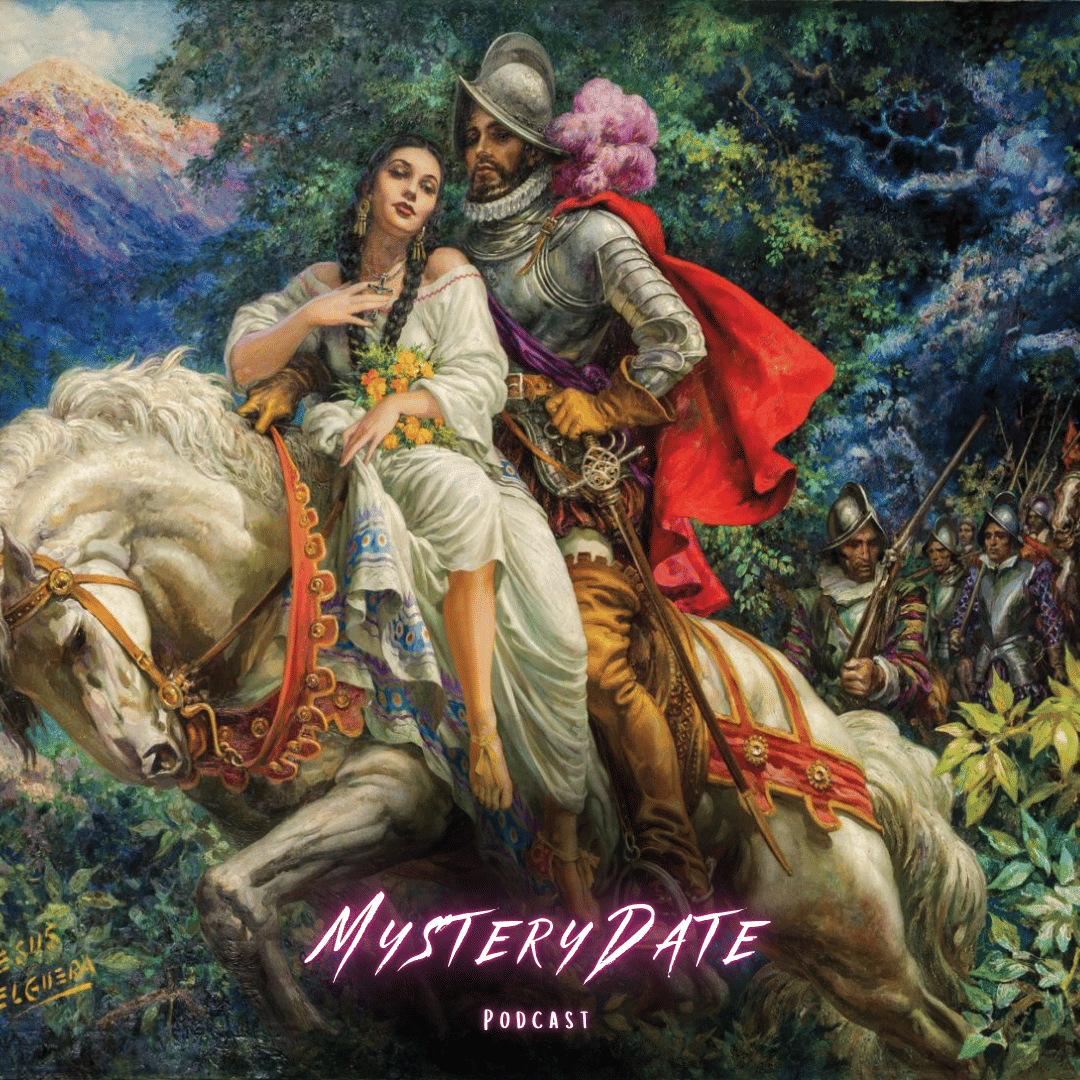
The most common version of the La Llorona legend tells the story of a beautiful woman named Maria. In many versions, Maria lived during the Spanish colonial era and was known for her beauty, pride, and social ambition. She eventually caught the attention of a wealthy ranchero, and the two married.
For a while, Maria seemed to have everything she wanted. A husband. A home. Two children. A life that looked, from the outside, like a fairy tale with polished boots and a doomed second act.
But the happiness did not last.
Her husband began leaving for long stretches of time. When he returned, he showed affection to the children but treated Maria with coldness. In some versions, Maria learns he plans to leave her for a woman of higher social status, someone considered a more “appropriate” match in colonial society.
Then comes the breaking point.
One evening, Maria is walking near the river with her children when she sees her husband riding by in a carriage with another woman. He stops only to acknowledge the children, ignoring Maria completely. Overcome with rage, humiliation, and heartbreak, Maria turns her fury toward the only people her husband still seems to love.
Her children.
In a moment of horror, she drowns them in the river.
When the rage fades, reality comes crashing back. Maria realizes what she has done and runs along the riverbank screaming for her children. But they are gone. Some versions say she dies of grief. Others say she throws herself into the water.
When she reaches the afterlife, she is asked one terrible question:
Where are your children?
Unable to answer, Maria is denied rest. She is sent back to wander the earth until she finds them. Ever since, La Llorona is said to roam near water, crying for her lost children and sometimes taking others in their place.
The Weeping Woman Before Maria
While the Maria version is the most widely known today, the roots of La Llorona may be much older.
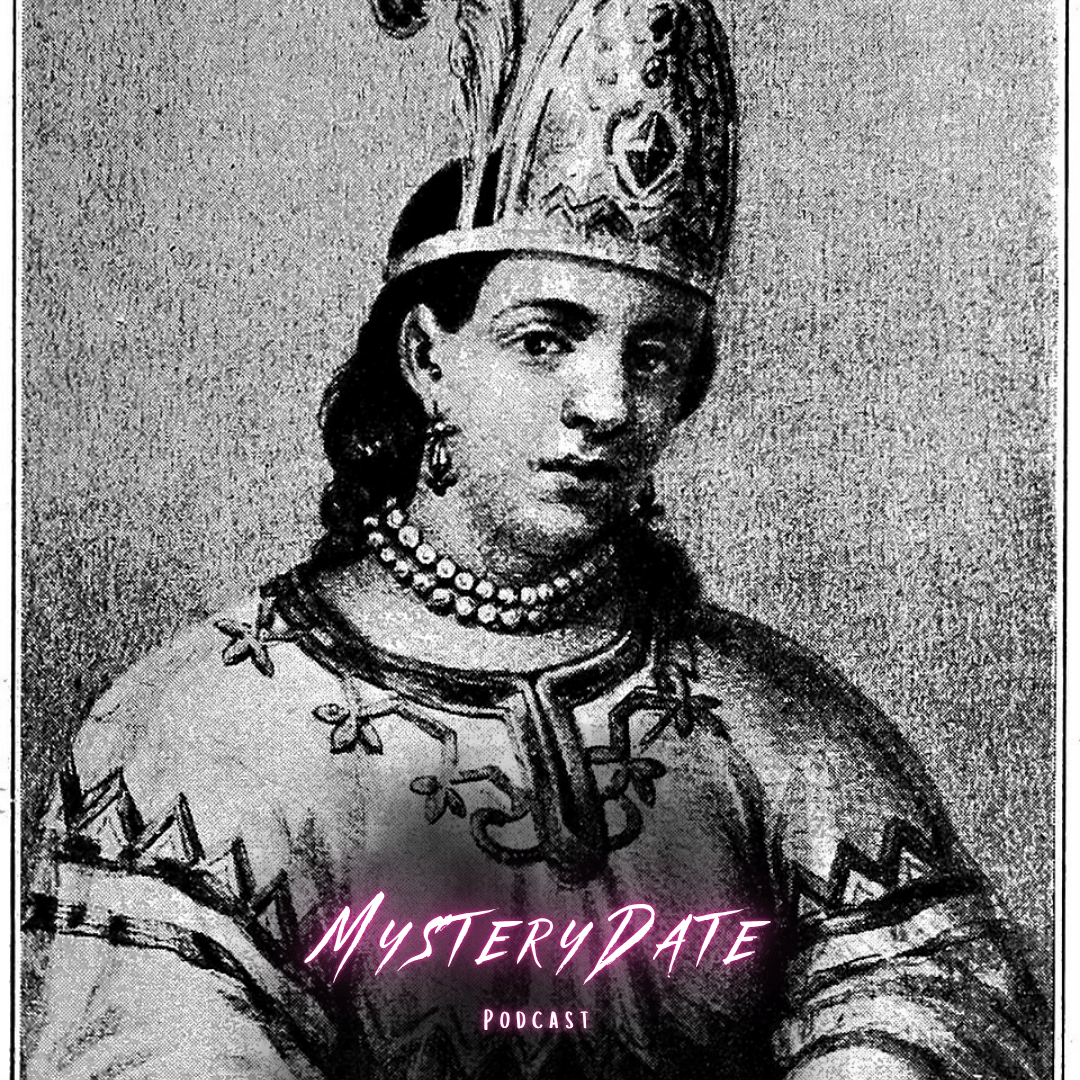
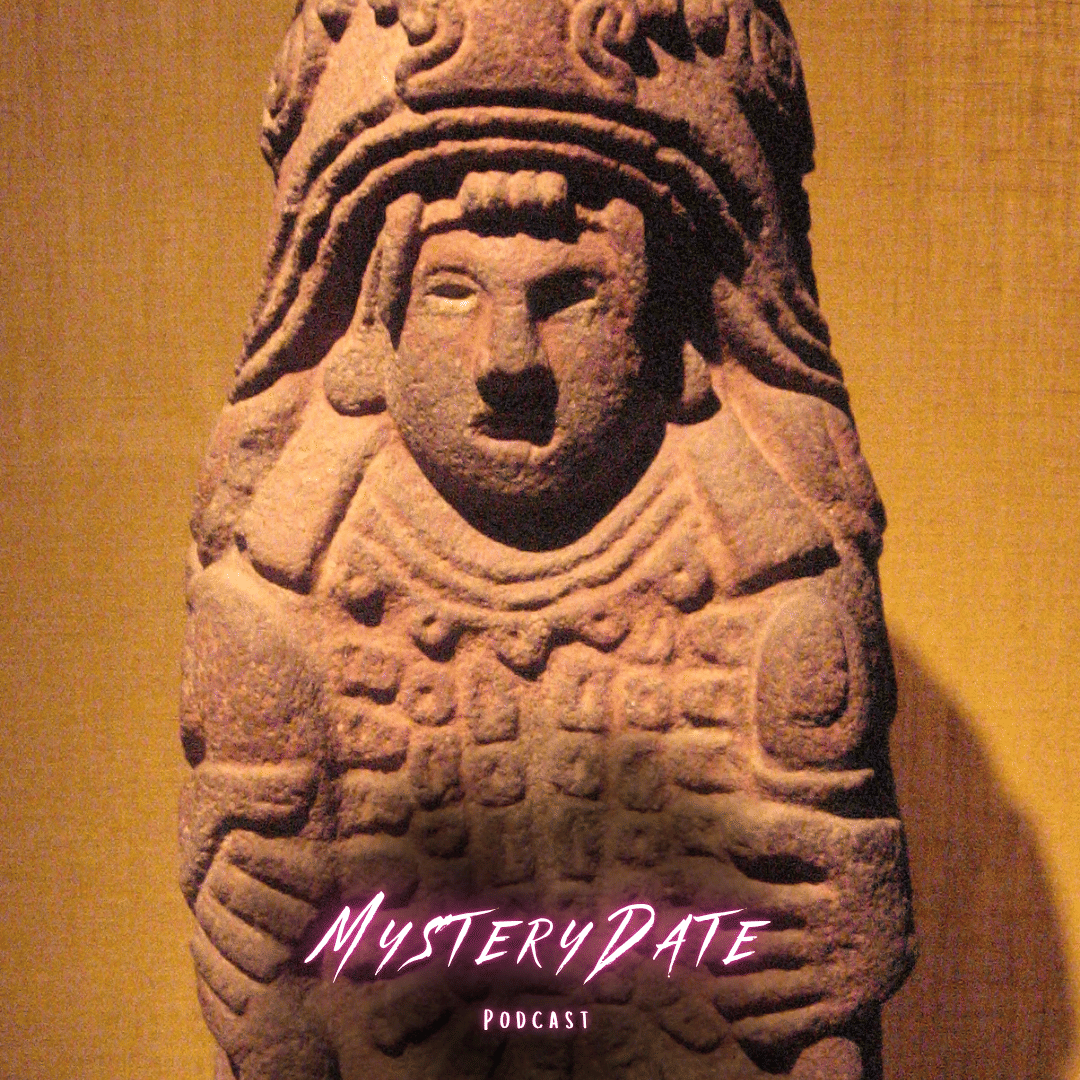
Long before the story became tied to colonial Mexico, similar figures appeared in Indigenous mythology and pre-Hispanic traditions. One of the most important connections is to Cihuacoatl, an Aztec goddess associated with motherhood, childbirth, war, and omens.
According to accounts connected to the fall of Tenochtitlan, one of the terrifying omens before the arrival of Hernán Cortés involved a woman’s voice crying in the night, warning that her children needed to flee. This image of a supernatural woman wailing in the darkness sounds strikingly close to the later La Llorona legend.
Cihuacoatl was not simply a ghost. She was a powerful divine figure. She was sometimes depicted with a skull-like face, associated with women who died in childbirth, and connected to mourning, danger, and prophecy. Like La Llorona, she existed in the shadowy borderland between motherhood and death.
Another possible influence is Chalchiuhtlicue, an Aztec goddess connected to water, rivers, lakes, and storms. She was both life-giving and dangerous, a reminder that water can nourish a civilization or swallow it whole.
This matters because La Llorona is almost always tied to water. Rivers, canals, ditches, lakes, and streams are her domain. She is not just a ghost who happens to haunt rivers. The river is part of the story’s skeleton.
La Llorona and La Malinche
Another major historical layer of the legend involves La Malinche, also known as Malintzin.
La Malinche was an Indigenous woman who became a translator, advisor, and mistress to Hernán Cortés during the Spanish conquest of the Aztec Empire. She gave birth to one of Cortés’s children and is often described as one of the symbolic mothers of the Mestizo people, those of mixed Indigenous and European ancestry.
But her legacy is deeply complicated.
In Mexican culture, La Malinche has been viewed in conflicting ways: as a survivor, as a victim, as a translator, as a mother, and, by some, as a traitor. The word malinchista even became associated with someone who favors foreign influence over their own culture.
Because of this, some interpretations connect La Malinche to La Llorona. In this reading, the Weeping Woman does not only cry for her own children. She cries for a people, a culture, and a world transformed by conquest.
That makes La Llorona more than a scary figure in white.
She becomes a symbol of historical grief.
Why Parents Told the Story
For many families, La Llorona has served a practical purpose: keeping children away from dangerous water.
In communities where rivers, canals, and irrigation ditches are part of everyday life, children can easily wander into danger. A warning like “stay away from the river at night” may not always work. But a ghostly woman who snatches children from the water?
That sticks.
In this way, La Llorona works like a supernatural fence. She marks dangerous places with fear. She turns the riverbank into forbidden territory after dark.
This does not make the legend fake or unimportant. In fact, it may help explain why it has lasted for generations. The story protects, frightens, teaches, and punishes all at once.
She is folklore with teeth.
The Bad Mother, the Grieving Mother, and the Rebel
One reason La Llorona remains so powerful is that she can represent many things at the same time.
To some, she is the ultimate “bad mother,” a warning about rage, jealousy, sin, and the consequences of betrayal. In this version, the story reinforces strict expectations around motherhood and womanhood. Maria fails in the most horrifying way possible, and her punishment is eternal.
But other interpretations see her differently.
Some Chicana feminist readings reclaim La Llorona as a figure of resistance. Her scream becomes more than guilt. It becomes protest. Her grief is not just personal; it is political. She cries out against colonial violence, patriarchy, displacement, and the silencing of women.
In that version, La Llorona is not simply a monster.
She is a voice that refuses to disappear.
La Llorona Around the World
Part of what makes La Llorona so fascinating is that her story echoes legends from other cultures.
In Greek mythology, Medea kills her children after being betrayed by Jason, making her one of the most infamous figures of revenge and maternal horror. Another figure, Lamia, becomes a child-stealing monster after her own children are destroyed.
European folklore also has its own ghostly women in white. Germany has stories of Die Weisse Frau, or the White Lady, a spectral woman sometimes tied to family tragedy. Ireland has the Banshee, whose wail foretells death.
These similarities suggest that La Llorona touches something universal. Across cultures, people have imagined mourning women, ghostly mothers, and supernatural cries that signal danger.
But La Llorona remains distinct because of her deep ties to Mexico, Indigenous history, colonial trauma, water, family, and cultural identity.
She is not just any woman in white.
She is the Weeping Woman.
Modern La Llorona Sightings and Stories
Today, La Llorona has moved far beyond whispered warnings and campfire stories.
She appears in movies, television, internet videos, TikTok stories, YouTube compilations, and paranormal forums. Some people claim to have heard her crying near rivers or canals. Others describe seeing a pale woman in white moving along the water, vanishing when approached.
Skeptics often point to natural explanations. Mountain lions, for example, are known for screams that can sound disturbingly human. Barn owls can also make chilling sounds at night, especially in isolated places where the imagination is already halfway down the haunted hallway.
And yet, the legend persists.
A strange cry near the river might be an animal. A white shape in the dark might be a trick of moonlight. A story passed down from a grandparent might become sharper each time it is told.
But folklore does not survive because it is easy to prove.
It survives because people keep feeling it.
La Llorona in Movies and Pop Culture
La Llorona has become a global horror figure, especially through film and television.
For many modern audiences, one of the biggest introductions was The Curse of La Llorona from 2019, which brought the legend into mainstream American horror. The film helped introduce the Weeping Woman to new viewers, though it also received criticism for turning a culturally rich legend into a more familiar Hollywood ghost story.
Television has also used versions of La Llorona. Shows like Supernatural and Grimm adapted the legend in different ways, sometimes leaning into monster-of-the-week horror and sometimes staying closer to her roots.
But one of the most powerful modern versions is the Guatemalan film La Llorona by Jayro Bustamante. Instead of treating her as a simple child-stealing ghost, the film uses the legend to explore genocide, grief, guilt, and justice. In that version, La Llorona becomes something closer to a reckoning.
That is the power of this legend. She can be reshaped, but she never fully disappears.
Theories About La Llorona
So what is La Llorona?
That depends on who you ask.
Some paranormal believers interpret her as an intelligent haunting, a conscious spirit still searching for her children. In this theory, she is aware, active, and dangerous. She does not simply replay the past. She hunts.
Others prefer the residual haunting theory, sometimes called the “Stone Tape” idea. According to this theory, intense emotional events may somehow imprint themselves onto a place, replaying like a ghostly recording under the right conditions. In that version, La Llorona may not be a thinking spirit. She may be an echo.
Skeptics suggest that many sightings can be explained through animals, environmental conditions, darkness, fear, and the power of expectation. If you grew up hearing that a crying woman haunts the river, then a strange sound in the night may already have a name before your brain finishes processing it.
Sociologists and folklorists may see her as a cultural symbol. La Llorona becomes a way to talk about grief, conquest, motherhood, danger, gender roles, and generational trauma.
And then there is the simplest explanation of all:
She is a story that works.
She scares children away from rivers. She gives grief a voice. She turns history into a ghost. She lets a culture carry pain without having to explain every wound directly.
Why La Llorona Still Haunts Us
La Llorona has survived for centuries because she is not just one thing.
She is a ghost story.
She is a warning.
She is a mother.
She is a monster.
She is an omen.
She is grief with wet footprints.
Her story can be told as a tragedy, a punishment, a survival tool, a colonial metaphor, a feminist reclamation, or a paranormal case file. Every generation finds a new version of her waiting by the water.
Maybe that is why La Llorona remains one of the most enduring legends in the Americas. She changes shape, but the cry stays the same.
A woman in white. A river in the dark. A voice calling for children who are never coming home. And maybe, somewhere between folklore and fear, that is the real mystery of La Llorona. Not whether she exists, but why we keep hearing her.
Listen to the Mystery Date Episode
In this episode of Mystery Date, we dive into the chilling legend of La Llorona, exploring the ghost story, the history, the theories, and the cultural meaning behind one of the most terrifying figures in folklore.
Was La Llorona once a woman named Maria? Is she connected to ancient goddesses and conquest-era trauma? Or is she simply one of the most effective ghost stories ever told?
Grab your flashlight, stay away from the riverbank, and join us for the mystery of La Llorona, the Weeping Woman.
About This Episode
This blog post is adapted from our Season 2 episode of the Mystery Date Podcast — “La Llorona | The Curse Of The Weeping Woman”, part of our A Haunting season exploring the strange and mysterious side of the paranormal.
🎧 Listen to the full episode: Mystery Date Podcast
👕 Grab themed merch: Mystery and Co.
📬 Send us your local legends: mysterydatepodcast@gmail.com | (216) 770-4881