
Loftus Hall: Ireland’s Most Haunted House
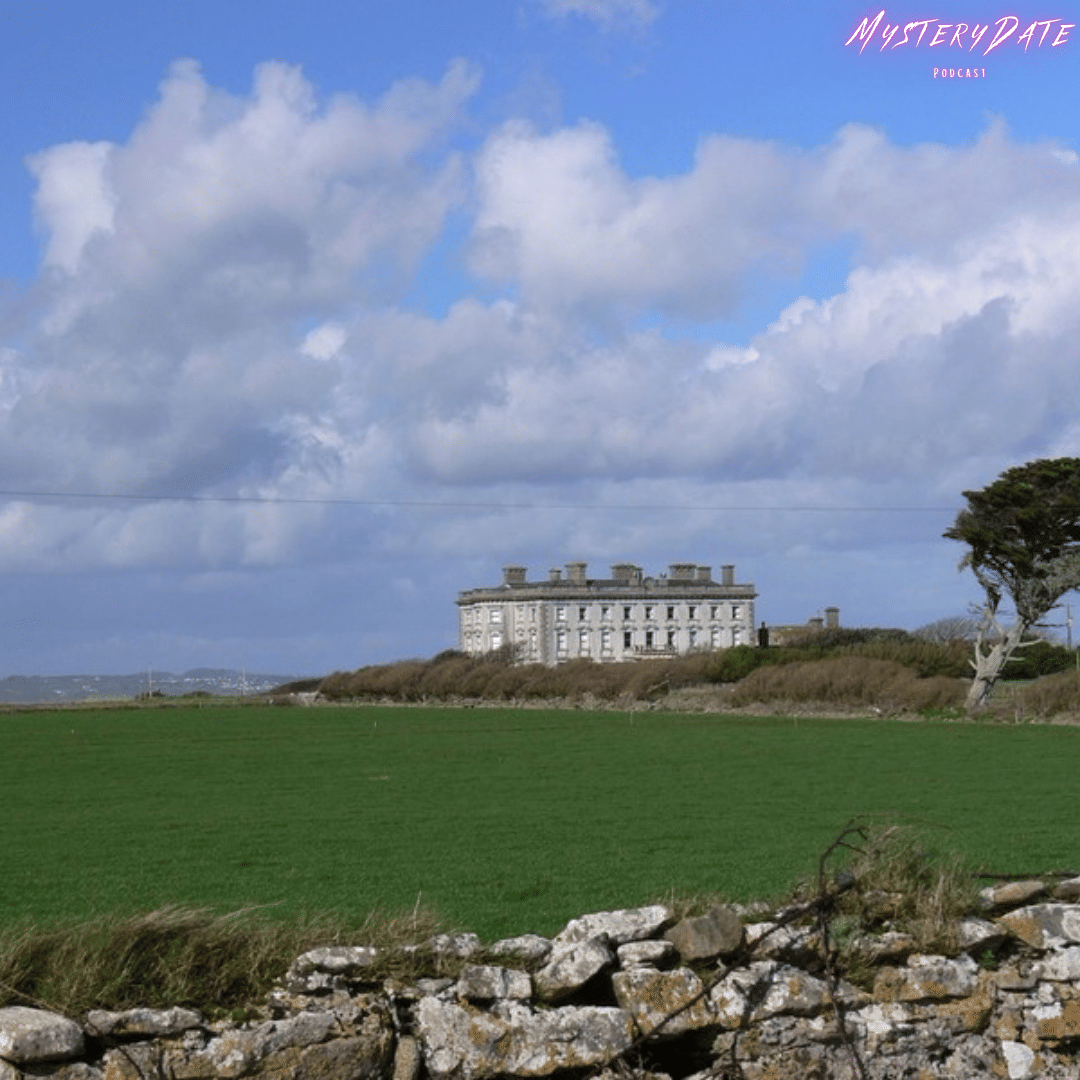
On Ireland’s rugged southeast coast, where the wind batters the Hook Peninsula and the Atlantic crashes against jagged black cliffs, a mansion stands watching the sea.
Its name is Loftus Hall.
Perched above the water in County Wexford, Loftus Hall has earned a reputation as Ireland’s most haunted house. But long before it became a destination for ghost hunters, paranormal investigators, and curious tourists, it was simply a grand country estate. One shaped by war, plague, ambition, isolation, and centuries of uneasy silence.
To understand why Loftus Hall feels so heavy with legend, you have to start at the beginning.
A Hall Born of Invasion, Plague, and Power
The land where Loftus Hall stands has been contested ground for nearly a thousand years.
In the late 12th century, during the Anglo-Norman invasion of Ireland, a Norman knight named Raymond le Gros landed nearby. His arrival marked the beginning of English influence on the Hook Peninsula, and with it came fortifications, estates, and centuries of conflict.
Around 1350, during the shadow of the Black Death, the Redmond family built the first major structure on the site. Known then as Redmond Hall, it was a fortified manor designed not just for comfort, but for survival. Thick stone walls and defensive features were meant to withstand siege, rebellion, and the constant threat of disease.
For generations, the Redmonds ruled this corner of Wexford. That dominance ended violently in the 1640s, when Ireland was torn apart by rebellion and Oliver Cromwell’s brutal conquest. The Redmond family sided with the Irish Confederates, a choice that cost them everything. Their stronghold fell, and the property was confiscated by English forces.
By 1666, the estate passed into the hands of Henry Loftus, a wealthy English Protestant. His family would give the hall its modern name, and over the next two centuries, the Loftuses transformed the property into a symbol of privilege and power.
Their descendants rose through the ranks of the British aristocracy, eventually becoming the Marquesses of Ely. Loftus Hall expanded alongside their status, growing into a sprawling estate overlooking the Irish Sea.
A Gothic Transformation
The version of Loftus Hall most people recognize today took shape in the late 19th century.
Between 1872 and 1879, John Henry Wellington Graham Loftus, the 4th Marquess of Ely, and his mother Lady Jane Loftus undertook a massive renovation. The aging Georgian structure was reimagined as a Victorian Gothic mansion, dramatic and imposing against the coastal sky.
The remodel added sweeping staircases, ornate plasterwork, and more than twenty rooms with panoramic views of the sea. From the outside, the house looked like something pulled from a Gothic novel. From the inside, it was beautiful, cavernous, and strangely isolating.
The Hook Peninsula is remote even by Irish standards. Storms roll in without warning. The wind never truly rests. And the land is steeped in stories far older than the house itself.
It was the perfect setting for a legend to take root.
The Legend of the Stranger and Lady Anne
The most enduring story associated with Loftus Hall centers on a stormy night, a mysterious guest, and a moment beneath a card table that would echo through centuries of Irish folklore.
In the mid-18th century, the hall was occupied by the Tottenham family. Charles Tottenham, a member of the Irish Parliament, lived there with his second wife and his younger daughter, Lady Anne Tottenham.
Sometime around 1766, during a violent Atlantic storm, a ship sought refuge at nearby Slade Harbour. From it emerged a stranger. He was described as well dressed, polite, and eager for shelter. The Tottenhams welcomed him into their home.
According to legend, Lady Anne and the stranger formed an immediate connection.
Evenings were spent in the drawing room, often gathered around a card table. One night, during a game, Lady Anne dropped a card. When she bent to retrieve it, she glanced beneath the table and froze.
Where the stranger’s foot should have been, she saw a cloven hoof.
She cried out in shock. And in that instant, the visitor is said to have revealed his true nature. The stranger shot upward through the ceiling in a burst of flame and smoke, vanishing completely and leaving behind a hole in the roof.
From that night on, Lady Anne was never the same.
The Tapestry Room
The story claims that Lady Anne’s mental health rapidly deteriorated. She was confined to the very room where the card game had taken place, now known as the Tapestry Room.
Accounts describe her sitting with her knees drawn tightly to her chest, refusing food, refusing conversation, and staring endlessly out toward the sea. Some say she was waiting for the stranger to return.
Lady Anne died in 1775.
One of the most chilling details in the legend claims that when her body was discovered, it had stiffened in the same seated position, her muscles locked in place. Supposedly, she was buried that way.
Adding weight to the folklore is a real gravestone inscription in nearby Horetown Cemetery. It belongs to Father Thomas Broaders, who died in 1773. The inscription reads:
“Here lies the body of Thomas Broaders,
Who did good and prayed for all.
And banished the Devil from Loftus Hall.”
That inscription suggests the story was circulating widely enough in the late 18th century for a priest to publicly claim he had expelled something evil from the house.
Variations, Folklore, and What We Can Verify
As with most legends, the details shift depending on who tells the story.
Some versions say the stranger arrived on horseback rather than by ship. Others insist the hole in the ceiling was repeatedly repaired, only to collapse again and again. Visitors still point out a mismatched section of ceiling believed to mark the spot.
The story appears in early 20th-century ghost collections, including True Irish Ghost Stories (1914) by St. John D. Seymour and Harry L. Nelligan, confirming that by that time, the legend was firmly embedded in Irish folklore.
What is verifiable is that:
The Tottenham family lived at the hall in the 18th century
Lady Anne Tottenham existed
She suffered a mental decline and was confined
Reports of hauntings began long before modern tourism
The rest lives in oral tradition. And that blend of documented history and myth is exactly what keeps the story alive.
Loftus Hall in the Modern Age
In recent decades, Loftus Hall transitioned from private residence to school, and eventually into a public tourist attraction. With that shift came a new wave of haunting reports.
After the Quigley family purchased the property in 2011 and opened it for tours in 2012, visitors began sharing eerily similar experiences.
Many reported sudden temperature drops, particularly in the Tapestry Room, even when the rest of the house felt normal. Others described intense emotional reactions, unease, or fear without obvious cause.
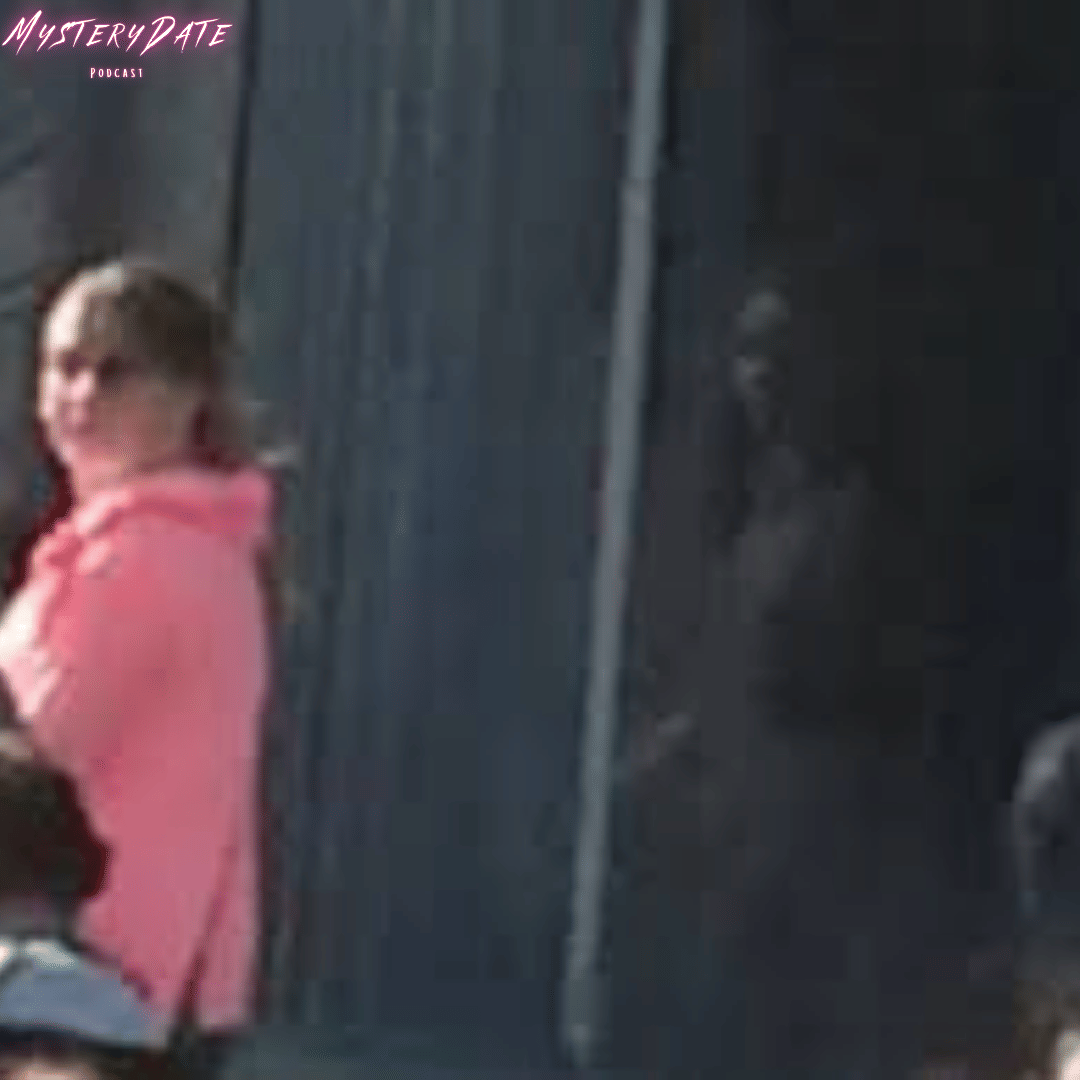
Some claimed to hear children’s laughter echoing through empty corridors. Others shared photographs said to capture shadowy figures or faces peering from windows.
In 2016, the hall hosted overnight paranormal lockdown events. Investigators used infrared cameras, motion sensors, and thermal imaging. One participant described detecting heat signatures where no one should have been, leaving the entire team huddled together in silence.
Whether these experiences point to something supernatural or simply the power of suggestion, atmosphere, and architecture is up for debate.
A Haunted Reputation, A Lasting Legacy
Loftus Hall’s haunted identity became central to its modern image. Tens of thousands of visitors traveled to the Hook Peninsula each year, drawn by the promise of Ireland’s most haunted home.
The house was put up for sale in 2020 and sold in 2021. As of recent years, public tours have been limited or halted entirely as new plans for the property take shape.
But legends don’t need open doors to survive.
Why Loftus Hall Endures
Whether or not the devil ever played cards beneath its roof, Loftus Hall remains one of Ireland’s most striking Gothic mansions and a cornerstone of its supernatural folklore.
It’s a place where invasion, plague, ambition, isolation, and belief all converge. Where real history blurs into myth. Where architecture amplifies emotion. And where a single story, whispered across generations, refuses to fade.
When the wind howls across the Hook Peninsula and sea mist curls around the stone walls, it’s easy to imagine a light burning in the Tapestry Room.
And somewhere inside, the quiet shuffle of cards on a table, waiting for someone brave enough to look underneath.
About This Episode
This blog post is adapted from our Season 2 episode of the Mystery Date Podcast — “Loftus Hall | The Most Haunted House In Ireland”, part of our A Haunting season exploring the strange and mysterious side of the paranormal.
🎧 Listen to the full episode: Mystery Date Podcast
👕 Grab themed merch: Mystery and Co.
📬 Send us your local legends: mysterydatepodcast@gmail.com | (216) 770-4881