
The Lore of Ghosts: A Journey Through Humanity’s Oldest Mystery
For as long as humans have told stories, we’ve told stories about the dead refusing to stay quiet.
Across cultures, continents, and centuries, people have believed that something lingers after death. A presence. An echo. A shadow that doesn’t quite belong to the living, yet never fully leaves this world behind. Ghosts exist at the crossroads of fear, faith, memory, and hope, and they have followed humanity from our earliest civilizations into the modern age.
This season of Mystery Date dives headfirst into the paranormal, and before stepping into haunted houses and infamous locations, it felt important to start at the foundation. Where did ghost stories come from? Why do they exist everywhere? And what do people actually mean when they say a place is “haunted”?
Consider this your primer for A Haunting.
Where the Idea of Ghosts Began
At its core, a ghost is commonly defined as “an apparition of a dead person believed to appear or become manifest to the living.” That definition, while tidy, barely scratches the surface.
The belief that the dead can linger among the living is one of the most universal ideas in human history. Every known culture, from ancient civilizations to modern America, has its own version of ghost lore. These beliefs grew out of humanity’s earliest attempts to understand death, the afterlife, and the unexplainable.
In ancient Mesopotamia, the Sumerians and Babylonians believed in etimmu, restless spirits of the dead who wandered the earth if they were not properly buried or honored. Clay tablets describe rituals meant to appease these souls before they caused harm.
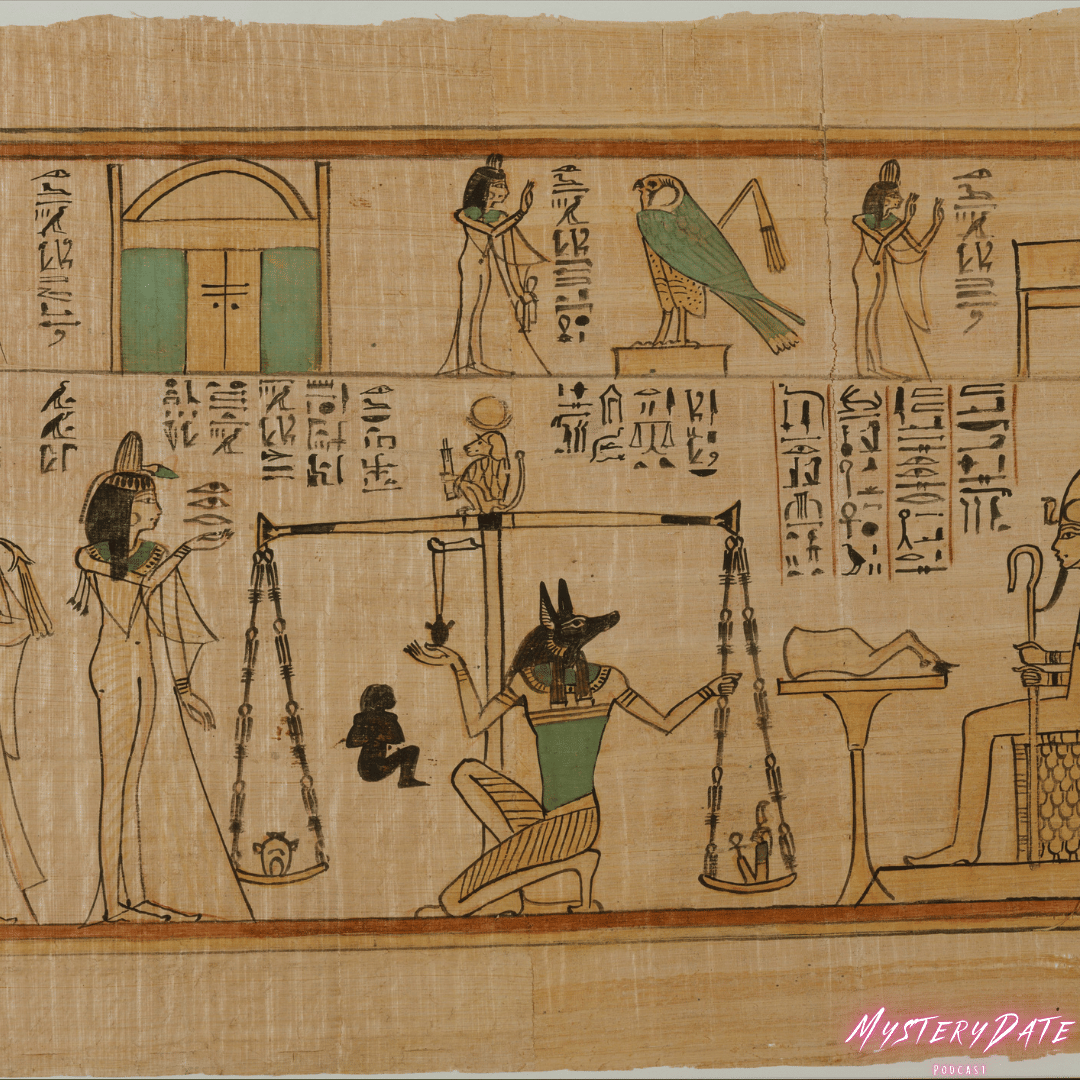
Ancient Egyptians believed the soul was made up of multiple parts, including the ka (vital essence) and the ba (personality). If burial rites were neglected or the dead were forgotten, these aspects could wander, returning as a ghostly presence.
In early Chinese tradition, ancestor spirits were believed to return regularly, especially during festivals like the Hungry Ghost Festival, when offerings of food and incense were made to appease wandering souls.
Greek and Roman cultures believed that unburied or dishonored souls became shades, trapped between worlds. The Romans even held the Lemuria festival, a ritual designed to banish malevolent spirits from their homes.
Across civilizations, the message was consistent: respect the dead, or risk their return.
Ghosts and Religion
As religions evolved, so did interpretations of hauntings.
In medieval Christianity, ghosts were often seen as souls from Purgatory seeking prayers, or as demonic entities disguising themselves as the dead. Stories of spirits returning to request masses or warn the living were common.
Islamic tradition generally attributes hauntings to jinn rather than human spirits, supernatural beings created from smokeless fire who exist alongside humanity.
Hindu belief speaks of preta, restless souls who failed to receive proper funeral rites, echoing much older ideas found in Mesopotamian culture.
Nearly every religion on Earth has its own explanation for what happens after death, but the common thread remains the same: not all souls move on peacefully.
Ghosts in Folklore and Literature
During the Middle Ages, ghost stories flourished, often used by churches as moral lessons. Live sinfully, and your soul might never find rest.
By the 16th and 17th centuries, ghosts had become staples of folklore and literature. Shakespeare’s Hamlet famously presents a ghost that is not just frightening, but morally complex, emotional, and psychologically disturbing.
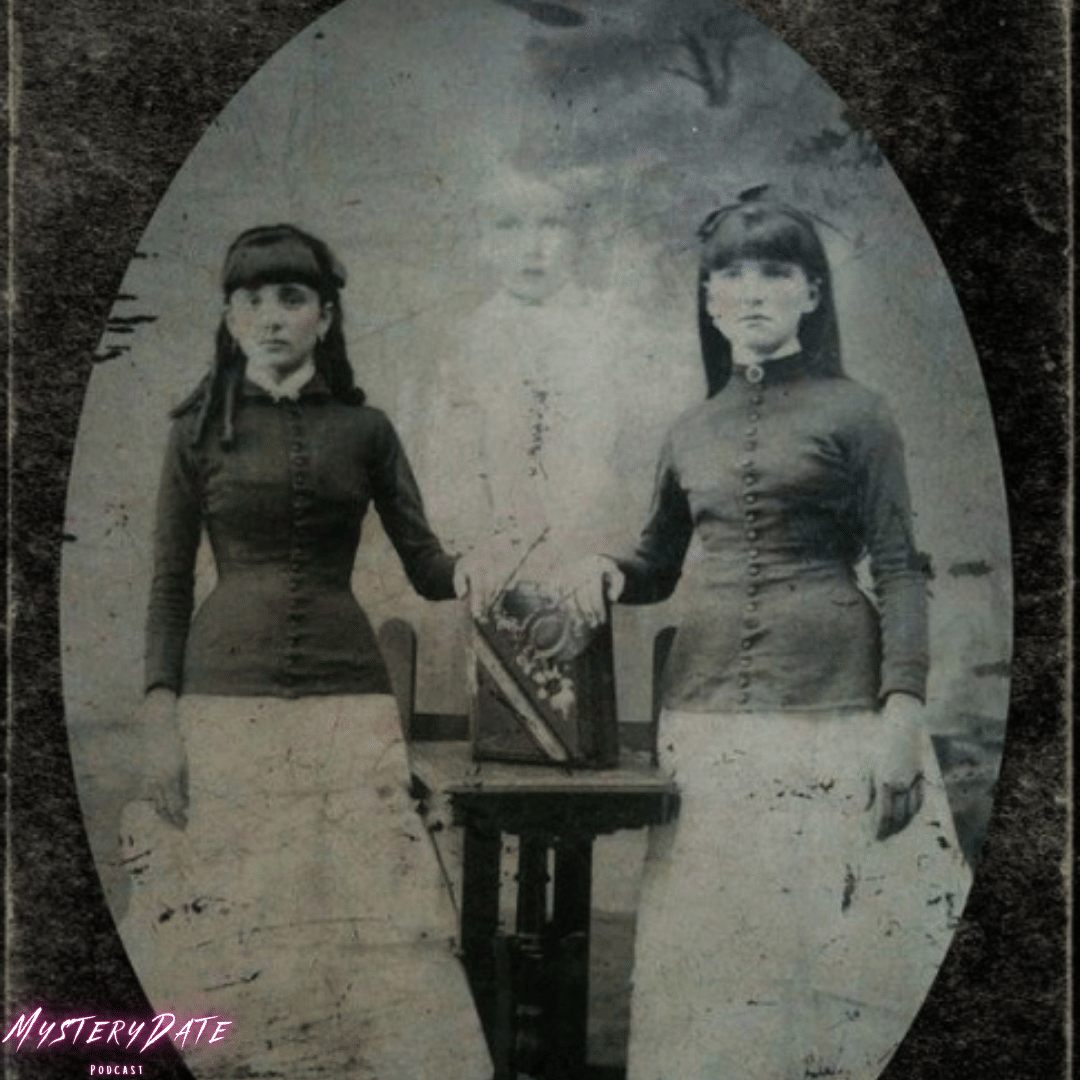
The 19th century marked a turning point. The rise of Spiritualism brought séances, mediums, and claims that the dead could communicate directly with the living. At the same time, advances in science and photography made people wonder whether the unseen could finally be captured or proven.
Writers like Charles Dickens, Henry James, and M.R. James refined the ghost story into something elegant, tragic, and deeply unsettling. Their influence still shapes how we imagine hauntings today.
The Many Types of Ghosts and Hauntings
Not all ghosts behave the same way. Over time, investigators and folklorists have categorized hauntings into different types.
Residual hauntings, sometimes called “echo ghosts,” are not believed to be conscious. These appear as repeated events, footsteps at the same hour each night, a figure walking the same path, or distant crying. Theories suggest these are emotional imprints left behind by trauma, replaying like a recording.
Intelligent or interactive spirits are what most people imagine when they think of ghosts. These entities appear aware, capable of responding to questions, manipulating objects, or interacting with electronics. They are often associated with unfinished business or strong emotional attachments.
Poltergeists are known for chaos rather than appearances. Objects move, doors slam, lights flicker, and physical disturbances occur. Some believe these are spirits, while others argue they are unconscious psychokinetic releases from emotionally charged individuals.
Shadow people are dark, humanoid silhouettes often seen in peripheral vision. Encounters are frequently accompanied by intense fear. Explanations range from interdimensional theories to sleep paralysis and neurological responses.
Crisis apparitions involve seeing a person at the moment of their death, often before news of their passing reaches the witness. These experiences are reported across cultures, especially during times of war.
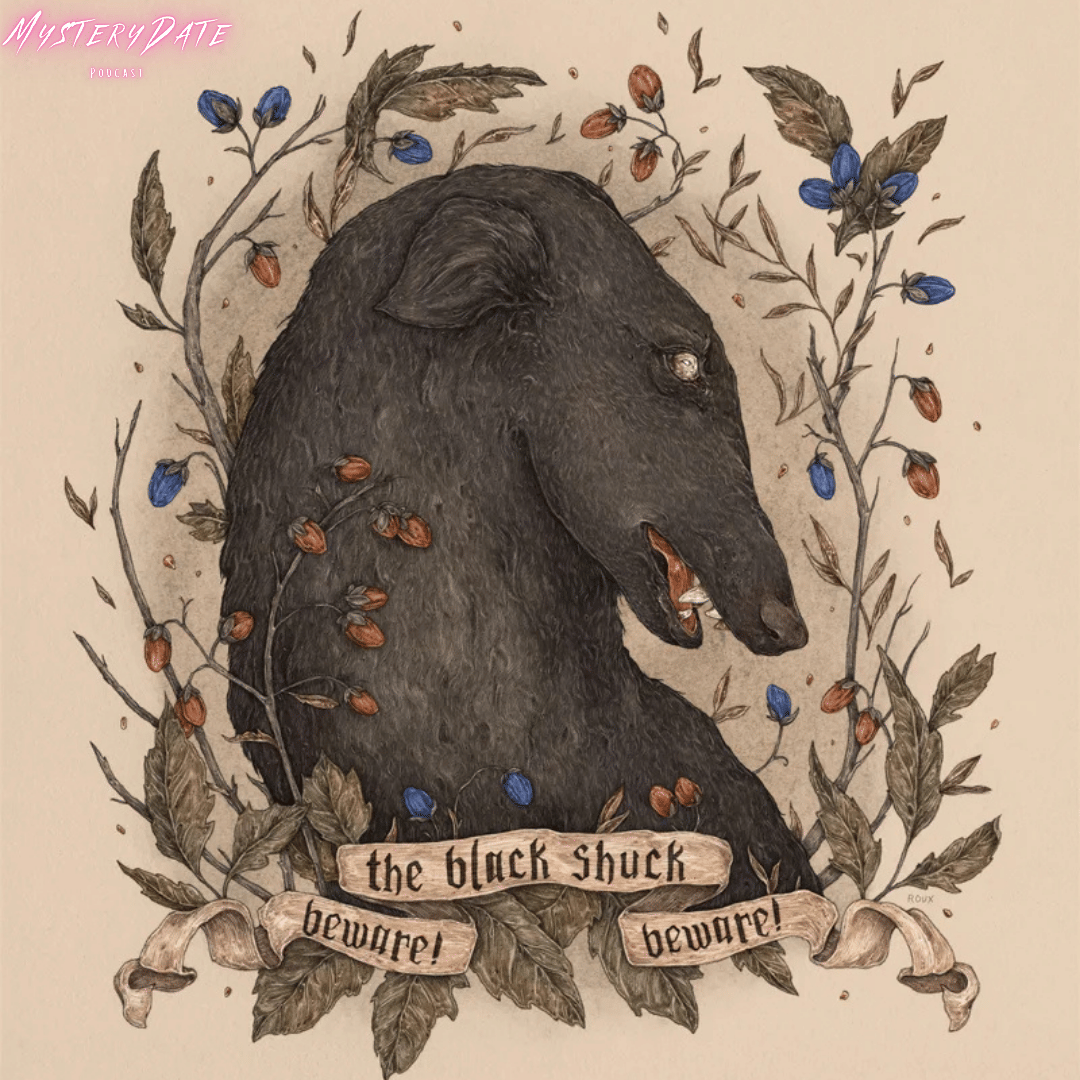
Death omens are not spirits of the dead, but entities or visions believed to foretell death. Folklore includes figures like the banshee or phantom black dogs whose appearances signal tragedy.
Vengeful spirits appear across global mythology. These ghosts are fueled by anger, betrayal, or injustice and are often hostile toward the living.
Demonic entities are typically considered non-human spirits. Many investigators separate these from ghosts entirely due to their cruelty and manipulative behavior.
Finally, apparitions of light or orbs are often captured in photographs or videos. Believers see them as spirit manifestations, while skeptics point to dust, insects, or camera artifacts.
Humanity’s Attempts to Speak With the Dead
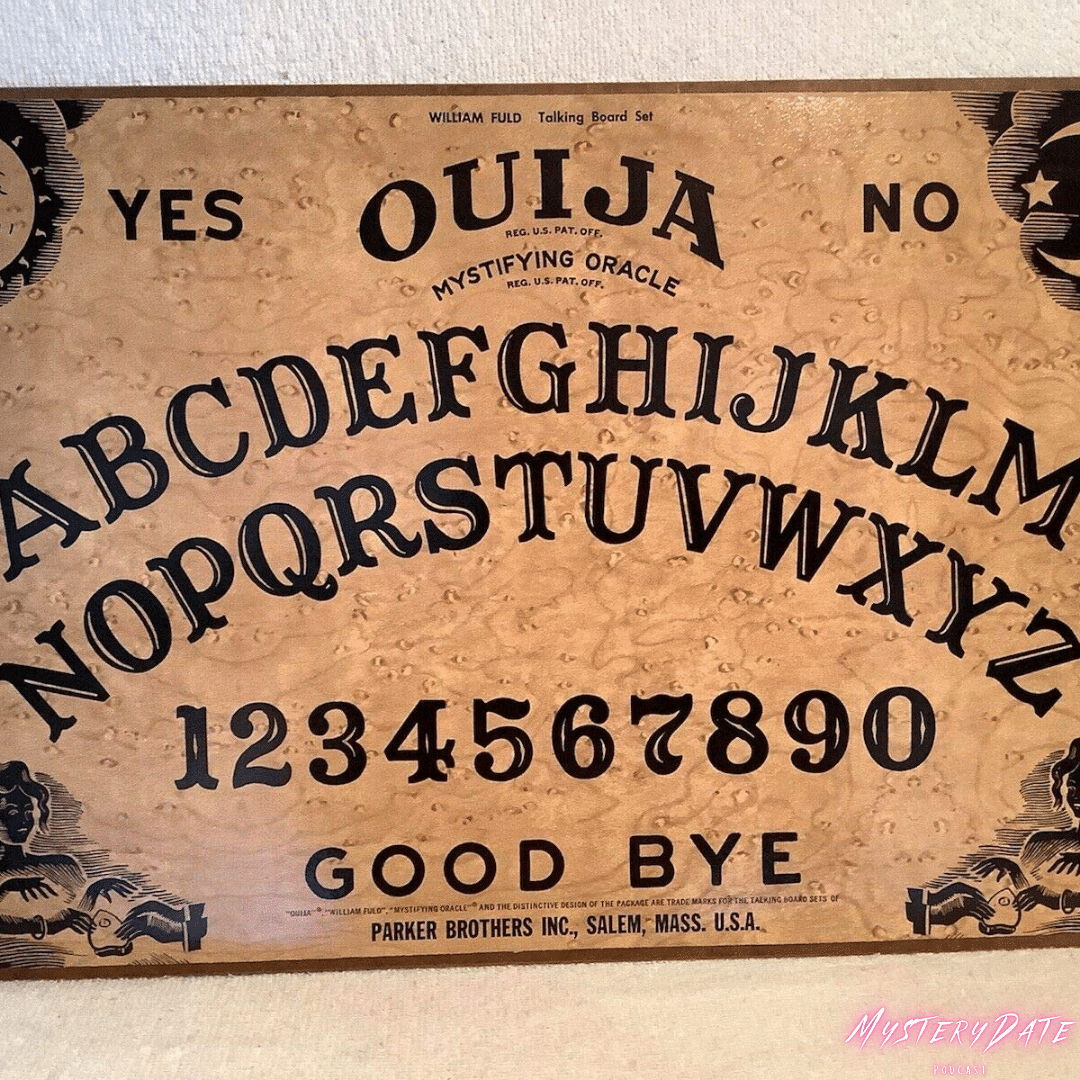
Belief in ghosts naturally led to attempts at communication.
Séances became wildly popular during the 1800s, with people gathering around tables in darkened rooms, hoping to speak with loved ones lost. While many séances were later exposed as fraudulent, others left witnesses shaken and unsure of what they experienced.
The Ouija board, introduced in the late 19th century, transformed spirit communication into a household activity. While science explains its movement through unconscious muscle response, countless users insist the board speaks back.
Modern technology brought Electronic Voice Phenomena, or EVP, recordings and spirit boxes. Static-filled audio recordings that appear to contain voices continue to blur the line between coincidence and communication.
Across every era, the goal has remained the same: to hear a voice in the dark that proves we are not alone.
Why Ghosts Endure
In the end, the lore of ghosts is less about the dead and more about the living.
Ghost stories give shape to grief, guilt, love, and fear. They reflect humanity’s refusal to accept that life simply ends without meaning. Whether ghosts are echoes, memories, psychological projections, or something far more real, they endure because they answer a question we’ve been asking forever.
Is anybody still listening?
Do you believe in ghosts?
If you’ve experienced something unexplained, we want to hear your story. Head over to our website and leave us a message. Your voice might just be heard in a future episode of Mystery Date.
About This Episode
This blog post is adapted from our Season 2 episode of the Mystery Date Podcast — “The Lore of Ghosts”, part of our A Haunting season exploring the strange and mysterious side of the paranormal.
🎧 Listen to the full episode: Mystery Date Podcast
👕 Grab themed merch: Mystery and Co.
📬 Send us your local legends: mysterydatepodcast@gmail.com | (216) 770-4881