
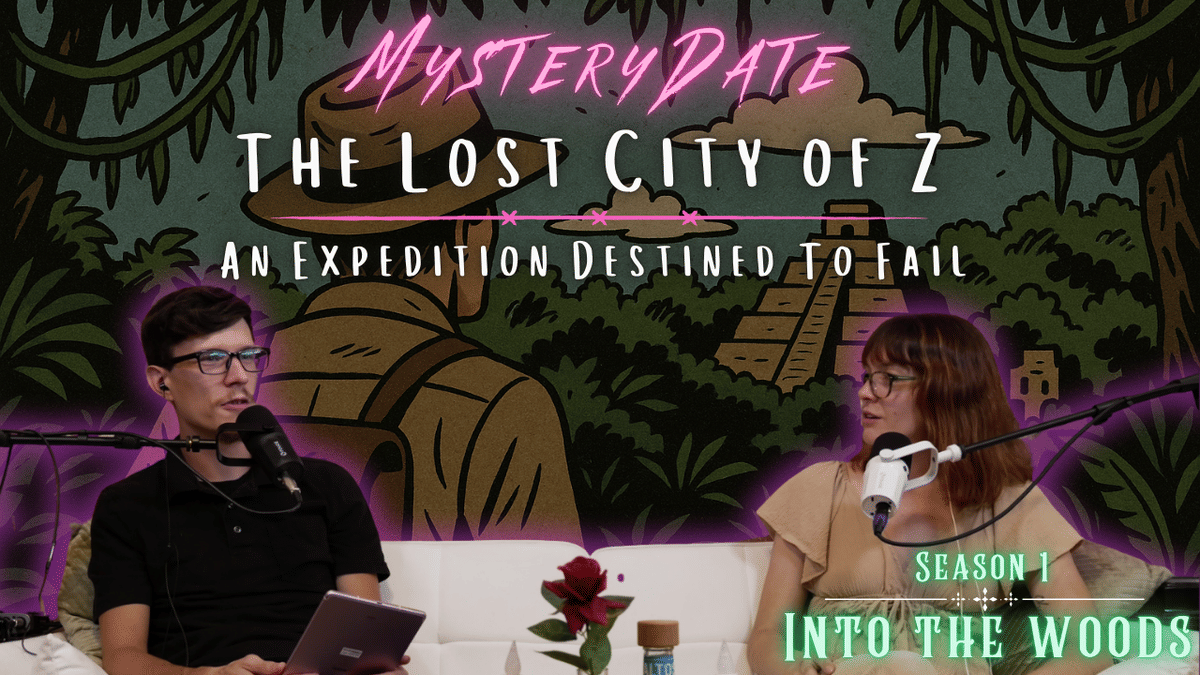
Percy Fawcett and the Lost City of Z: Into the Jungle
Few mysteries blur the line between history and legend quite like the story of Colonel Percy Harrison Fawcett and his search for the fabled Lost City of Z. An explorer, soldier, and dreamer, Fawcett embodied both the romance and the danger of venturing into the world’s last great wilderness: the Amazon rainforest. Nearly a century after his disappearance in 1925, his story continues to captivate historians, adventurers, and mystery-lovers alike.
Setting the Stage: The Man Who Wouldn’t Quit
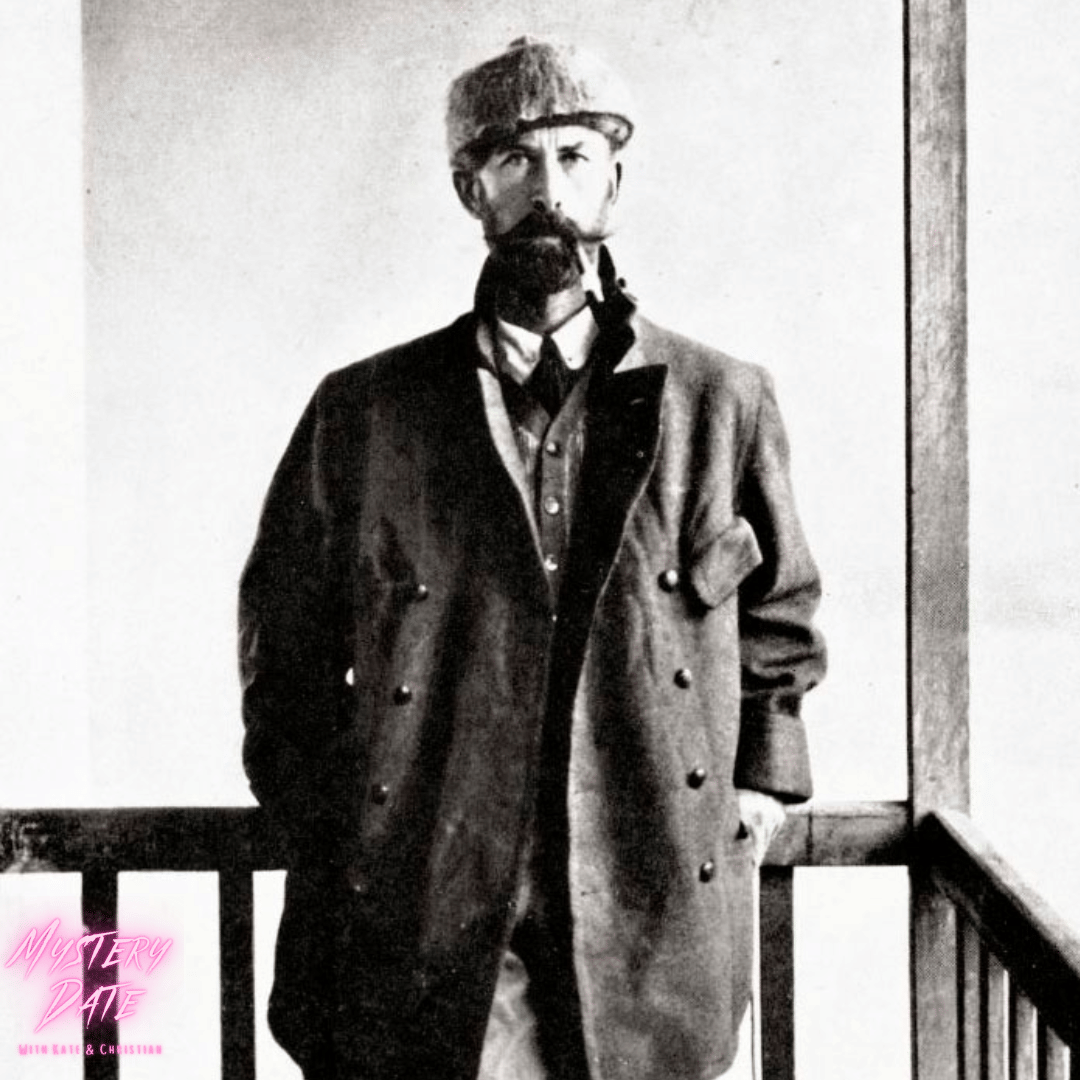
If legendary explorers share two traits, it’s an unshakable sense of purpose… and a questionable relationship with self-preservation. Percy Harrison Fawcett was no exception.
Born in 1867 in Torquay, England, he came from a family steeped in military tradition and exploration. His father was a member of the Royal Geographical Society (RGS), his brother a travel writer, and young Percy grew up on tales of far-off jungles and lost civilizations.
After training as an artillery officer, Fawcett joined the RGS, which in those days was both a map-making authority and a Victorian gentlemen’s adventure club. By 1906, he was dispatched to South America to survey disputed borders between Brazil, Bolivia, and Peru.
The Amazon was treacherous terrain: disease, wildlife, heatstroke, and armed disputes with locals. Yet Fawcett thrived. He became known for his calm under pressure, his rapport with Indigenous peoples, and his uncanny knack for survival. And during these expeditions, he began hearing whispers of something extraordinary: rumors of stone cities hidden in the jungle—remnants of civilizations long vanished.
To Fawcett, these weren’t mere myths. Somewhere out there, he believed, was the greatest discovery of all: a place he would call simply “Z.”
The Spark: Manuscript 512
Fawcett’s obsession with “Z” was fueled by a peculiar document: Manuscript 512, housed in Brazil’s National Library. Written in 1753 by Portuguese explorers, it described in great detail a ruined stone city in the interior of Bahia.
According to the manuscript, the explorers found wide, paved streets, multi-story stone buildings, arches, plazas, even strange inscriptions carved into the walls. They hinted at artifacts of gold and silver, but the location was intentionally vague.
When Fawcett studied the manuscript, it seemed to confirm the Indigenous stories and clues he had already encountered—pottery shards, unusual earthworks, and local traditions describing vast, ancient settlements.
The idea ran counter to the academic consensus of his day. Most scholars believed the Amazon’s poor soil and harsh climate could never have supported complex civilizations. Fawcett disagreed. To him, the jungle wasn’t an untouched wilderness; it was the overgrown graveyard of forgotten societies.
Building the Legend: Early Expeditions
From 1906 to 1913, Fawcett led a series of expeditions for the RGS. His style set him apart: instead of massive, armed parties, he traveled light—just a few companions and Indigenous guides. It kept him nimble, respectful of local communities, and better able to endure the jungle.
These journeys were brutal. Malaria, venomous animals, flooding rivers, hostile terrain—yet Fawcett seemed to relish it all. His reports described not only hardships but also tantalizing evidence of civilizations past: geometric clearings, roads, mounds, and shards of pottery that hinted at complex societies beneath the canopy.
By the outbreak of World War I, Fawcett was both a respected surveyor and a man utterly convinced that “Z” awaited discovery. The war interrupted his expeditions, but not his obsession.
The Final Push: The 1925 Expedition
After the war, Fawcett was determined to make one last attempt. In 1925, he organized a secretive, stripped-down expedition—just himself, his son Jack, and Jack’s friend Raleigh Rimmell. Their route would take them deep into the Mato Grosso, into Xingu territory.
The three men left Cuiabá in April 1925. For weeks, they sent upbeat letters describing their progress. The last, dated May 29, was from a camp Fawcett called “Dead Horse Camp.” He assured his wife: “You need have no fear of any failure.”
It was the last anyone ever heard from them.
Disappearance and the Frenzy That Followed
When silence stretched on, worry turned to panic. By 1927, the Royal Geographical Society declared Fawcett and his party lost. What followed was an international media storm.
Theories flew. Some said they’d been killed by hostile tribes. Others believed they succumbed to disease, starvation, or exhaustion. More sensational stories claimed Fawcett had found “Z” and chosen to stay hidden—or that he’d been captured by a secret jungle society.
Dozens of search parties were launched. Many ended in tragedy. Even professional expeditions failed to find conclusive answers. Bones were discovered in the 1950s and again in later decades, but none matched Fawcett.
The jungle, it seemed, had swallowed him whole.
Indigenous Accounts: The Kalapalo Story
Among the most credible accounts comes from the Kalapalo people of the Xingu. Their oral tradition tells of three foreigners who stayed with them briefly before heading east, ignoring warnings of hostile territory. They were never seen again.
The Kalapalo say it was not their people, but another group further on, who killed the explorers. Whether true or not, their story remains one of the few consistent narratives surrounding Fawcett’s disappearance.
Was “Z” Real?
For decades, academics scoffed at the idea of great civilizations in the Amazon. But modern archaeology is rewriting that narrative.
Discoveries of terra preta (rich, human-made soil), vast geometric earthworks, road systems, and village networks suggest the Amazon was home to complex, interconnected societies long before European contact. In the Upper Xingu region, researchers like Michael Heckenberger have documented planned settlements with plazas, causeways, and defensive moats—supporting thousands of people.
These weren’t stone cities like in Manuscript 512, but they were real, organized civilizations. In some ways, Fawcett was right: the jungle hid more history than scholars of his time could accept.
Legacy and Pop Culture
Fawcett’s mystery has inspired endless retellings. Arthur Conan Doyle drew on Fawcett’s stories for The Lost World. David Grann’s 2009 bestseller The Lost City of Z revived interest in his story, later adapted into a 2016 film.
Today, Fawcett’s legend stands at the crossroads of romance and tragedy—part cautionary tale about obsession, part enduring symbol of human curiosity.
Conclusion: A Mystery Without an Ending
Nearly a century later, we still don’t know what happened to Percy Fawcett. Did he die in the jungle? Was he killed by hostile groups? Did he find something extraordinary and vanish into history?
The Amazon holds its secrets close. But what keeps the story alive is possibility. Fawcett’s search for “Z” reminds us of the fine line between discovery and obsession, and the eternal human urge to push beyond the known.
As long as the jungle has unmapped corners, the mystery of Percy Fawcett and the Lost City of Z will endure.
📚 Want to Learn More?
Grann, David. The Lost City of Z: A Tale of Deadly Obsession in the Amazon. Vintage, 2009.
Fawcett, Percy Harrison. Exploration Fawcett. Edited by Brian Fawcett. Phoenix Press, 1953.
Manuscript 512, Brazilian National Library, Rio de Janeiro.
Heckenberger, Michael J., et al. “Amazonia 1492: Pristine Forest or Cultural Parkland?” Science, 2003.
Dyson, George M. Man Who Found Z. (1928 expedition reports).
BBC History, “The Lost City of Z.”
National Geographic archives on Amazonian archaeology.
🎧 Listen. Share. Repeat.
listen to the full episode now at www.mysterydatepodcast.com/episodes
Thanks for spending time with us on Mystery Date. Be sure to follow us on Instagram, subscribe to the show, and share it with your friends, family, or even your enemies.
Because every good mystery… deserves a date.