
The True Story Behind The Conjuring
In the early 1970s, the Perron family moved into what they believed was their dream home. A sprawling 18th-century farmhouse tucked away in rural Harrisville, Rhode Island. Fourteen rooms. Rolling farmland. A place that felt timeless.
What they didn’t know was that the history of the land had never truly rested.
Within weeks of moving in, the Perrons began experiencing things they couldn’t explain. At first, it was small. Missing household items. Doors opening on their own. Cold drafts that seemed to follow them from room to room. But before long, the activity escalated into something darker, more aggressive, and deeply personal.
This is the story that would eventually inspire The Conjuring. But behind the Hollywood spectacle lies a far more complicated and unsettling tale.
A House With a History
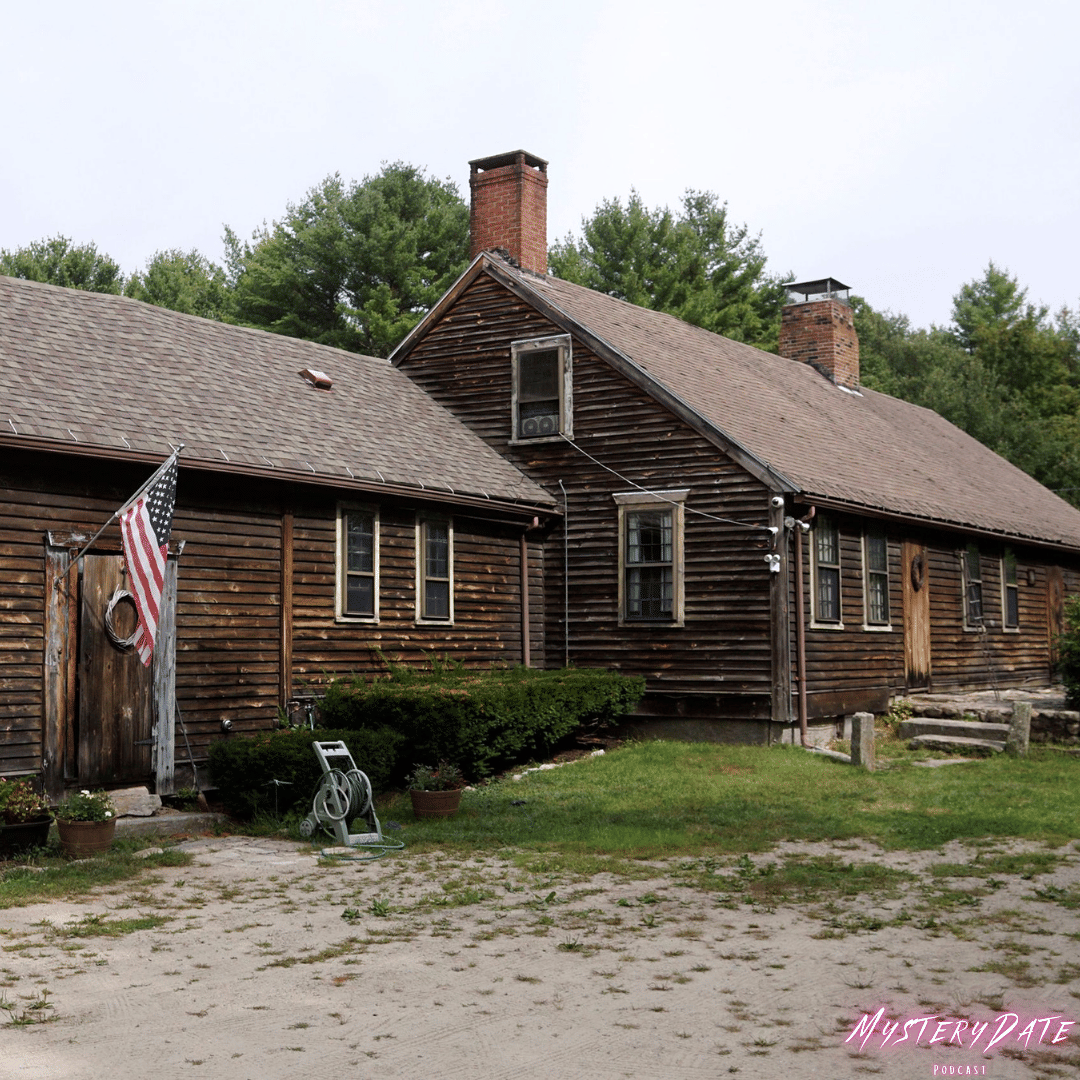
The farmhouse, commonly referred to as the Arnold Estate, was widely believed to have been built in 1736. Over centuries, multiple families lived and died on the property. Local folklore spoke of drownings in nearby waters, suicides within the home, and violent deaths tied to the land itself.
Whether every story was true hardly mattered. Tragedy had become part of the house’s identity.
From the moment Roger and Carolyn Perron moved in with their five daughters in January of 1971, the house felt wrong. Carolyn, in particular, sensed something watching her. Waiting.
When the Haunting Turned Personal
The disturbances inside the farmhouse were anything but subtle.
Beds shook violently at exactly 5:15 every morning. Cold spots formed in specific rooms. Odors of rotting flesh or sweet flowers filled empty spaces with no logical source. Voices whispered the girls’ names from dark hallways. Shadows moved where no one stood.
Some spirits, the family believed, were harmless. One daughter claimed a ghost tucked her into bed at night. Toys vanished and reappeared. Hair was tugged playfully.
But one presence stood apart.
Carolyn Perron felt targeted by something cruel and possessive. She described sharp pains like needles piercing her skin and occasionally discovered blood on her body with no visible wounds. At night, she claimed to see a grotesque figure looming over her bed, its head twisted at impossible angles.
Andrea Perron, the eldest daughter, later described the entity as one that believed itself to be the true mistress of the house and resented Carolyn’s presence.
Bathsheba: Witch, Woman, or Scapegoat?
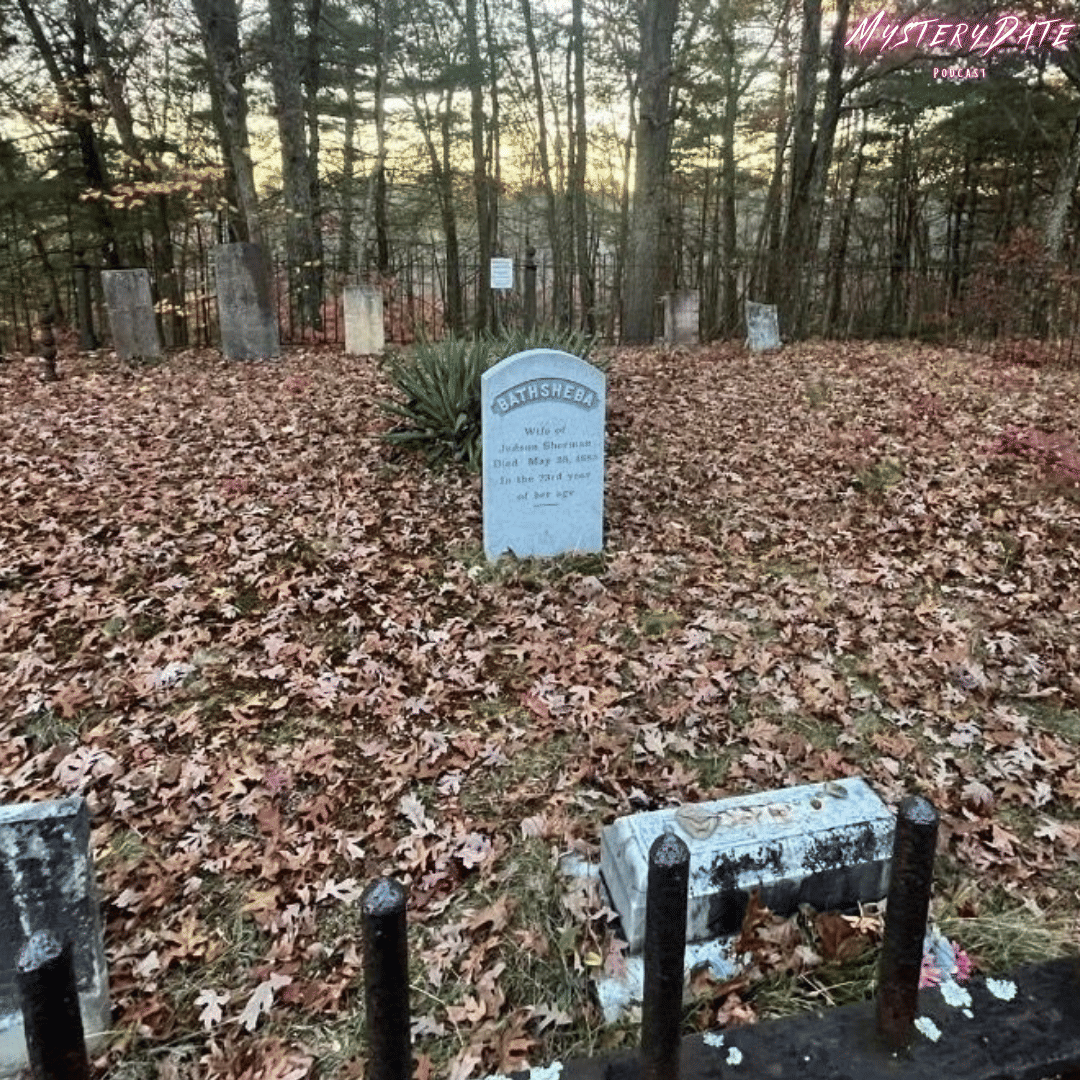
Eventually, the family learned the name that would become synonymous with the haunting: Bathsheba Sherman.
Local legend painted Bathsheba as a witch who had sacrificed an infant to the devil and cursed the land before dying. The Perrons became convinced that this was the spirit tormenting them, particularly Carolyn.
But history tells a quieter story.
Bathsheba Thayer Sherman lived in the 1800s, raised a family, and died of a stroke in 1885. She was never tried for witchcraft. There is no historical evidence she murdered a child. She was buried in the town cemetery like countless others of her time.
The disconnect between folklore and fact raises an uncomfortable question. If Bathsheba wasn’t the source of the haunting, then who was? Or was she simply a convenient name attached to fear?
The Warrens Enter the Farmhouse
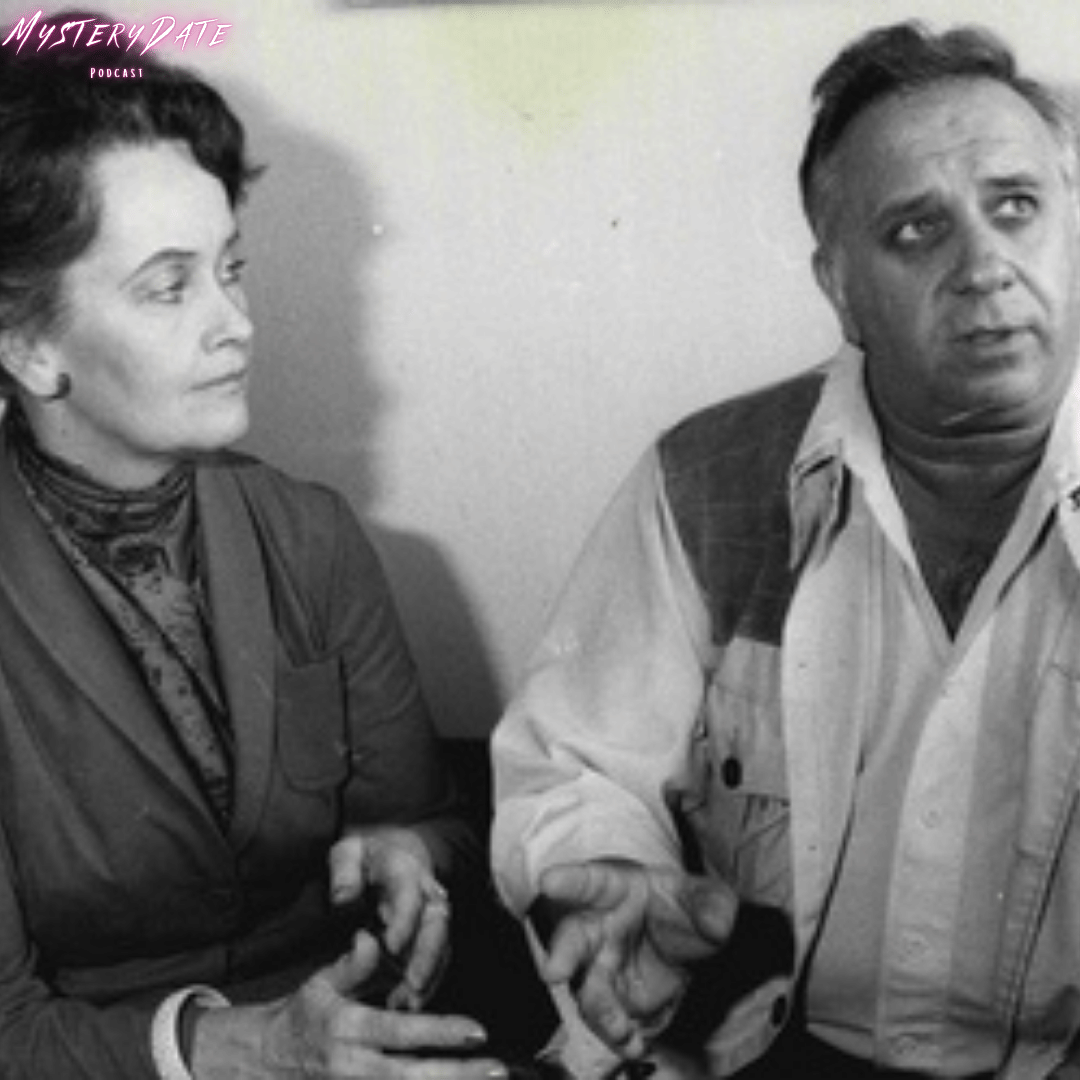
By the mid-1970s, Carolyn Perron was desperate. The activity hadn’t stopped. If anything, it had grown worse. That’s when she turned to Ed and Lorraine Warren.
The Warrens were already well known in paranormal circles. Ed, a self-taught demonologist, believed evil entities could attach themselves to people and places. Lorraine claimed to be clairvoyant, sensitive to spirits invisible to others.
When they first entered the Perron farmhouse, Lorraine reportedly froze. She later described the house as “swarming with spirits.” Most, she said, were harmless. But one presence radiated hatred, focused squarely on Carolyn.
To the Perrons, this was terrifying validation. They weren’t imagining it. Something was truly wrong.
The Séance That Changed Everything
Believing the entity had to be confronted, the Warrens proposed a séance. What followed became the most controversial moment of the entire case.
During the séance, Carolyn’s body reportedly stiffened. Her head snapped back. Her voice changed. Witnesses claimed she spoke in an unknown language and levitated briefly before being violently thrown across the room. Her daughters screamed. Investigators panicked. Roger Perron believed his wife had been killed.
When Carolyn regained consciousness, she remembered none of it. Furious and shaken, Roger demanded the Warrens leave immediately. To him, the séance wasn’t spiritual intervention. It was reckless and dangerous.
The Warrens never returned.
Leaving the House, Leaving the Haunting
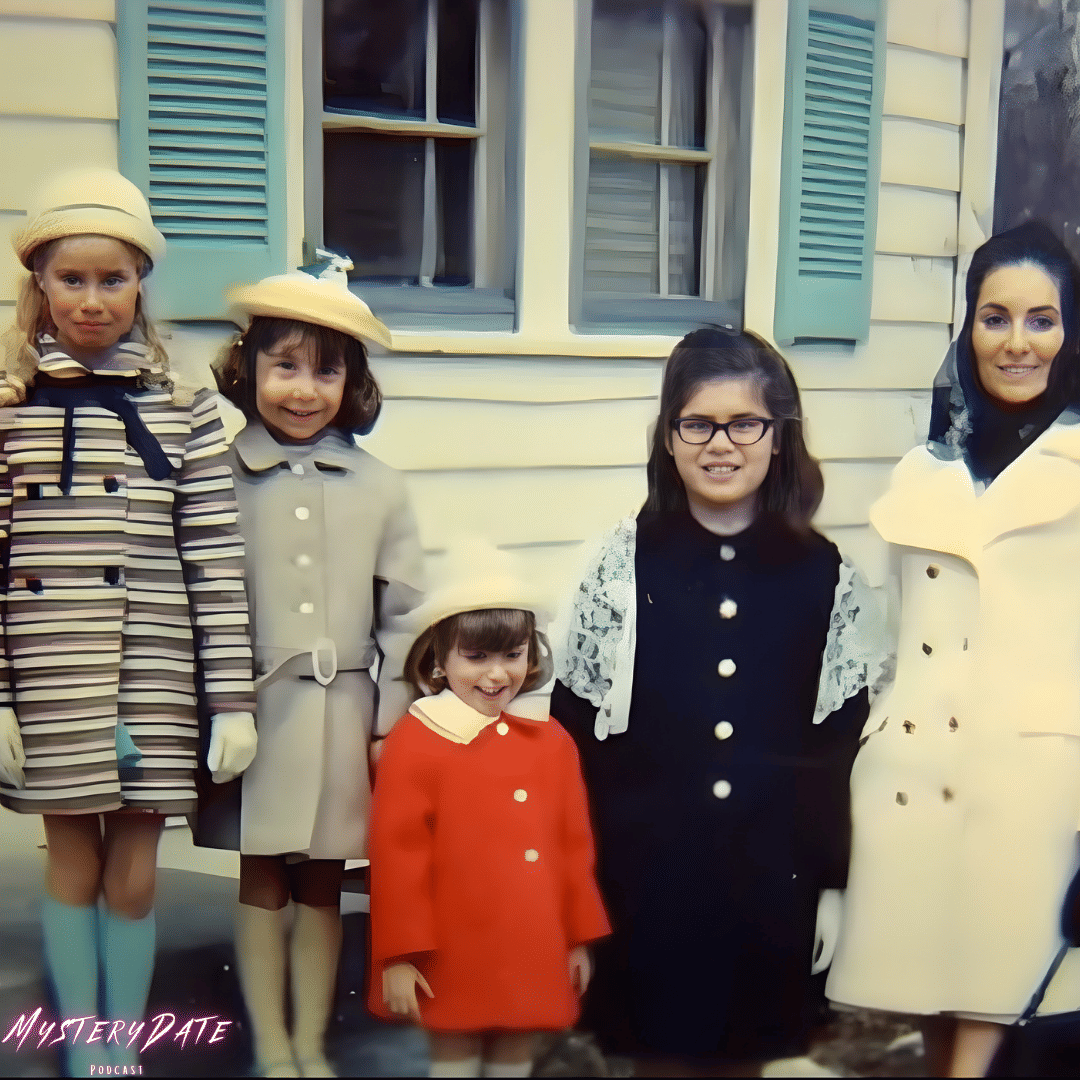
Despite everything, the Perrons continued living in the farmhouse for years. Strange events persisted, but nothing matched the intensity of the séance. In 1980, the family finally moved away and just like that, the haunting seemed to stop.
The darkness, whatever it was, stayed behind.
Skepticism, Memory, and Myth
Years later, Andrea Perron would publish her trilogy House of Darkness, House of Light, chronicling her family’s experiences. The books became the foundation for The Conjuring, though Andrea herself has stated the film represents only a fraction of what truly happened.
Skeptics point out important inconsistencies. There is no physical evidence. No recordings. No photographs. Families who lived in the house before and after the Perrons reported no extreme activity. Bathsheba Sherman’s reputation collapses under historical scrutiny.
Critics of the Warrens argue their methods blurred the line between faith, fear, and performance. Psychologists suggest suggestion, stress, and living in an ancient, creaking farmhouse may have fueled a feedback loop of belief and terror.
And yet, the story refuses to die.
So What Really Haunted the Perrons?
Maybe the house was haunted. Maybe something dark fed on fear and focused its attention on a vulnerable family. Or maybe the true haunting was something deeply human. The stories we tell ourselves in the dark. The weight of history. The power of belief once it takes hold.
The Perrons left the farmhouse decades ago, but the legend remains. The house still stands. Investigators still visit. Skeptics still debate and the question still lingers
Was the ghost in the house…or in the telling?
About This Episode
This blog post is adapted from our Season 2 episode of the Mystery Date Podcast — “The Perron Family Haunting”, part of our A Haunting season exploring the strange and mysterious side of the paranormal.
🎧 Listen to the full episode: Mystery Date Podcast
👕 Grab themed merch: Mystery and Co.
📬 Send us your local legends: mysterydatepodcast@gmail.com | (216) 770-4881