
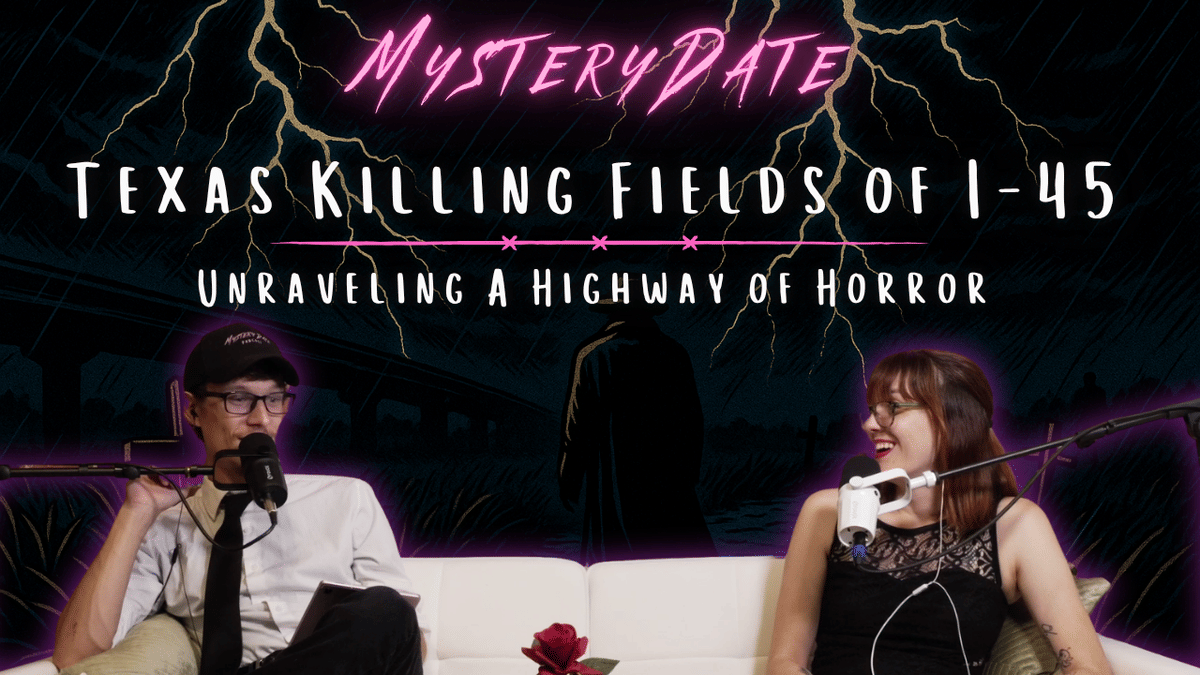
A Highway with a Terrifying Reputation
There’s a lonely stretch of Interstate 45 between Houston and Galveston that holds one of the darkest secrets in American crime history. It’s been called the Highway to Hell, and for good reason. Since the 1970s, this corridor has been the dumping ground for over 30 murder victims—mostly young women and girls. Their cases remain largely unsolved.
Locals call this cursed region the Texas Killing Fields, and tonight, we're diving deep into the haunting legacy of one of America's most chilling mysteries.
Where the Nightmare Began
It started like many true crime stories do: with missing girls.
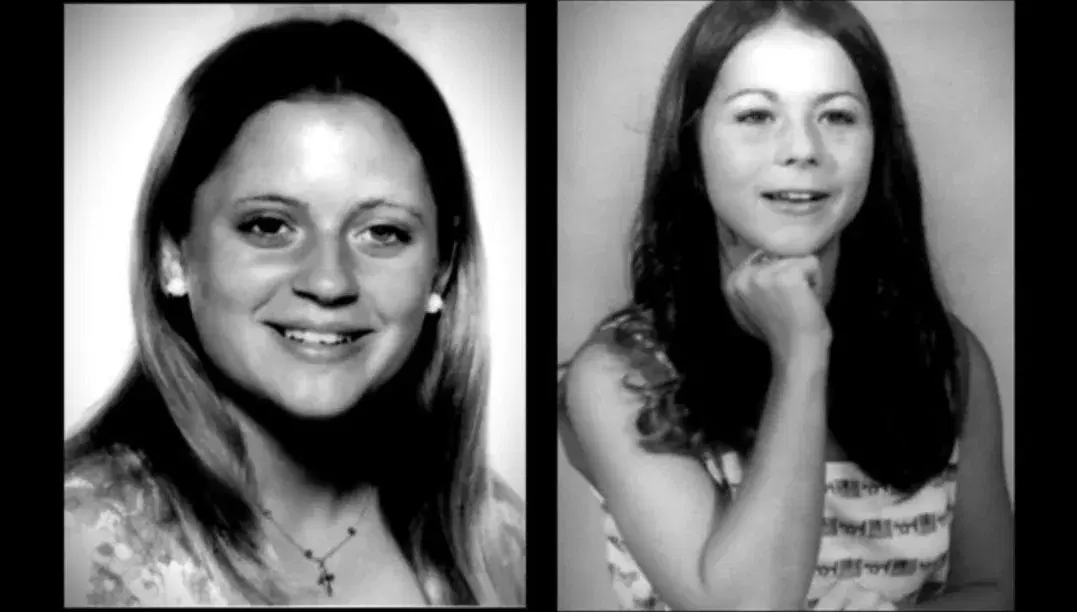
In August 1971, best friends Rhonda Renee Johnson (14) and Sharon Shaw (13) went for a walk along the beach in Galveston. They never came back. Their remains were found months later, scattered across a marshy bayou—bones, skulls, fragments of innocence.
That same year, Debbie Ackerman and Maria Johnson (both 15) were seen hitchhiking. A white van pulled over. The girls got in. Days later, their bodies were found bound, shot, and floating in Turner’s Bayou.
Then came Colette Wilson (13), Kimberly Pitchford (16), Gloria Gonzales (19), and many others. The pattern was unmistakable: young girls disappearing near I-45, their bodies turning up in swamps, oil fields, or ditches—if they turned up at all.
Graffiti on an I-45 overpass eerily summed up the era:
“You are now entering the cruel world.”
The Killing Fields: Calder Road’s Secrets
The killings slowed in the late ‘70s, but the horror didn’t end.
In 1984, a dog dragged home a human skull in League City. It belonged to Heidi Fye, a 25-year-old waitress last seen at a payphone.
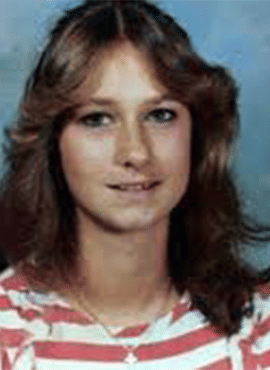
In 1986, Laura Miller (16)—missing for over a year—was found just a few feet away.
Then, in 1991, two more women were discovered in the same field: unidentified victims known for decades as Jane and Janet Doe. Their skeletal remains lay just beyond where gas station lights could still be seen.
This field, now infamous as the Calder Road Killing Field, had been used repeatedly to hide victims in plain sight. Four women. Four crosses. And zero arrests.
Families Fighting for Answers
No voice has echoed louder in this story than Tim Miller, Laura’s father.
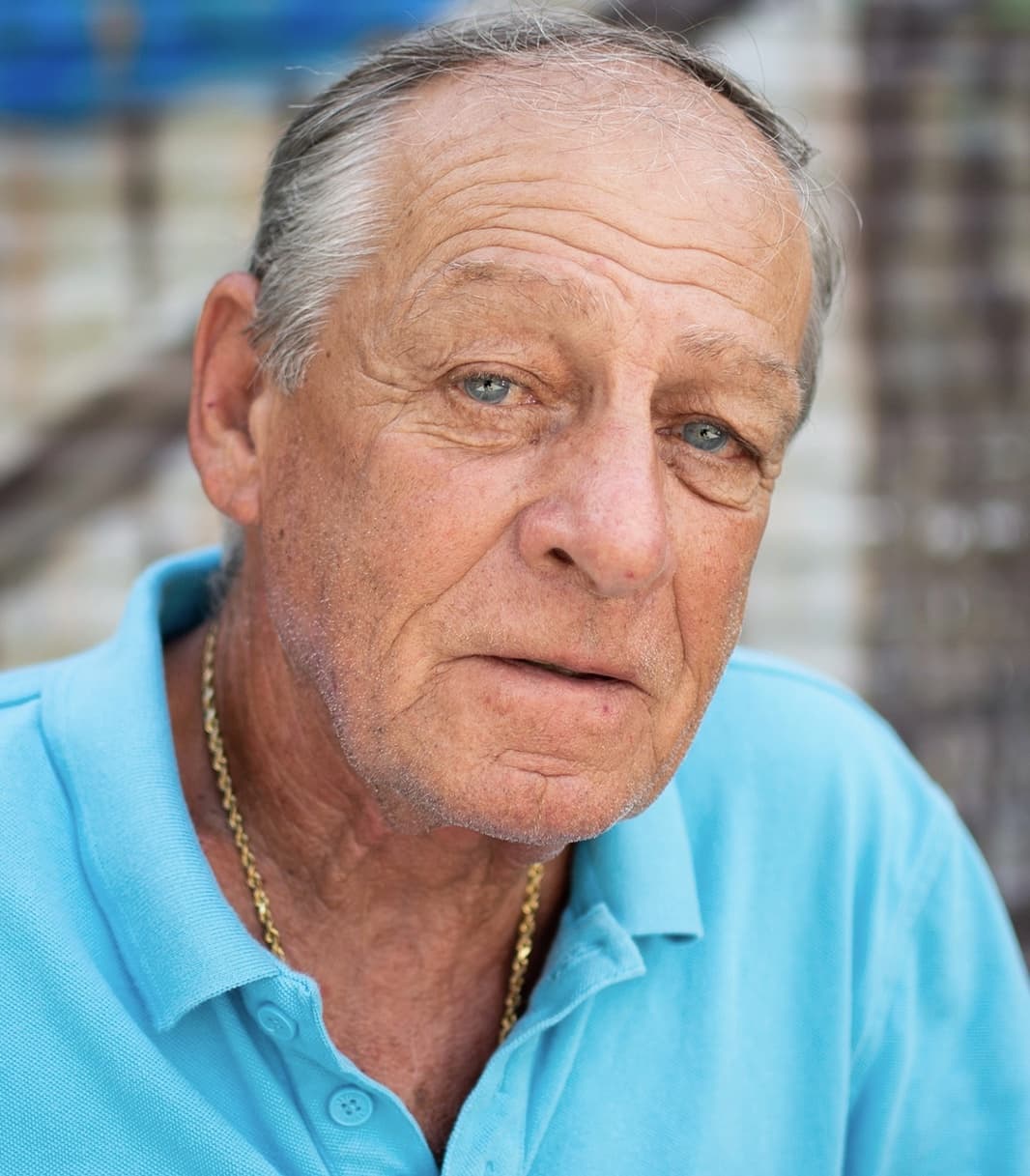
After law enforcement dismissed Laura’s disappearance as a runaway case, Tim insisted her body was in that field—just like Heidi’s. Police ignored him.
Two years later, he was proven right.
Tim went on to create Texas EquuSearch, a nonprofit that has helped locate over 400 missing people. But Laura’s case remains his personal crusade. He still visits the field. Still pushes for answers. Still believes justice hasn’t been served.
Suspects, Confessions, and Frustrations
Over the years, several suspects have surfaced. Some with ties to the murders. Some who may have been scapegoats.
1. Michael Lloyd Self
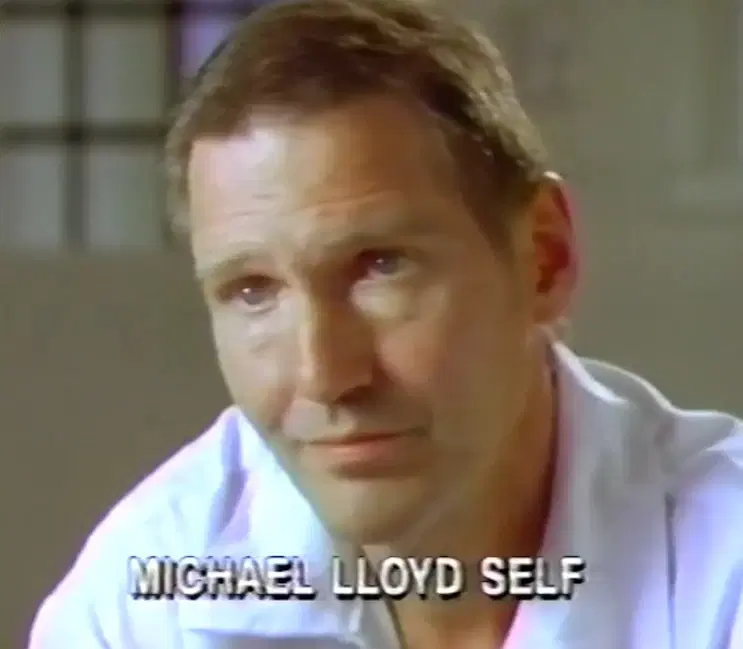
Convicted for the murders of Rhonda and Sharon in 1971, but his confession was riddled with errors. Many believe he was coerced. He died in prison in 2000, still claiming innocence.
2. Edward Harold Bell
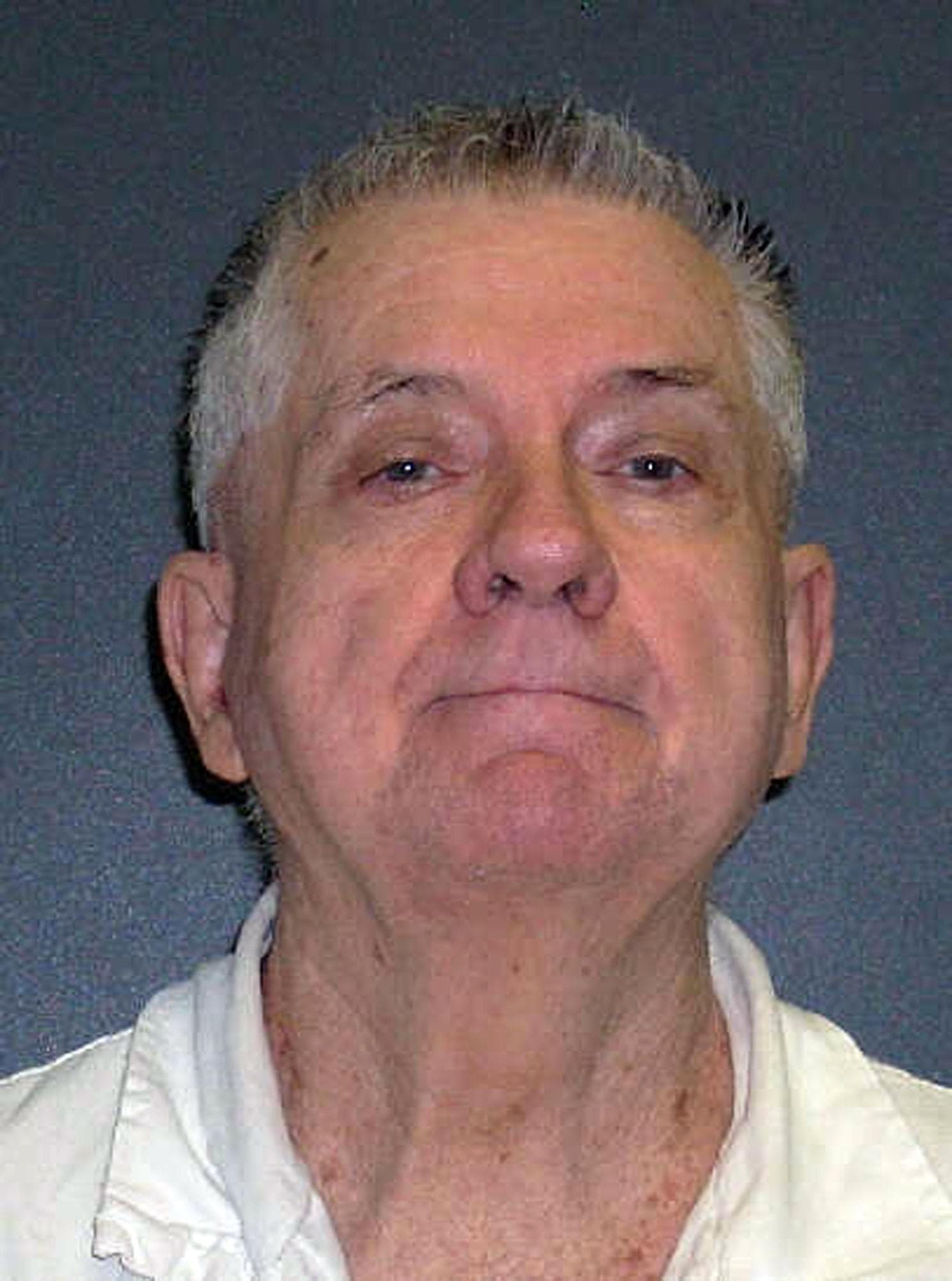
A drifter, convicted killer, and known sex offender. While in prison, he confessed to the “Eleven Who Went to Heaven”—a string of killings along the Gulf. He gave names, wrote letters, and shared chilling details. But there was no physical evidence.
3. Robert Abel
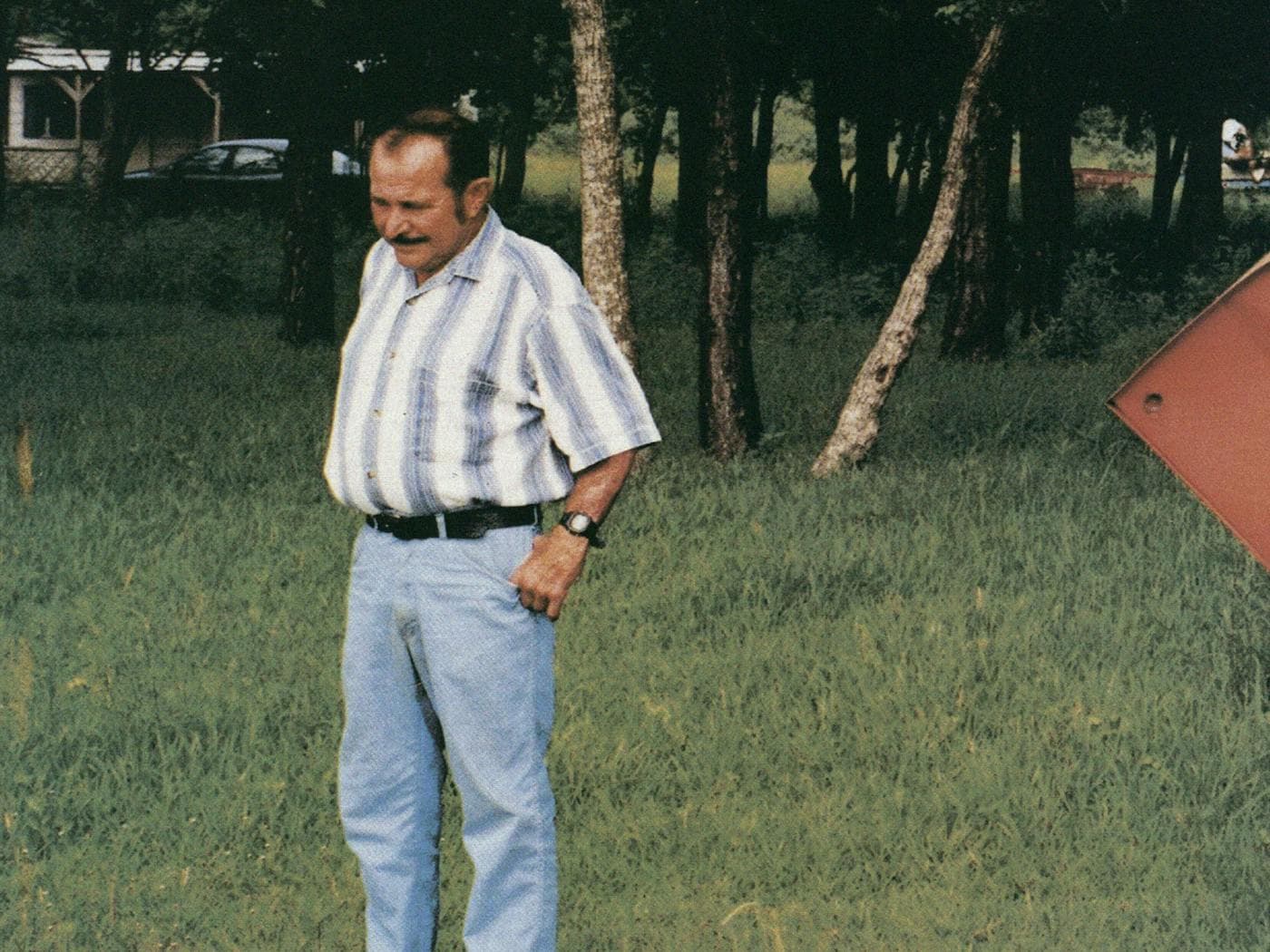
A former NASA engineer who owned the horse ranch next to the Calder Road field. Suspected by Tim Miller, but no charges were ever filed. He passed away in 2005 under mysterious circumstances.
4. Clyde Hedrick
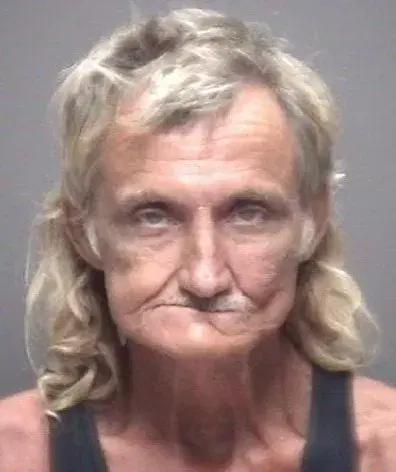
Perhaps the most persistent suspect. Convicted in 1996 for the death of Ellen Beason. Tim Miller believes Hedrick killed Laura. In 2022, a civil court awarded Tim $24 million, finding Hedrick responsible for Laura’s death—though never criminally convicted.
A Pattern Without a Face
It’s likely that multiple serial killers operated in this area across the decades. The victim profiles shifted. The methods changed. And the long gaps between murders suggest different predators using the same haunting terrain.
The I-45 corridor’s remote fields, oil tanks, and marshes provided cover—and opportunity.
Even with advances in technology, the area remained a hunter’s playground for too long.
DNA, Genealogy, and New Breakthroughs
Hope arrived decades later thanks to DNA and forensic genealogy.
In 2010, DNA from 13-year-old Krystal Jean Baker (murdered in 1996) led to the arrest and conviction of Kevin Edison Smith, a Louisiana trucker.
In 2016, William Reece confessed to killing Laura Smither, Jessica Cain, and Kelli Cox after being arrested for unrelated charges. He was convicted in 2022.
In 2019, Calder Road’s Jane and Janet Does were finally identified as:
Audrey Lee Cook, a Houston mechanic.
Donna Prudhomme, a mother from Louisiana.
Their killers? Still unknown.
The Killing Fields in Media
The story has inspired multiple documentaries, news segments, and one major motion picture:
Netflix's 2022 docuseries Crime Scene: The Texas Killing Fields reignited public interest and brought renewed tips to law enforcement.
2011’s “Texas Killing Fields” dramatized parts of the story, though it was loosely fictionalized.
Countless articles from outlets like CBS, Texas Monthly, People Magazine, and The Washington Post continue to report on developments and community efforts.
A Field Transformed
Perhaps the most symbolic moment in this decades-long saga came when League City decided to reclaim the field.
The once-forgotten dumping ground is now being developed into a 106-acre memorial park, with permanent markers for:
Heidi Fye
Laura Miller
Audrey Cook
Donna Prudhomme
Where there were once only ghosts, there will now be memory, reverence, and community.
Theories & Lingering Questions
So what really happened in the Texas Killing Fields?
Was it one killer? Multiple? Locals? Truckers? Did they act alone—or know each other?
Some theories suggest a network of predators. Others blame poor policing, missing connections, or Texas’s vast and lonely terrain.
The only certainty is that many cases remain unsolved.
The Legacy of the Families
Through all the darkness, one light has never gone out—the families.
People like Tim Miller refused to let their loved ones be forgotten. They fought for attention, resources, and progress. They built nonprofits, gave interviews, and turned their grief into action.
If anything is to be remembered from the Killing Fields, it’s this:
In the face of unimaginable evil, ordinary people became warriors for justice.
Still an Open Case
Many of these murders are still being actively investigated. The FBI and local law enforcement continue to pursue leads.
If you know anything, or have any tips related to the cases, contact your local authorities or the FBI. Someone out there knows something. And that someone could bring closure to a family that has waited long enough.
🎤 Date Night Debrief
Before we go, let’s lighten the mood a little…
Question of the week:
“What’s your go-to drunk food?”
Let us know on social media, leave us a voice message on our website www.mysterydatepodcast.com or email us at mysterydatepodcast@gmail.com — subject line: Date Night Debrief
📚 Want to Learn More?
Check out these great sources:
Netflix: Crime Scene: The Texas Killing Fields (2022)
Kathryn Casey: Deliver Us (True Crime Book)
Texas Monthly: In-depth reporting
CBS 48 Hours: “The Killing Fields” episode
The Charley Project: Victim profiles
🎧 Listen. Share. Repeat.
listen to the full episode now at www.mysterydatepodcast.com/episodes
Thanks for spending time with us on Mystery Date. Be sure to follow us on Instagram, subscribe to the show, and share it with your friends, family, or even your shady ex from Texas.
Because every good mystery… deserves a date.