

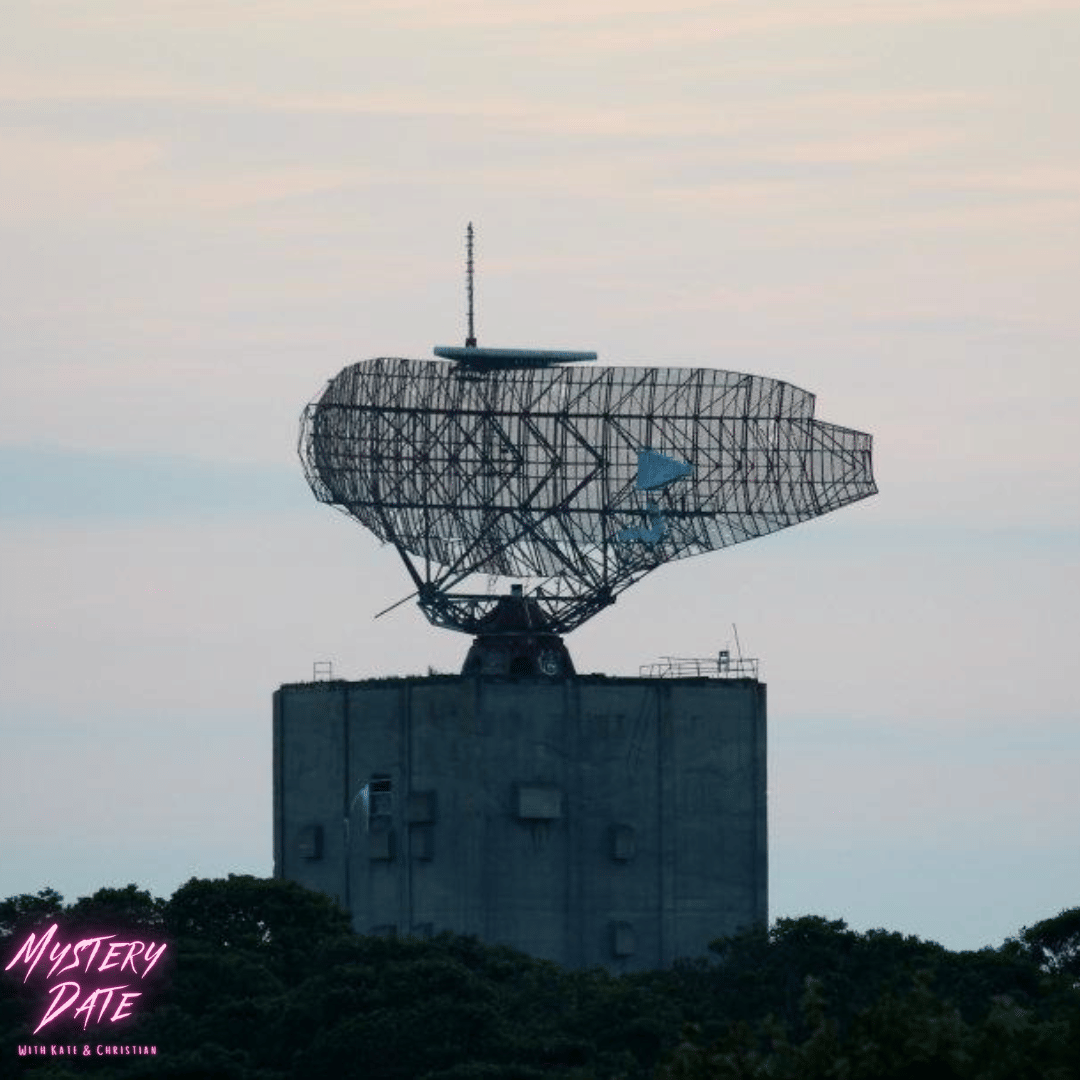
At the far tip of Long Island sits a rusting radar tower. Surrounded by dense woods, twisted fencing, and Cold War concrete, it looms above what was once a military installation known as Camp Hero. Today, it's a state park. But if you ask the right conspiracy theorist, they'll tell you it was something much more sinister: the epicenter of time travel, psychic warfare, and a government program so dark it makes MKUltra look like summer camp. This is the story of the Montauk Project.
The Story as Told by Believers
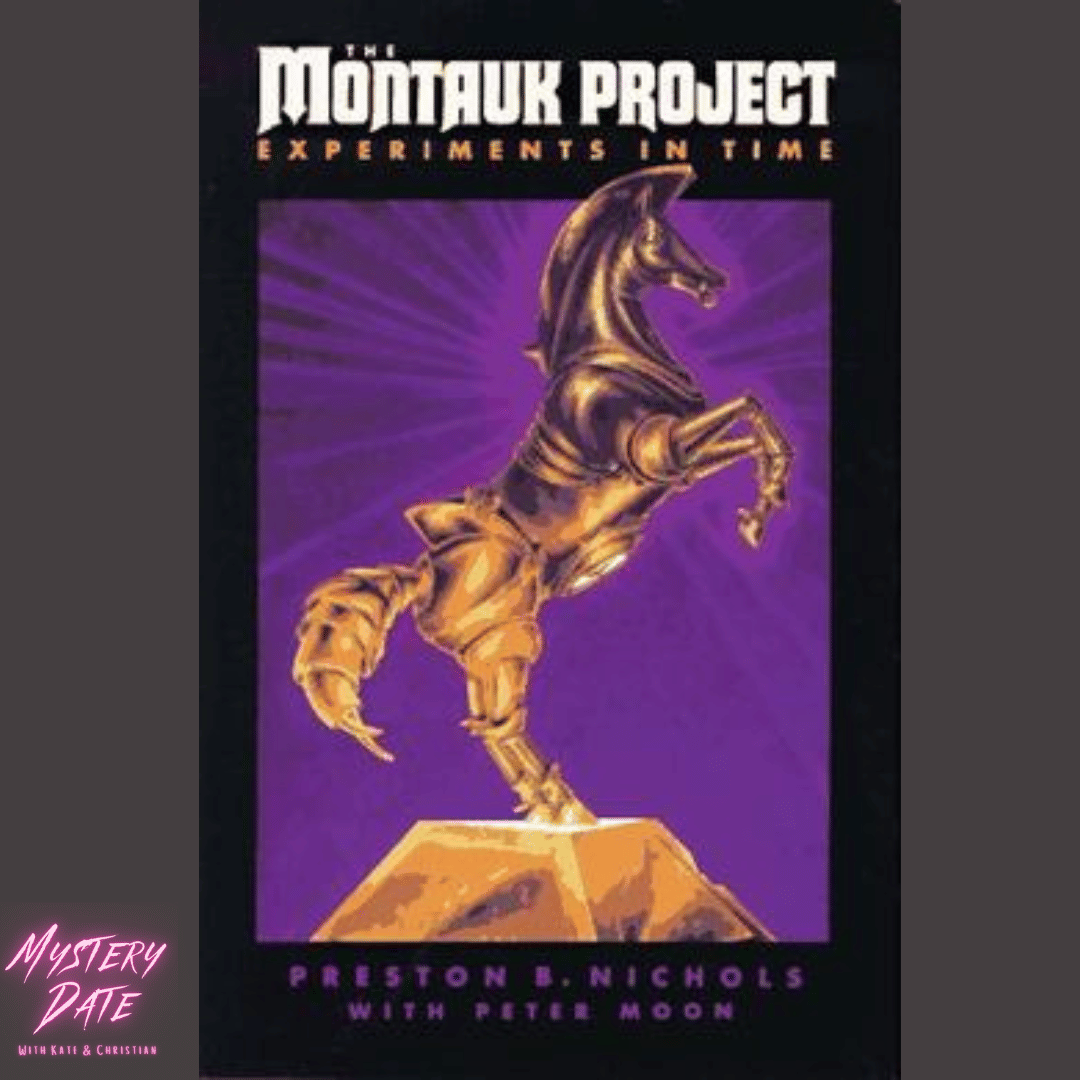
According to Preston Nichols, a self-proclaimed electrical engineer and the co-author of "The Montauk Project: Experiments in Time," the U.S. government conducted secret experiments beneath Camp Hero from the late 1970s into the 1980s. Nichols claimed he recovered repressed memories revealing his own involvement in the experiments and that others had begun to recall similar events.
The Montauk Project, they say, was a continuation of the infamous Philadelphia Experiment of 1943, in which the Navy allegedly rendered the USS Eldridge invisible (and possibly teleported it). That project, according to Nichols and his co-conspirator Duncan Cameron, opened a rift in space-time. The Montauk researchers picked up where the Navy left off.
Under the radar tower, the story goes, scientists built a chair similar to one used in remote viewing experiments. The "Montauk Chair," as it came to be known, was allegedly able to amplify psychic abilities. Duncan Cameron, allegedly the star subject, could project thoughts into reality, open portals through time, and summon entities from other dimensions.
What kind of entities, you ask? One story claims that in 1983, Cameron conjured a terrifying creature from his subconscious. A monster. It destroyed equipment and sent scientists scrambling. They supposedly shut everything down and buried the evidence. Literally.
Also involved in these experiments were kidnapped children—"the Montauk Boys"—taken off the street and subjected to mind control, psychic programming, and worse. Most of them, according to the legend, never came back.
What Really Happened: A Deep Dive into the Facts
Let’s be clear: there is no hard evidence that the Montauk Project ever existed.
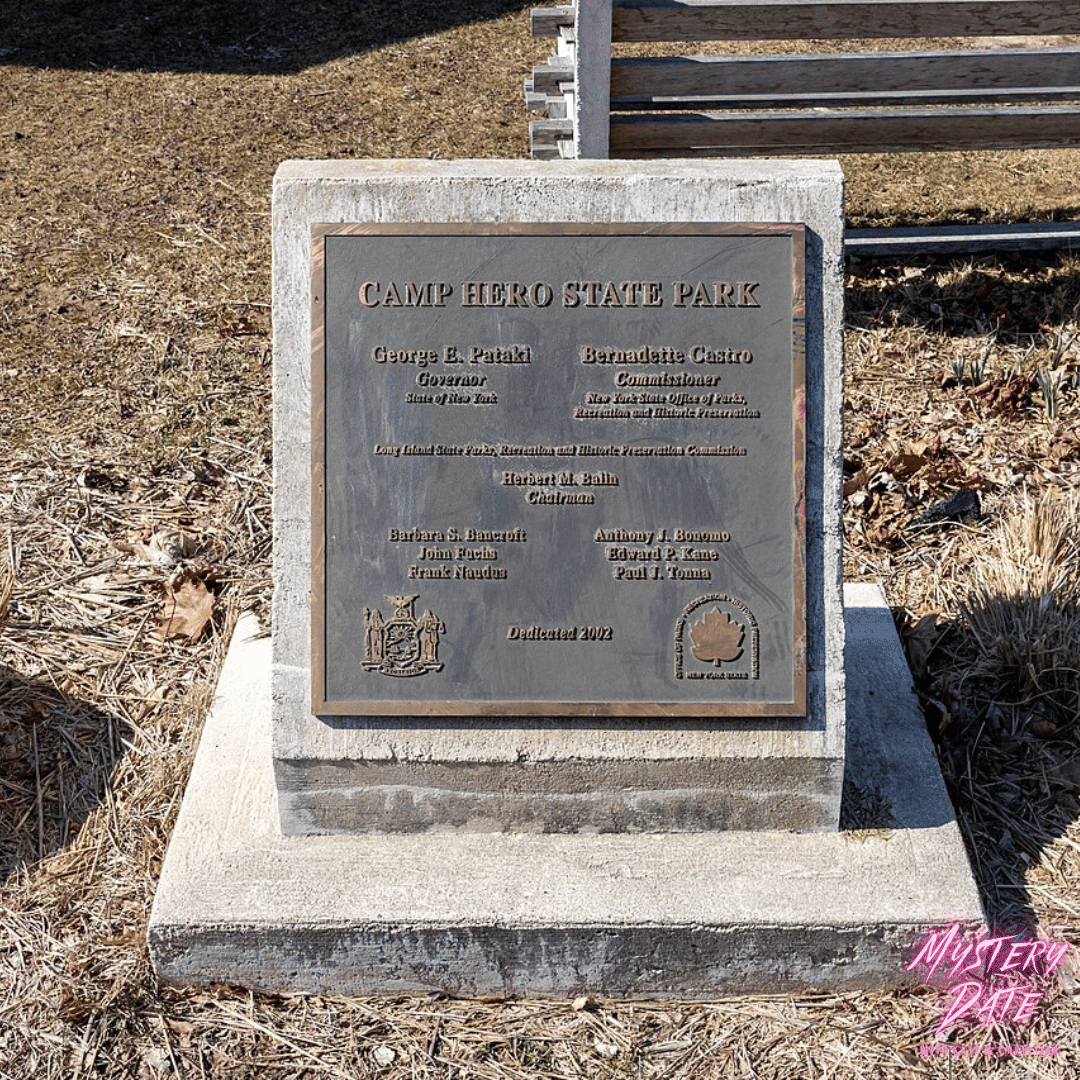
Camp Hero was, in fact, a military base. Built in the 1940s, it housed a radar installation and coastal defense guns meant to protect New York from a naval invasion during WWII. It remained active into the early Cold War but was decommissioned in the 1980s and later turned into a state park.
The radar tower—a striking structure known as an AN/FPS-35—still stands and contributes heavily to the site’s eerie reputation. But there’s no official record of any secret underground labs. No missing children. No destroyed records. Just old bunkers, graffiti, and a very enthusiastic community of conspiracy theorists.
Preston Nichols, the man behind most of the Montauk mythology, offered no verifiable credentials and no proof to support his claims. The co-author of his books, Peter Moon, was a pseudonym used by a writer interested in alternative science and fringe history. The entire narrative hinges on supposed recovered memories and unverifiable anecdotes.
The U.S. government has never acknowledged any program resembling the Montauk Project, and Freedom of Information Act (FOIA) requests related to Camp Hero have turned up nothing unusual. All documentation supports that the base was used for radar surveillance and later abandoned.
However, believers often cite the vagueness of military records as evidence of a cover-up. Which, let’s be honest, is the lifeblood of any good conspiracy.
The Philadelphia Experiment Connection
The Montauk story is deeply intertwined with another infamous legend: the Philadelphia Experiment.
In 1943, the U.S. Navy allegedly attempted to make the USS Eldridge invisible to radar at the Philadelphia Naval Shipyard. Some versions claim the ship teleported to Norfolk, Virginia. Others suggest crew members fused into the metal hull. The story originated from Carl Allen (aka Carlos Allende), who sent a series of strange letters to UFO researcher Morris K. Jessup.
The Navy has denied the experiment ever took place. Records show the USS Eldridge was never in Philadelphia on the dates claimed. But the tale took on a life of its own, especially after Jessup’s mysterious death in 1959.
According to Nichols, the Montauk Project was Phase II of the Philadelphia Experiment—the continuation of temporal experimentation using a supposed time-link between August 12, 1943, and August 12, 1983. The story claims Duncan Cameron was aboard the Eldridge in 1943, jumped through a time portal, and ended up in Montauk in 1983.
It’s a science fiction plot. Because it is science fiction. But it also became the foundation for a much more modern cultural phenomenon.
Stranger Things and the Montauk Legacy
When the Duffer Brothers were first pitching their 1980s-set sci-fi series to Netflix, it wasn’t called Stranger Things. It was called Montauk.
The original script placed the story in Long Island, used Camp Hero as a location, and explicitly referenced secret government experiments on children, portals to other dimensions, and a shadowy organization trying to cover it all up. The similarities to Nichols’ claims are no coincidence.
In Worlds Turned Upside Down, the official Stranger Things companion book, the Duffer Brothers admit they were heavily inspired by the Montauk Project when developing the story of Eleven, the Hawkins Lab, and the Upside Down.
They had to change the setting for logistical reasons (filming in Long Island was too expensive), but the DNA of the show is unmistakable. Psychic kids? Shadow monsters? Government labs buried in the woods? It’s Montauk, just with a better soundtrack.
What If It Was Real?
Let’s play devil’s advocate. Could something like the Montauk Project have actually happened?
The U.S. government has experimented with mind control. MKUltra, a real CIA project, conducted illegal research on unwitting American and Canadian citizens, using LSD and other methods to attempt to control behavior. That much is declassified fact.
We also know the government has a long history of testing tech and psychological tools under the radar. From Project Stargate (remote viewing) to DARPA’s modern research into neural interfaces and brainwave manipulation, there’s no shortage of fringe experiments being carried out.
Could the Montauk Project be an exaggeration of something real? Possibly. Could it be a complete fabrication rooted in Cold War anxiety and science fiction? Also possible.
But one thing is certain: conspiracy theories fill in the gaps where trust and transparency fail. And Montauk fits perfectly into a pattern of American paranoia.
Modern Myth or Buried Truth?
Whether it happened or not, the Montauk Project lives on. In podcasts, documentaries, Reddit threads, and TikToks, it resurfaces again and again as a "what if" story that refuses to die.
Camp Hero still attracts curiosity seekers. The radar tower remains a towering symbol of forgotten secrets. And the legend continues to evolve, now connected to theories about the GATE program, Project Monarch, and even CERN.
Maybe that’s the real power of Montauk—not in whether it’s true, but in how it blurs the line between what is and what might be.
Sources & Further Reading
Nichols, Preston B. & Moon, Peter. The Montauk Project: Experiments in Time (Sky Books, 1992)
The foundational text that originated the Montauk conspiracy theory.
Wikipedia: Montauk Project
Overview of the theory, origins, and cultural legacy.
Wikipedia: Philadelphia Experiment
Background on the alleged Navy experiment that inspired the Montauk story.
U.S. National Archives: The Truth About Project MKUltra
Government documentation of real mind control experiments carried out by the CIA.
Vice: Camp Hero: Exploring the Abandoned Military Base That Inspired 'Stranger Things'
https://www.vice.com/en/article/vbvv93/camp-hero-montauk-project-conspiracy-theory
Covers the physical location and how the site fuels conspiracy lore.
Popular Mechanics: Inside the Real Government Conspiracies That Inspired ‘Stranger Things’
https://www.popularmechanics.com/culture/tv/a20949/stranger-things-government-conspiracies/
Analyzes real historical projects that influenced the Duffer Brothers.
Netflix Companion Book: Stranger Things: Worlds Turned Upside Down
Quotes and notes from the Duffer Brothers about their Montauk inspiration.
Redacted FOIA Records (CIA/MKUltra) — Available via The Black Vault
https://www.theblackvault.com/documentarchive/cia-mkultra-collection/
Hundreds of pages of real declassified government mind control research.
🎧 Listen to the full episode now at www.mysterydatepodcast.com
📌 And don’t forget to follow us on socials for behind-the-scenes content, upcoming episode drops, and bonus date night ideas.