
A Battlefield Without Treasure
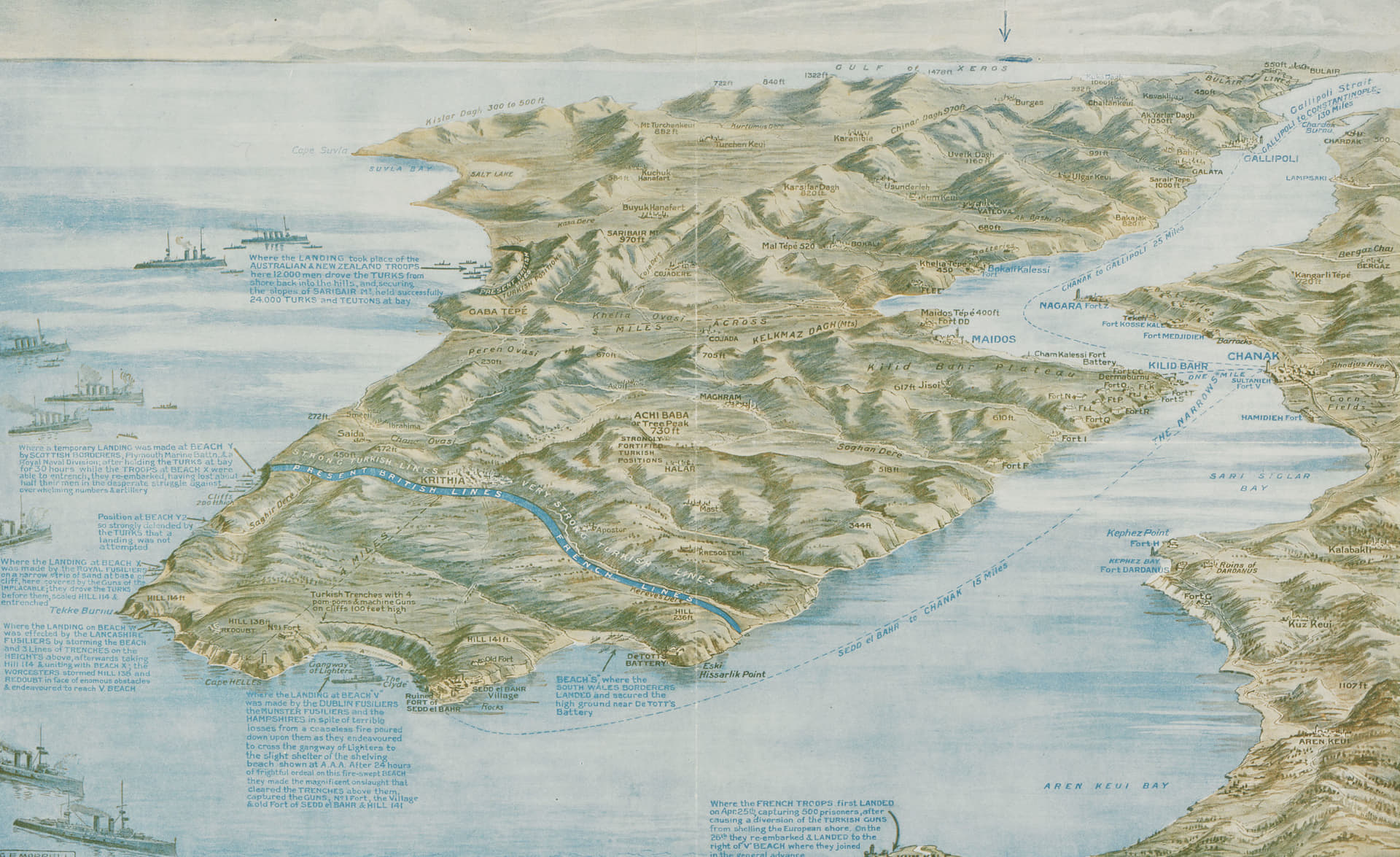
Off the blistering beaches of Gallipoli, there was no buried gold, no ancient relics—just heat, thirst, and the relentless rattle of rifle fire. Yet on one sweltering afternoon, August 12th, 1915, something else disappeared entirely: more than 250 British soldiers from the Norfolk Regiment.
Many of them were gardeners, gamekeepers, and grooms from King George V’s own royal estate at Sandringham. They marched into a haze of dust and smoke, pushing toward the Ottoman lines… and never returned.
Rumors swirled quickly back home. Had the Norfolk lads vanished into a strange cloud? Were they captured, massacred, or somehow spirited away? A dispatch from General Ian Hamilton deepened the intrigue, declaring that sixteen officers and 250 men had “vanished into the forest” and were lost to sight and sound.
Families waited. Newspapers speculated. The King himself demanded answers.
What unfolded wasn’t just another casualty list in the First World War. It became one of history’s strangest battlefield mysteries.
The Call to Arms
When the First World War broke out in August 1914, the call to service echoed across Britain’s cities, villages, and royal estates. Among the eager volunteers were men of the Norfolk Regiment, many hailing from the county of Norfolk and, most famously, from the royal Sandringham estate. They were gardeners, clerks, gamekeepers—ordinary men drawn from the King’s personal staff.
The Sandringham Company, part of the 5th Battalion Norfolk Regiment, quickly became a symbol of loyalty and patriotic service. For many, the war seemed like a noble adventure. The common belief was that it would be over by Christmas. Spoiler: it wouldn’t be. And for over 250 of these men, their journey would end in a disappearance that baffled generations.
Gallipoli: The Campaign from Hell
By 1915, the Western Front in Europe had bogged down into a stalemate. The British high command, searching for a breakthrough, turned their eyes toward the Dardanelles and the Gallipoli Peninsula. The plan was to seize the peninsula, march on to Istanbul, and force the Ottoman Empire out of the war.
In theory, it was bold. In practice, it was chaos.
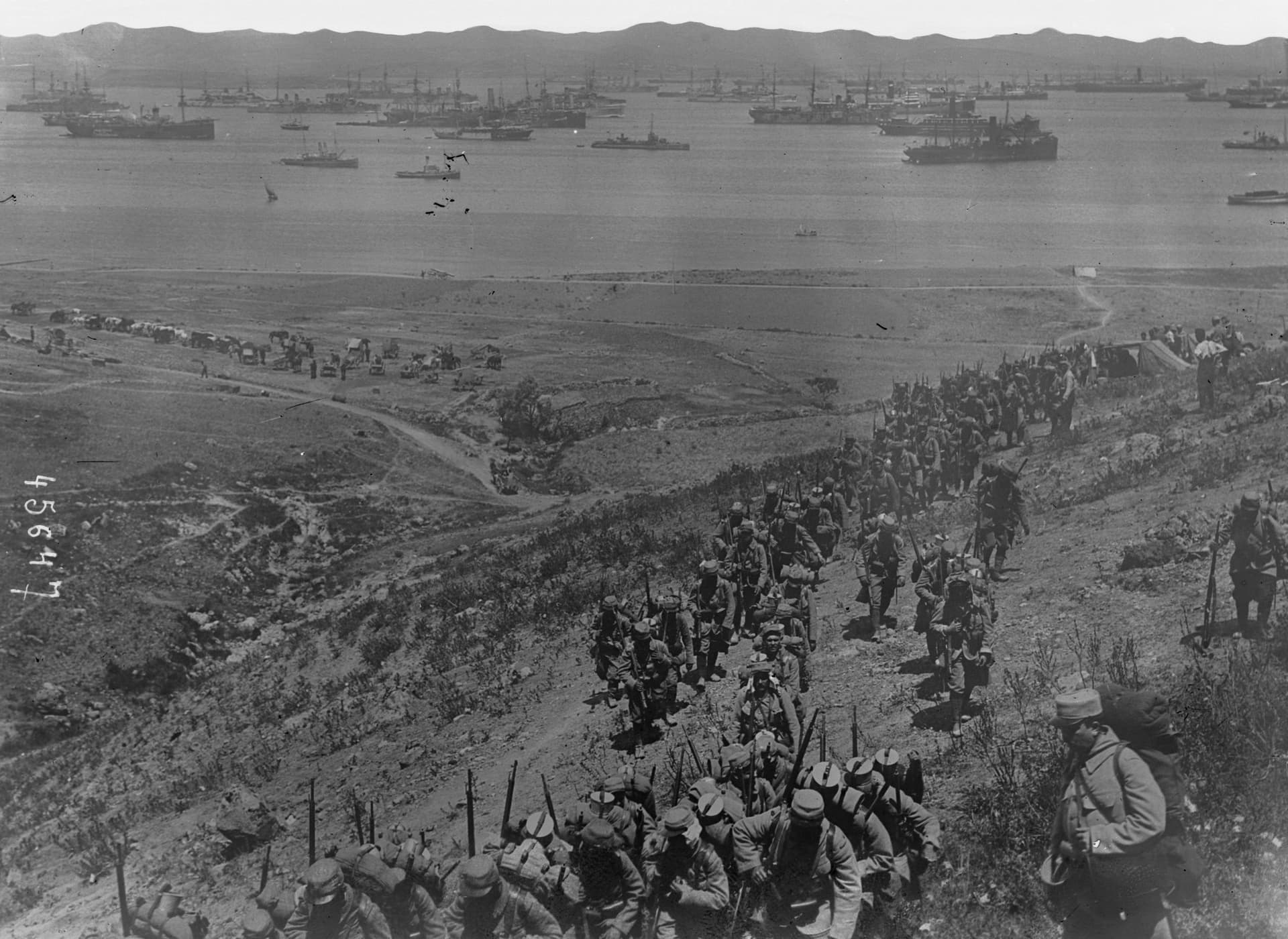
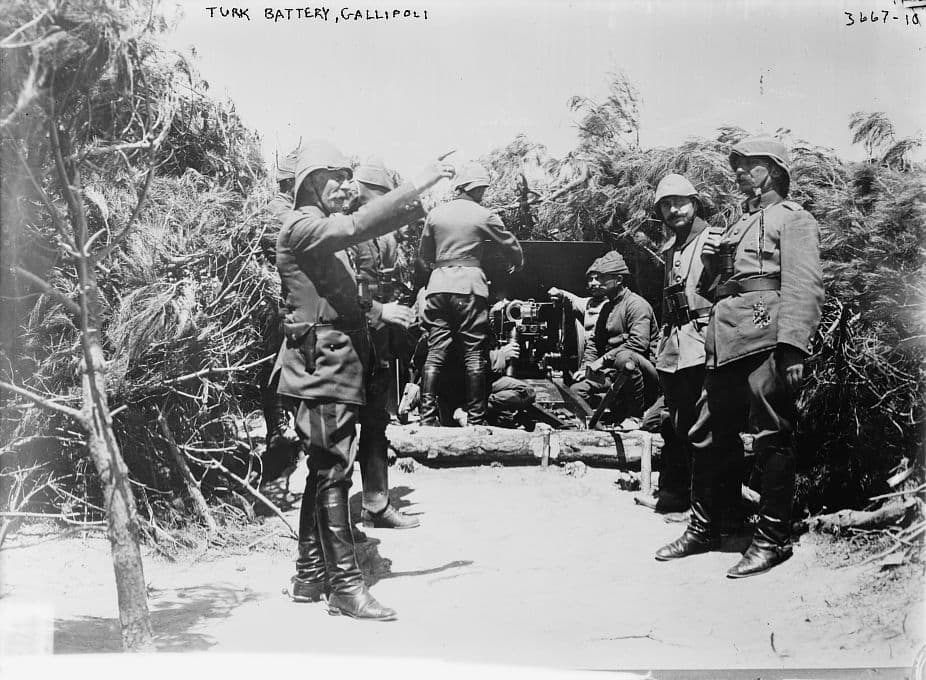
The landings at Gallipoli in April 1915 were plagued by poor planning, underestimation of the Ottomans, and logistical nightmares. Thousands of poorly trained troops were thrown into battle under brutal conditions: searing heat, disease, scarce water, and enemy fire from well-entrenched positions.
By August, the Allies were desperate for progress. That’s when the 5th Norfolks arrived.
The Sandringham Company
Unlike many regular units, the 5th Battalion was largely made up of volunteers. They lacked extensive combat training but carried with them the Edwardian ideals of honor, empire, and loyalty to the crown. Led by Captain Frank Beck—the royal estate’s land agent and a respected figure in Norfolk—they were viewed as both soldiers and symbols.
Their deployment to Gallipoli wasn’t just a military maneuver; it was a public relations moment. Imagine the King’s own staff fighting shoulder to shoulder with farmers and clerks—proof that all of Britain was united in the cause.
But Gallipoli was nothing like home. The manicured lawns of Sandringham were replaced by scrub-covered slopes and dust-choked ravines. The enemy wasn’t just the Ottomans—it was the terrain, the heat, the flies, and the crippling inefficiency of the British chain of command.
August 12, 1915: Into the Unknown
The day of the disappearance began with heat and dust so thick it blurred the horizon. The 5th Battalion, part of the 163rd Brigade, was ordered to advance across the Anafarta Plain in a push to break Ottoman defenses.
Their commander, Lt. Col. Sir Horace Proctor-Beauchamp, was given vague instructions: “Push forward. Engage the enemy. Clear the woods.” No detailed objectives, no precise coordinates, and no coordinated artillery support.
At 4 p.m., the Norfolks advanced in extended line formation toward a thin patch of woodland. Other Allied units reported seeing them engage small groups of retreating Ottoman troops. But then, something happened.
Whether they missed an order to halt or pressed forward on their own, the battalion moved beyond their operational boundary. Witnesses saw them enter the trees… and then nothing. No return fire, no wounded straggling back, no sound of continued battle. Just silence.
By nightfall, not a single man from the advance had returned. Of the 267 who had gone forward, every one was missing.
Four Years Later: A Grim Discovery
When the war ended in 1918, the search for the missing intensified. The Imperial War Graves Commission sent teams to recover and identify the dead. In 1919, near the village of Anafarta, they found a mass grave roughly 800 yards from the Norfolks’ last known position.
Inside were the remains of 180 men, some still with rusted rifles at their sides. Among them was Lt. Col. Beauchamp, confirming that this was indeed the Sandringham Company.
But the discovery raised new questions:
Why was the grave so far from where the battalion was last seen?
Where were the other 80+ missing men?
Why did Ottoman records make no mention of such a burial?
The grave appeared hastily dug, without markers or ceremony—unusual for the Ottomans, who were known for meticulous record-keeping.
Theories: What Really Happened?
1. Killed in Action – Lost in the Ravine
The official version says the battalion advanced too far, got cut off, and was wiped out in a Turkish ambush. This is supported by the discovery of their bodies and weapons. But the location discrepancy and lack of Ottoman records make this explanation shaky.
2. Executed by the Ottomans
Some believe the men were captured alive and executed as retribution—possibly for Britain’s use of colonial troops. No records or forensic evidence confirm this, but the possibility of a British cover-up lingers.
3. Friendly Fire
Gallipoli was notorious for miscommunication and errant artillery fire. Could the 5th Norfolks have been mistaken for enemy troops and shelled by their own side? It would explain the silence from both British and Ottoman sources.
4. The Paranormal Cloud
In 1965, a letter to Flying Saucer Review claimed that New Zealand engineers saw the Norfolks march into a strange, low-lying cloud, vanish, and never emerge. The cloud then lifted and drifted away. The story has since become a favorite among UFO and time-slip enthusiasts—though there’s no solid evidence it happened.
5. Administrative Chaos
Some historians argue there’s no mystery at all—just the result of bad maps, poor reporting, and confusion. In this version, the men were killed in scattered fighting, and their disappearance was simply bureaucratic error.
A Royal Loss
Because so many of the missing were royal employees, the loss struck deeply at the monarchy. King George V reportedly grieved the loss of “his” men, and Queen Alexandra was particularly affected, having corresponded with several before their deployment.
Their absence wasn’t just a military statistic—it was personal.
Why the Mystery Endures
More than a century later, the disappearance of the 5th Battalion still captures imaginations. It’s a rare blend of military history, unsolved mystery, and human tragedy. Theories range from the plausible to the fantastical, but none answer every question.
How can hundreds of men vanish almost without a trace in the middle of a modern war? Until that question is answered, the story of the Sandringham Company will remain one of Gallipoli’s—and Britain’s—most haunting wartime enigmas.
search for Oak Island’s treasure is less about treasure and more about the thrill of the hunt – the idea that there are still places where secrets lie beneath our feet, waiting for those brave or foolish enough to dig. In a world of Google Maps and satellite imaging, the thought that a centuries‑old puzzle remains unsolved is intoxicating.
Conclusion
And that’s the story of the 5th Battalion’s vanishing act — a tale wrapped in battlefield chaos, royal grief, and just enough unanswered questions to keep the conspiracy fires burning for over a century.
Were they victims of poor leadership and worse maps? Cut down by the enemy… or their own side? Or did they really march into that strange, floating cloud and step straight out of history?
We may never know. But that’s the thing about a good mystery: it doesn’t need a tidy ending to keep us coming back. All it needs is that lingering “what if?”
After all… every good mystery deserves a date.
📚 Want to Learn More?
Imperial War Museum (IWM)
Repository of WWI diaries, battle reports, and personal letters from the Gallipoli campaign.
UK National Archives
War Office files on the Gallipoli campaign and regimental losses.
Commonwealth War Graves Commission
Burial and recovery reports, including identification of Lt. Col. Beauchamp.
“Gallipoli” by Alan Moorehead
HarperCollins, 1956 (and reprints).
One of the definitive accounts of the Gallipoli campaign, covering the 5th Norfolks and broader strategic failures.
“All the King’s Men” by Nigel McCrery
Published in conjunction with the 1999 BBC film.
Historical research on the Sandringham Company and the mystery surrounding their disappearance.
BBC History Archives
Articles detailing Gallipoli, British troop losses, and battlefield recoveries.
Gallipoli Association
Dedicated to preserving history of the Gallipoli campaign; includes accounts of the 5th Norfolk Regiment and postwar recovery efforts.
Flying Saucer Review, Vol. 11, No. 5 (1965)
“The Vanishing Soldiers of Gallipoli”
Letter from alleged New Zealand engineers describing the infamous “mysterious cloud” theory. While widely regarded as unverified or apocryphal, it remains part of the lore.
Fortean Times & UFO Archives
Contextual reporting on the broader paranormal fascination with the incident, especially post-1960s.
🎧 Listen. Share. Repeat.
listen to the full episode now at www.mysterydatepodcast.com/episodes
Thanks for spending time with us on Mystery Date. Be sure to follow us on Instagram, subscribe to the show, and share it with your friends, family, or even your enemies.
Because every good mystery… deserves a date.