Welcome to Mystery Date. In Season 1, we’re heading into the woods—but not just the literal kind. This time, we’re pushing through jungle myths, golden lies, and conquistador fever dreams in our search for one of the most seductive mysteries in history: El Dorado.
This week’s episode dives into a legend that has dazzled, deluded, and destroyed for over 500 years. Was El Dorado a city of gold? A kingdom? A real place? Or just a very shiny metaphor?
The Spark of a Legend
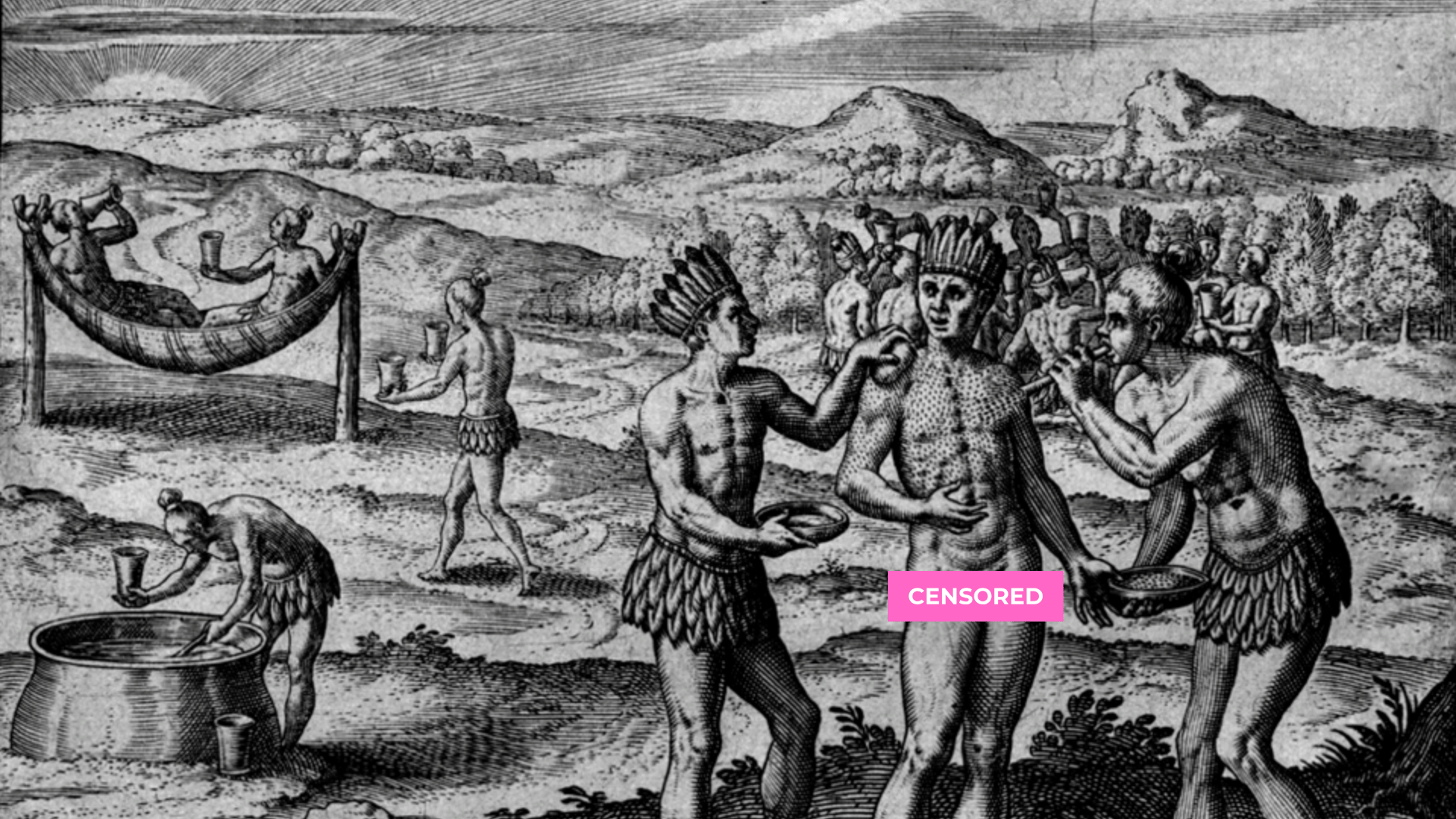
It didn’t start with a city. It started with a man. A Naked Man.
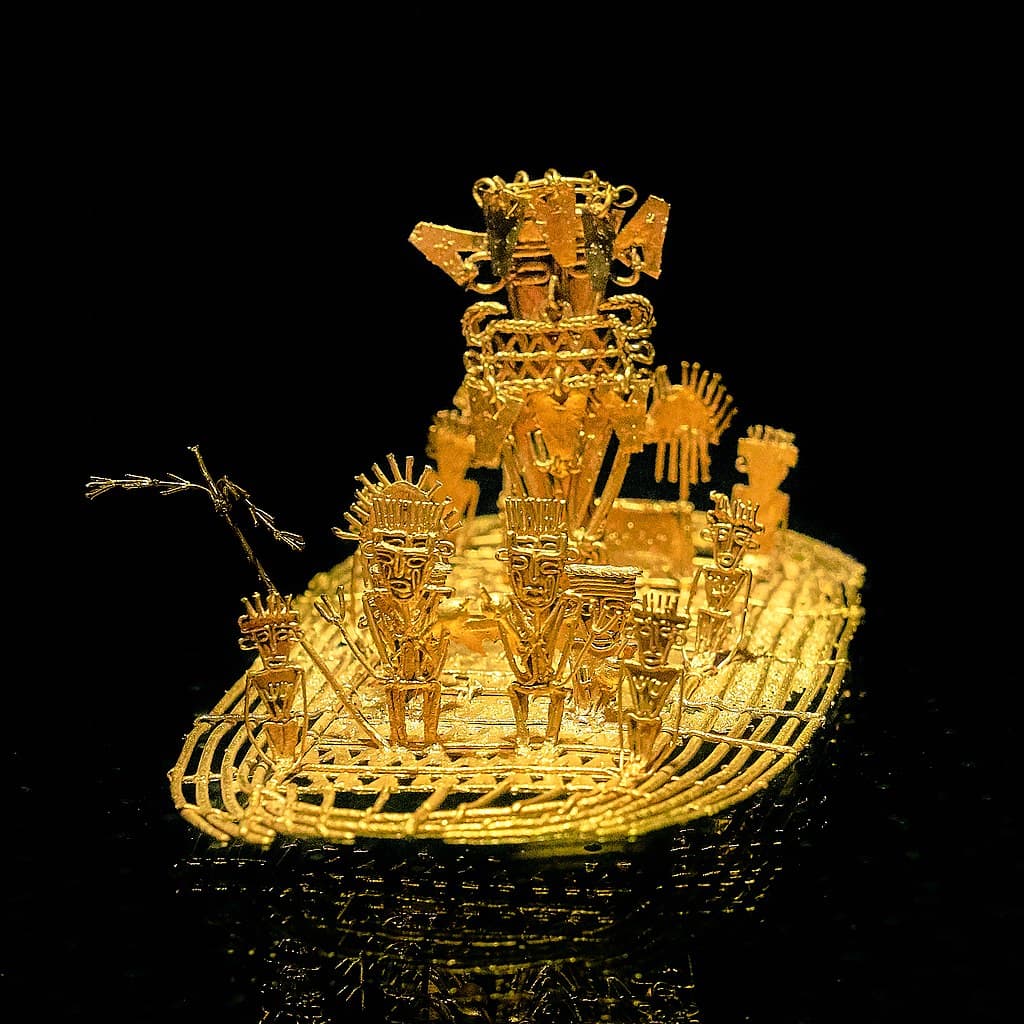
When Spanish explorers first arrived in South America, they heard whispers of a tribal ritual performed by the Muisca people in present-day Colombia. A new chief would cover himself in gold dust and sail to the center of a sacred lake, where he’d toss gold and jewels into the water as offerings to the gods. To the Muisca, this was religion. To the Spanish, it was an ATM.
The conquistadors heard about this “gilded man” (el hombre dorado, later shortened to El Dorado) and immediately jumped to the obvious conclusion: somewhere out there was an entire city—no, an empire—built of solid gold. All they had to do was find it.
Easy, right?
Spoiler: it wasn’t.
Gold Fever
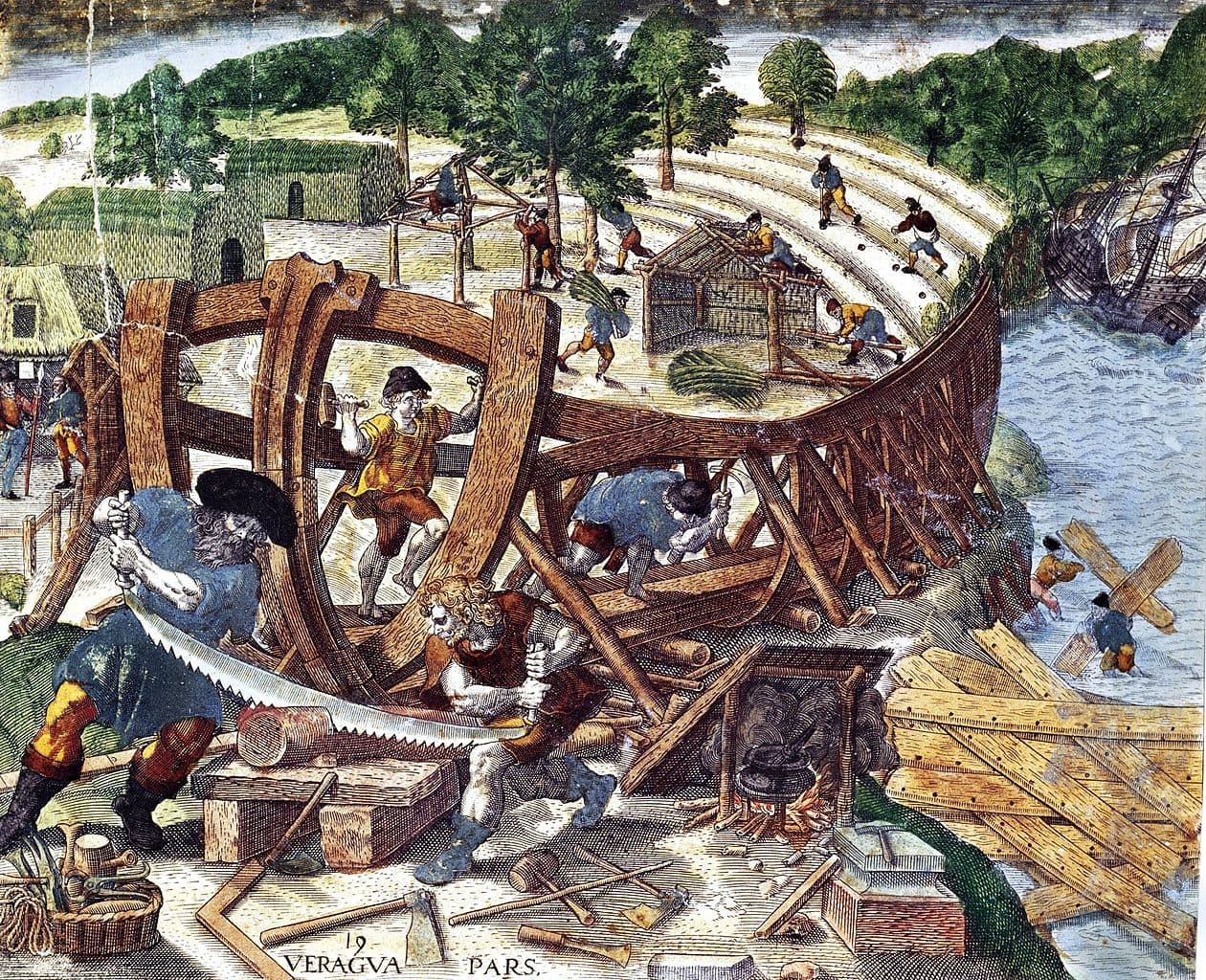
It was the 16th century equivalent of crypto hype—just swap out NFTs for jungle maps, malaria for burnout, and conquistadors for guys who thought “planning” meant packing a sword and a bottle of rum.
When word of “The Gilded Man” reached Europe, it was like striking a match in a gunpowder warehouse. The Spanish were already flush from plundering the Aztec and Inca empires, and they believed El Dorado was the next glittering jackpot. Within years, expeditions were flooding into South America, each more desperate and delusional than the last.
They didn’t just want gold. They expected gold. They believed it was their divine right—preordained by kings and blessed by God. And when they didn’t find it? They burned villages, tortured locals, turned on each other, and kept moving forward.
Here are just a few of the golden meltdowns we talk about in the episode:
Sebastián de Belalcázar, fresh off invading the Inca, headed to Colombia in search of a golden kingdom. He didn't find it—but he did get into a three-way colonial slap-fight with two other conquistadors, each claiming they had dibs on the imaginary empire.
Gonzalo Pizarro, half-brother of Francisco Pizarro, led 300 Spaniards and thousands of Indigenous slaves into the Amazon in 1541, chasing rumors of a land called “La Canela”—The Valley of Cinnamon, because why stop at one myth? They found hunger, disease, and betrayal. Only a few survived.
Francisco de Orellana, who split from Pizarro’s crew, accidentally became the first European to navigate the entire Amazon River. He reported seeing vast cities and warrior women (the origin of the name Amazon)—claims dismissed as fantasy for centuries until modern science said, “Actually... maybe not.”
But the most dramatic gold-fever victim might have been Sir Walter Raleigh, England’s own swaggering poet-pirate. In the late 1500s, he convinced Queen Elizabeth I to bankroll his expedition to find El Dorado in Venezuela. He wrote glowing, totally unverified accounts of a golden city on the banks of Lake Parime—a lake that does not, and probably never did, exist.
Years later, Raleigh tried again. This time, he lost his son in a skirmish with the Spanish, returned home empty-handed, and—after violating a peace treaty—was promptly executed. Head chopped off. Legend tarnished. Still no gold.
And yet... the dream never died.
Every generation had its own El Dorado chasers—Germans, Jesuits, freelancers with machetes and death wishes. As late as the 1700s, cartographers were still drawing golden cities and fake lakes onto official maps. The myth had legs. Expensive, delusional legs.
By the time the 20th century rolled around, El Dorado had transformed. It was no longer about literal treasure—it was about the chase. The idea that somewhere out there was a perfect place, untouched and waiting, if only you were bold (or unhinged) enough to find it.
And honestly? That might be the most dangerous part of the legend.
Real Cities, Lost Worlds
But here’s where it gets weird (and very cool): in the 21st century, scientists started using LiDAR—basically laser radar—to scan the jungles of South America. What they found were actual ancient cities. Vast networks of roads, plazas, and pyramids hidden beneath the trees. Entire civilizations that were once home to millions.
So maybe the conquistadors were looking for the right thing... just in the wrong time.
Some of these cities had been abandoned before Europeans ever arrived, due to climate change or war. Others were wiped out by disease. What survived was memory—oral histories of great kings and golden temples, handed down and distorted until they became myth.
Theories We Explore
So what was El Dorado?
We dig into four big theories:
The Gilded Man – A real ritual from the Muisca people, blown way out of proportion by gold-hungry invaders
The Hidden Kingdom – A distorted echo of real jungle cities, like those in the Llanos de Mojos or the Amazon Basin
The Colonial Fantasy – A made-up story used to justify conquest, slavery, and a lot of really bad maps
The Metaphor – A symbol of wealth, power, and the madness that comes from chasing something that doesn’t want to be found
Pop Culture Gold
From The Road to El Dorado (where con men become cult leaders) to Uncharted (where cursed statues kill everyone), we break down how the myth has evolved—and what it still says about us. Spoiler: we’re still obsessed.
We also talk about:
Why the 1969 Raft of El Dorado sculpture is now a national treasure
How the phrase “El Dorado” became a lazy metaphor for startup dreams and Vegas hotels
And why the real treasure might’ve been ecological knowledge all along
Want More?
The Golden Man: El Dorado and the Muisca People – British Museum Press
“Goldwork and Shamanism” – Museo del Oro, Bogotá
The Conquest of the Incas by John Hemming
The Last Days of the Incas by Kim MacQuarrie
“The Discovery of the Amazon” by Gaspar de Carvajal (1542)
1491: New Revelations of the Americas Before Columbus by Charles C. Mann
“Amazonia 1492: Pristine Forest or Cultural Parkland?” – Science Journal, 2003
“Pre-Hispanic Urbanism in the Bolivian Amazon” – Nature, 2022
The Columbian Exchange by Alfred W. Crosby
Born to Die: Disease and New World Conquest by Noble David Cook
Also featured: records and artifacts from Colombia’s Museo del Oro, and way too many reruns of The Road to El Dorado.
Listen Now
🎧 Click here to listen to the episode
Or find Mystery Date on Spotify, Apple Podcasts, or wherever you get your audio fix.
Join the Conversation
Could you survive an expedition to find the lost city? Would you even want to?
🗨️ Leave a comment below.
📸 Follow us on social media: @mysterydatepodcast
📢 Send us a voice message to be heard on the show!