
Introduction: The Night the Legend Began
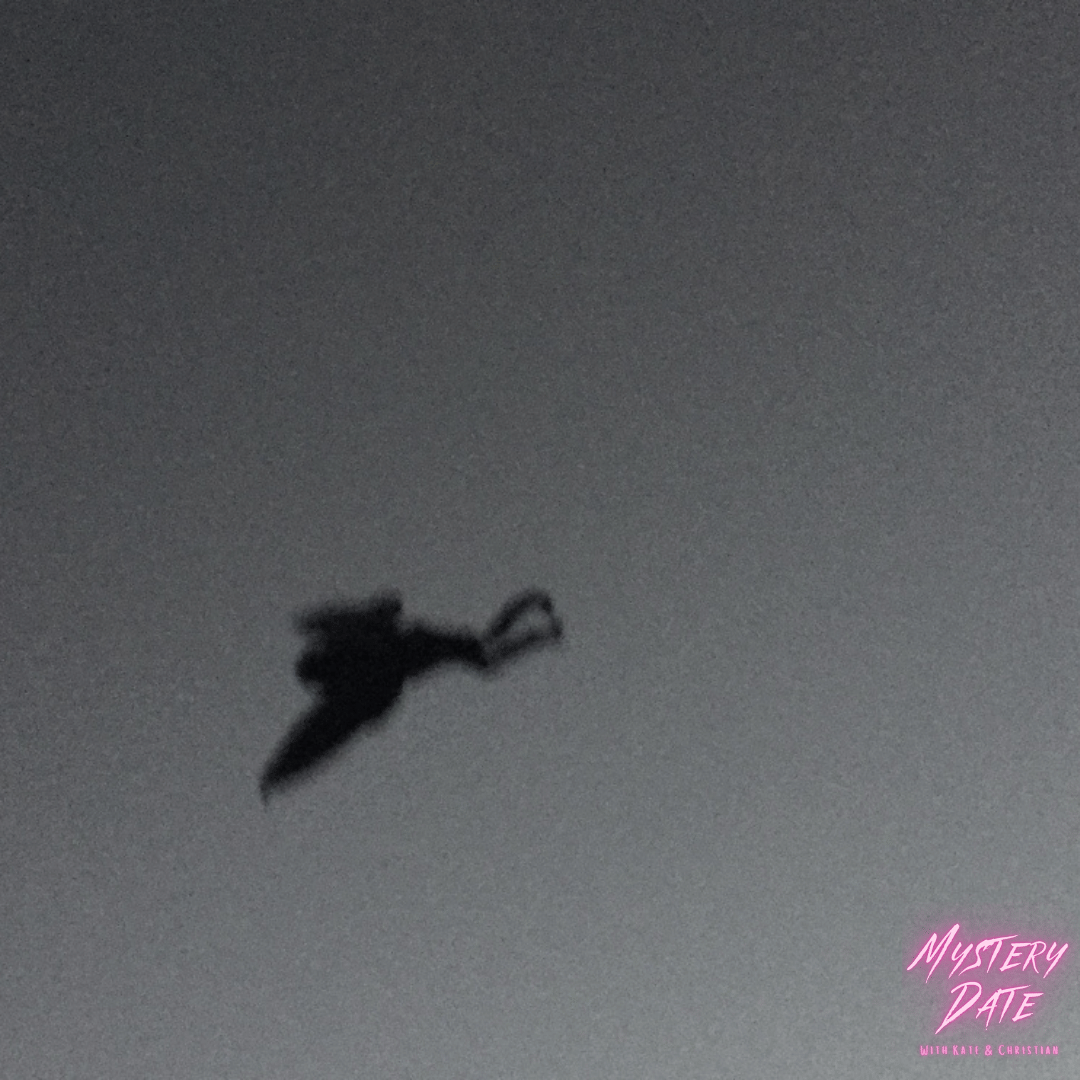
It was a cold November evening in 1966 when four friends were driving down a dark country road near Point Pleasant, West Virginia. What should have been an uneventful night took a terrifying turn. Looming in their headlights was something impossible: a figure seven feet tall, with massive wings folded behind its back, and eyes that glowed a menacing, fiery red.
The creature didn’t just stand and stare—it launched into the air. In seconds, it was soaring above their car, chasing them at speeds over one hundred miles per hour. Panicked, the couples sped into town, reporting the encounter to local authorities.
Within days, the town was alive with whispers. Reports of glowing eyes in the woods, winged shadows swooping overhead, and the overwhelming sense of dread that came with each encounter spread like wildfire. Over the course of a year, more than one hundred sightings would be reported. And then—just as suddenly as it began—the encounters stopped.
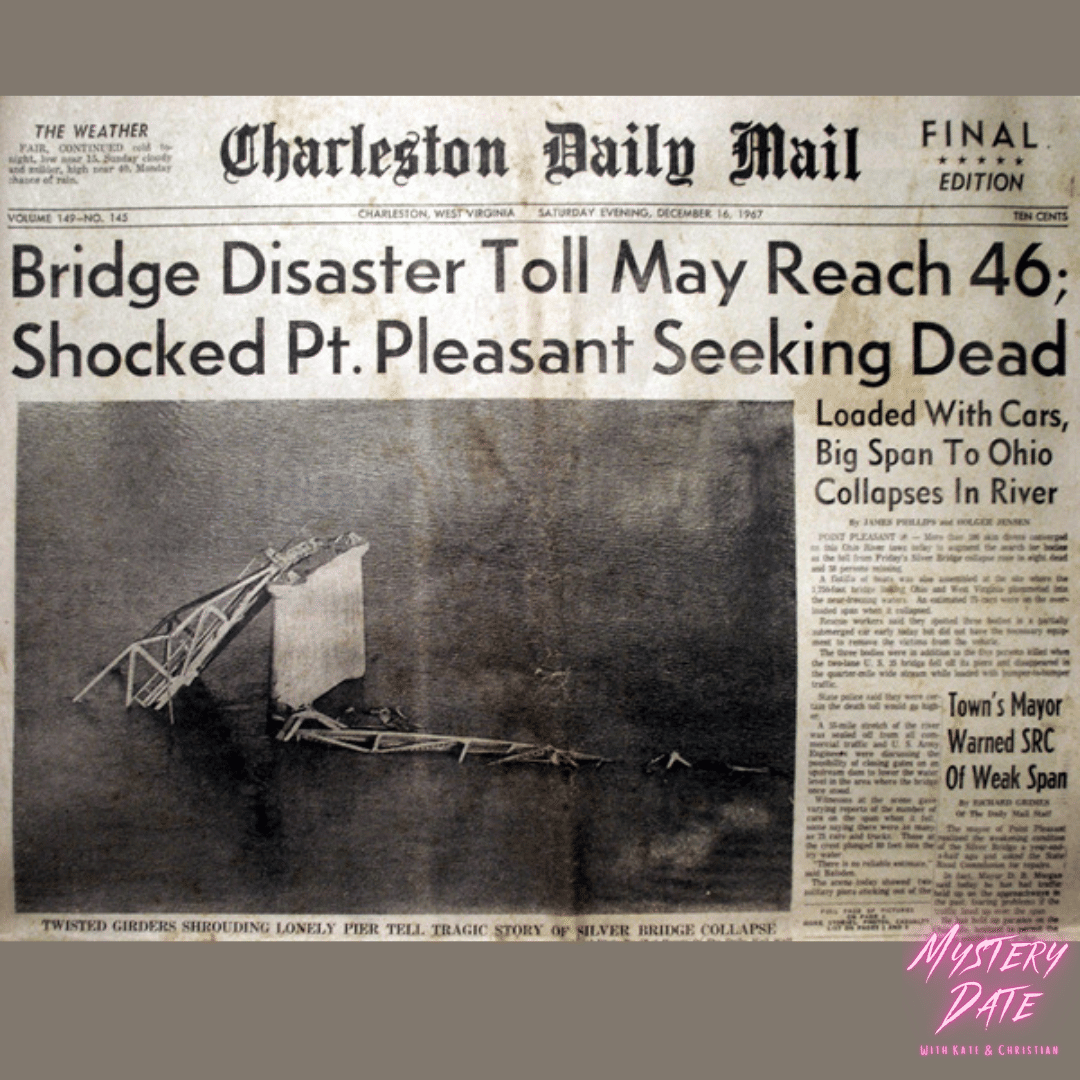
The last sighting coincided with a tragedy that shook Point Pleasant to its core: the collapse of the Silver Bridge on December 15, 1967, killing forty-six people. To many, the connection was undeniable. The Mothman wasn’t just a strange cryptid haunting the hills of West Virginia—it was an omen.
But was this creature real, or a story woven from fear, tragedy, and folklore? To unravel the Mothman mystery, we need to dive into the history, the sightings, the theories, and the lasting cultural impact of this red-eyed enigma.
Point Pleasant in the 1960s: The Perfect Backdrop for a Mystery
Point Pleasant was, and still is, a small Appalachian town nestled at the meeting of the Ohio and Kanawha Rivers. In the 1960s, it was a place of tight-knit families, sleepy streets, and farmland stretching into thick woods. But like many towns of the era, Point Pleasant was also marked by change. The town’s industrial heyday was long gone, leaving behind eerie remnants of its past—including the infamous McClintic Wildlife Management Area, better known by locals as the “TNT Area.”
The TNT Area had once been the site of a World War II-era munitions plant. Dozens of concrete storage igloos, half-buried in earth and overgrown by foliage, dotted the landscape like forgotten tombs. After the war, the site was abandoned, left to rot and reclaim by nature. Locals whispered about chemical contamination, strange odors, and even stranger shadows moving in the trees.
It’s here—in this industrial graveyard turned wildlife preserve—that the Mothman legend was born.
The TNT Area: From Munitions Factory to Cryptid Hotspot
The scarred remains of the TNT Area provided the perfect stage for something unexplainable to take root. Narrow roads snaked through thick woods, the igloos loomed in silence, and the sense of isolation was palpable.
The first known Mothman sighting occurred on November 12, 1966, not in Point Pleasant itself but in nearby Clendenin. Five men were digging a grave when a massive, winged figure flew over their heads. They described it as man-shaped, brownish in color, with a wingspan unlike anything they had ever seen.
It was strange, but not enough to spark panic. That changed three days later when two young couples encountered the creature in the TNT Area. Their account would ignite a firestorm of fear, fascination, and speculation.
The First Sightings: Fear Takes Flight
On November 15, 1966, Roger and Linda Scarberry and Steve and Mary Mallette were driving past the abandoned North Power Plant when their headlights caught something terrifying: a humanoid figure, seven feet tall, with glowing red eyes and broad wings.
Frozen in fear, they stared. Then the creature moved. With shocking speed, it launched into the air, chasing their car as they fled down Route 62. Even as they pushed their car past one hundred miles per hour, the creature kept pace. Only after several minutes did it finally veer off into the night.
The couples went straight to the Mason County Courthouse, filing a report. The next day, the Point Pleasant Register ran the now-famous headline:
“Couples See Man-Sized Bird … Creature … Something!”
The story spread like wildfire. Soon, others came forward with their own terrifying encounters.
Chief Cornstalk and the Curse on Point Pleasant
The Mothman legend didn’t emerge in a vacuum. Point Pleasant already carried a darker historical legacy tied to violence and tragedy.
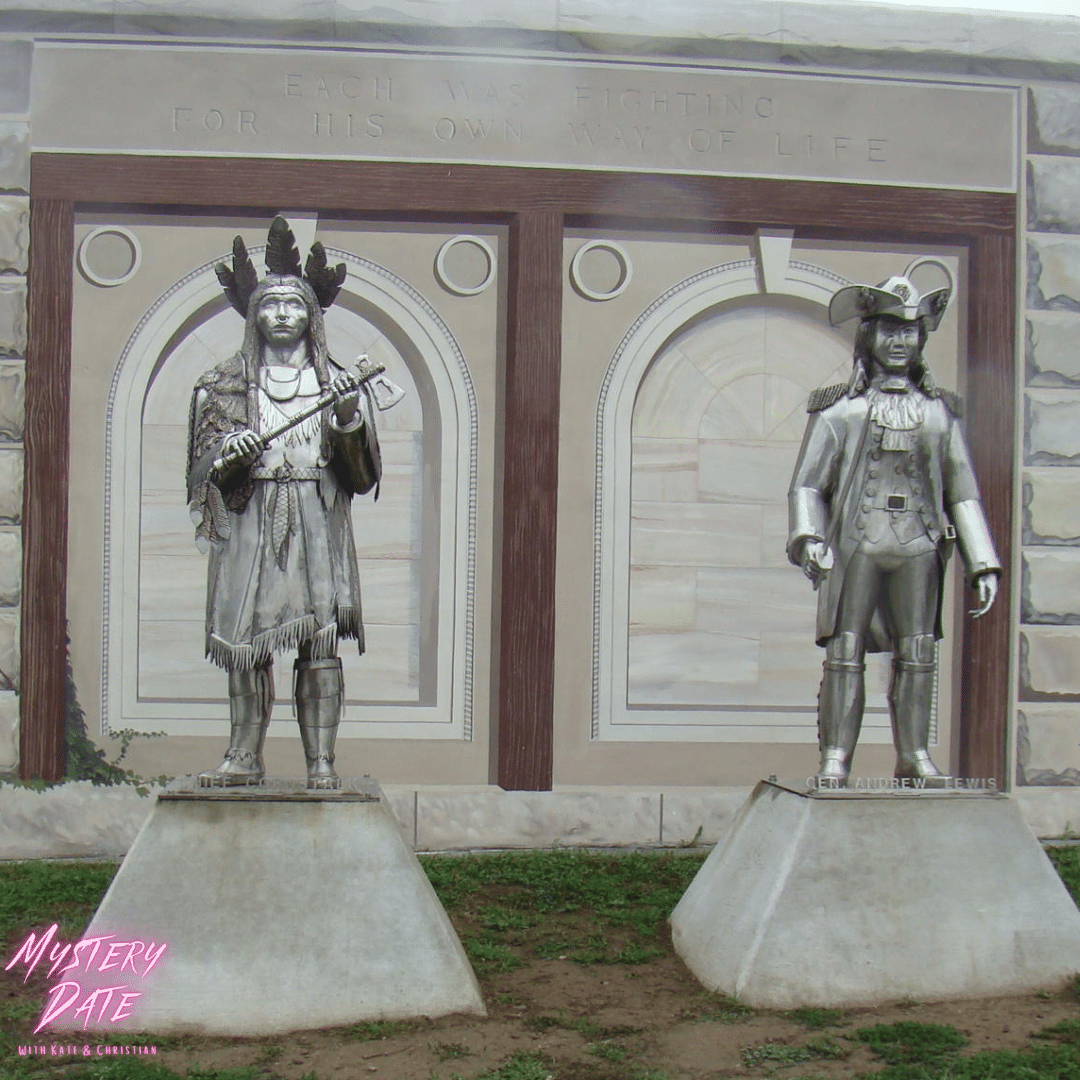
In 1774, the Battle of Point Pleasant saw Shawnee warriors, led by Chief Cornstalk, clash with colonial militia. Though Chief Cornstalk later sought peace, he was betrayed in 1777—taken hostage and murdered along with his son.
According to legend, Cornstalk’s dying words placed a curse upon Point Pleasant, condemning the land to generations of misfortune.
Some believe the Mothman is tied to this curse—an omen born from injustice, forever haunting the place where Cornstalk’s blood was spilled. The Silver Bridge collapse in 1967 is often pointed to as evidence of the curse’s lingering power.
Theories: What Was the Mothman?
With so many sightings, explanations range from the scientific to the supernatural.
Misidentified Wildlife
Skeptics point to sandhill cranes or herons—large birds with long wingspans and reddish patches around the eyes. Others suggest large owls, whose reflective eyes can appear red in headlights.
Environmental and Psychological Factors
The eerie TNT Area, combined with fear and darkness, could easily have distorted perceptions. Once the story spread, ordinary sounds or shadows may have been reinterpreted as Mothman.
Mutations and Contamination
Some locals speculated the creature was a mutated animal born of chemical contamination in the TNT Area. Others took it further, suggesting it was a product of government experiments gone wrong.
Folklore and Mythological Roots
From the Native American Thunderbird to Europe’s black-winged omens, winged beings tied to disaster appear in myths worldwide. Mothman may be a modern incarnation of these archetypes.
Paranormal and Prophetic Theories
For many, the Mothman is an omen, a supernatural messenger warning of tragedy. Writer John Keel suggested it might be an “ultraterrestrial” or interdimensional entity. Others believe it could be a psychic projection—a manifestation of collective fear.
Hoaxes and Media Sensationalism
With national attention on Point Pleasant, skeptics argue pranksters could have fanned the flames, while newspapers embellished stories to sell copies.
Strange Connections and Odd Details
Beyond the major stories, the Mothman mystery has a trove of strange little details:
Eyewitness sketches often depicted the eyes on the chest, not the head.
Electronics interference—radios, TVs, and even cars reportedly malfunctioned near sightings.
UFO sightings and Men in Black encounters were reported around the same time, adding a layer of high strangeness.
International parallels—miners in Germany in 1978 claimed to see a winged man before a mine disaster; in Mexico, tales of La Lechuza echo Mothman’s features.
Mothman in Pop Culture and the Festival Today
Mothman has outgrown Point Pleasant, becoming a global icon.
Books & Film: John Keel’s The Mothman Prophecies (1975) and its 2002 film adaptation brought the story to a wide audience.
TV & Games: From The X-Files to Fallout 76, Mothman has appeared across media.
Festival: Since 2002, Point Pleasant has hosted the annual Mothman Festival, attracting over 10,000 visitors each year. It features guest speakers, tours, vendors, and the famous 12-foot chrome Mothman statue.
For the town, it’s both an economic boost and a celebration of local lore.
Why the Legend Endures
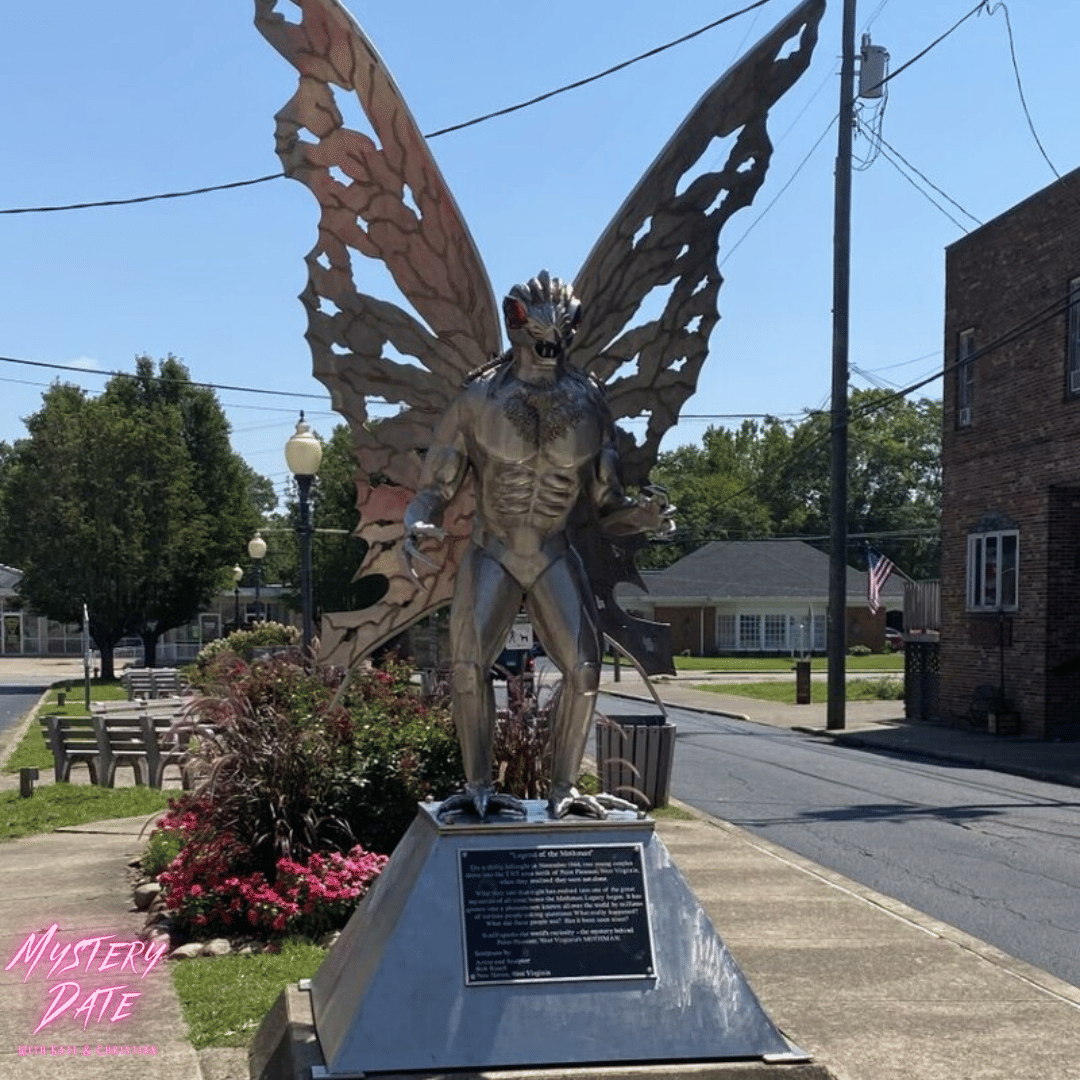
More than fifty years after the Silver Bridge tragedy, the Mothman still captures imaginations. It’s part cryptid, part omen, part cultural phenomenon.
For some, it’s a cautionary tale about how fear spreads. For others, it’s proof that mysteries still lurk in the dark corners of our world. Whether bird, omen, or something from another dimension, Mothman continues to straddle the line between myth and possibility.
Conclusion: Between Fear and Fascination
The Mothman legend is more than just glowing eyes in the woods. It’s a story about community, tragedy, folklore, and the human need for mystery.
Perhaps it was just a bird. Perhaps it was something supernatural, warning Point Pleasant of disaster. Or perhaps it’s a story that lives on because we want it to—because mysteries remind us the world still holds secrets.
One thing is certain: the next time you find yourself driving a lonely backroad in Appalachia, you might think twice before looking in the rearview mirror. Because you never know when two glowing red eyes might be watching.
Sources & Further Reading
📚 Want to Learn More?
Keel, John A. The Mothman Prophecies. Saturday Review Press, 1975.
Wamsley, Jeff. Mothman: The Facts Behind the Legend. OUP Press, 2002.
Coleman, Loren. Mothman and Other Curious Encounters. Cosimo Classics, 2002.
Point Pleasant Register archives (1966–1967 newspaper reports).
“Mothman Festival – Point Pleasant, WV.” Official Festival Website.
National Public Radio, “Remembering the Silver Bridge Collapse” (2007).
Chicago Tribune coverage of reported “Chicago Mothman” sightings (2011–2019).
Appalachian Folklore Archives, “The Curse of Chief Cornstalk.”
Buzzfeed Unsolved, The Mothman Mystery episode (2017).
🎧 Listen. Share. Repeat.
Listen to the full episode now at www.mysterydatepodcast.com/episodes
Thanks for spending time with us on Mystery Date. Be sure to follow us on Instagram, subscribe to the show, and share it with your friends, family, or even your enemies.
Because every good mystery… deserves a date.