
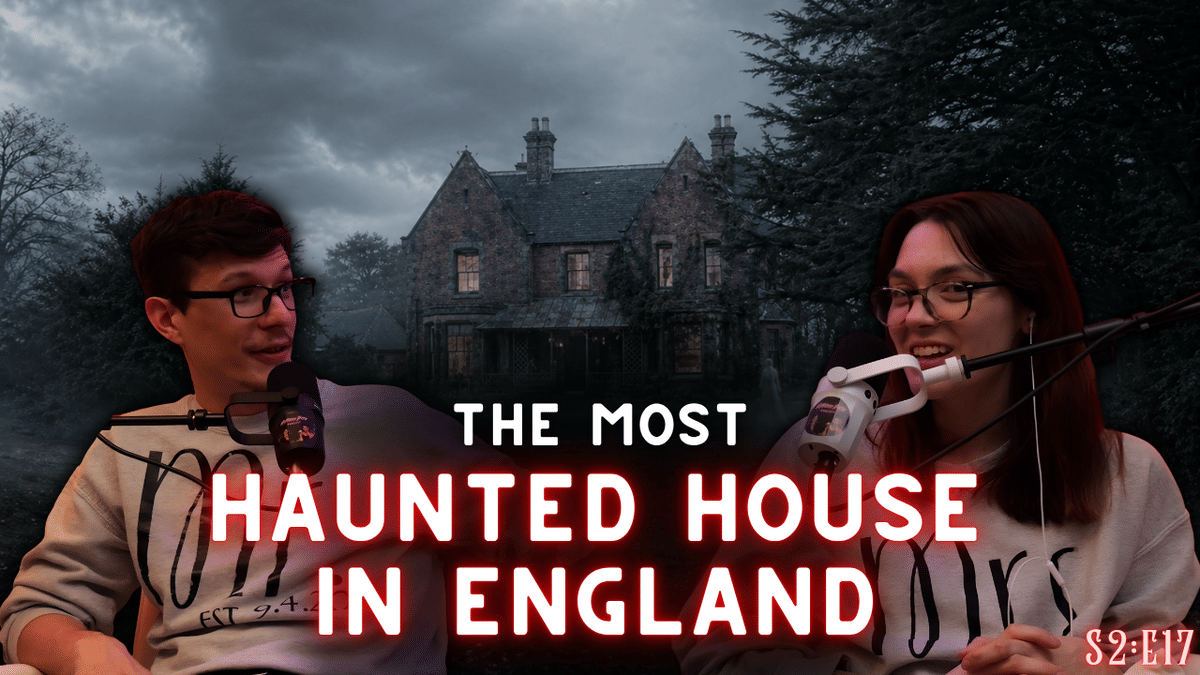
The Legend of Borley Rectory
Some haunted houses fade into local folklore.
Others become legends.
And then there is Borley Rectory, the towering Gothic home in Essex that earned one of the most famous titles in paranormal history: “the most haunted house in England.”
For decades, Borley Rectory was linked to ghostly footsteps, phantom bells, strange lights, mysterious wall writings, poltergeist activity, a spectral nun, and one of the most controversial paranormal investigations ever conducted. It was a story filled with frightened families, eager reporters, occult experiments, alleged hoaxes, and a fire that destroyed the house but somehow made the legend even harder to kill.
Was Borley Rectory truly haunted?
Was it a carefully crafted ghost story?
Or was it something stranger, a perfect storm of folklore, media hype, personal secrets, and one very complicated investigator named Harry Price?
Let’s step through the ashes.
What Was Borley Rectory?
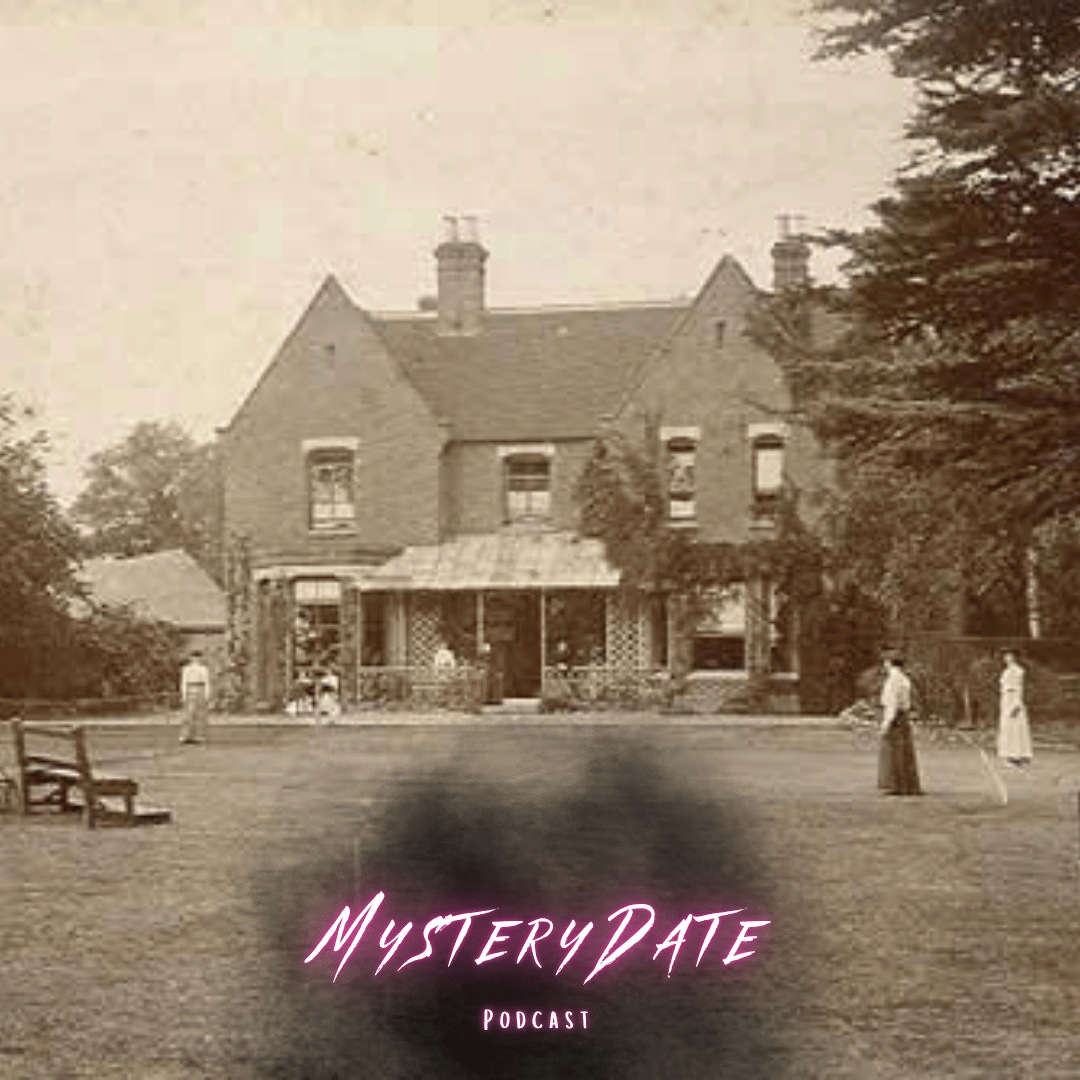
Borley Rectory was built in the quiet village of Borley, Essex, in 1862. It was commissioned by Reverend Henry Dawson Ellis Bull, who moved into the home with his family the following year.
For anyone who does not use the word “rectory” in daily conversation, which is most of us unless we are Victorian clergy or deeply into spooky architecture, a rectory is the official residence provided for a rector, a high-ranking member of the Christian church.
But Borley Rectory was not some cozy countryside cottage.
It was a massive Gothic-style home with four floors, 32 rooms, 11 bedrooms, and roughly 11 acres of secluded land. With pointed arches, looming windows, and a brooding silhouette, it looked almost designed to become a ghost story.
The home had also replaced an earlier rectory that was destroyed by fire in 1841, giving Borley’s story that classic haunted-house ingredient: a new structure rising from the ruins of an old one.
And according to local reports, the strange activity began not long after the family moved in.
The First Hauntings at Borley Rectory
By 1863, people near Borley Rectory had already begun whispering about odd sounds coming from the property.
The most common early report was the sound of unexplained footsteps echoing through the house. These were not faint creaks or ordinary settling noises, at least not according to those who claimed to hear them. They were described as hollow, distinct, and impossible to explain.
But footsteps were only the beginning.
Over time, the haunting seemed to grow teeth.
Visitors, residents, and locals began reporting phantom figures, strange sounds, and eerie presences on the grounds. The most famous of these sightings would eventually become the symbol of Borley Rectory itself: the ghostly nun.
The Ghost Nun of Borley Rectory
One of the most famous sightings occurred on July 28, 1900, after Reverend Henry Bull had died and his son, Reverend Harry Bull, had taken over the rectory.
That day, four of Harry Bull’s daughters reportedly saw a dark figure about 40 yards from the house. The figure appeared to be a nun. At first, the girls thought she was a real person, so they attempted to approach her.
But as they got closer, the figure vanished.
The story quickly connected itself to an older local legend. According to folklore, a monastery had once stood near the site in the 14th century. The legend claimed that a monk from the monastery fell in love with a nun from a nearby convent. When their forbidden romance was discovered, the monk was executed, and the nun was allegedly bricked up alive inside the convent walls.
It is exactly the kind of story that sounds like it crawled out of a candlelit medieval nightmare. Was the figure seen by the Bull daughters the spirit of that doomed nun or had a tragic legend given people a shape to project onto the shadows?
Either way, the “Borley Nun” became one of the most enduring images in British ghost lore.
The Smith Family Moves In
After Harry Bull’s death, Borley Rectory sat empty for about a year.
Then, on October 2, 1928, Reverend Guy Eric Smith and his wife, Mabel Smith, moved into the house. This is where the Borley legend shifted from unsettling village ghost story to full-blown paranormal spectacle. The Smiths reported a variety of strange phenomena, including: Phantom servant bells ringing even though they were supposedly disconnected. Unexplained lights appearing in the windows of empty rooms. Heavy footsteps moving through the halls when no one was there, but the strangest discovery came when Mabel Smith found a brown paper package hidden inside the rectory.
Inside was the skull of a young woman.
Reverend Smith reportedly described the find as a “morbid surprise,” which is perhaps one of the most British ways imaginable to describe finding human remains in your haunted house. The skull was eventually buried in the churchyard, but the discovery deepened the mystery. Who was she? How did the skull end up in the house? Was it connected to the legend of the nun?
The historical trail goes cold. But for the Smiths, the rectory had crossed a line. They eventually contacted the Daily Mirror, hoping to involve the Society for Psychical Research. Instead, the story attracted someone who would define Borley Rectory forever.
His name was Harry Price.
Harry Price Arrives at Borley Rectory
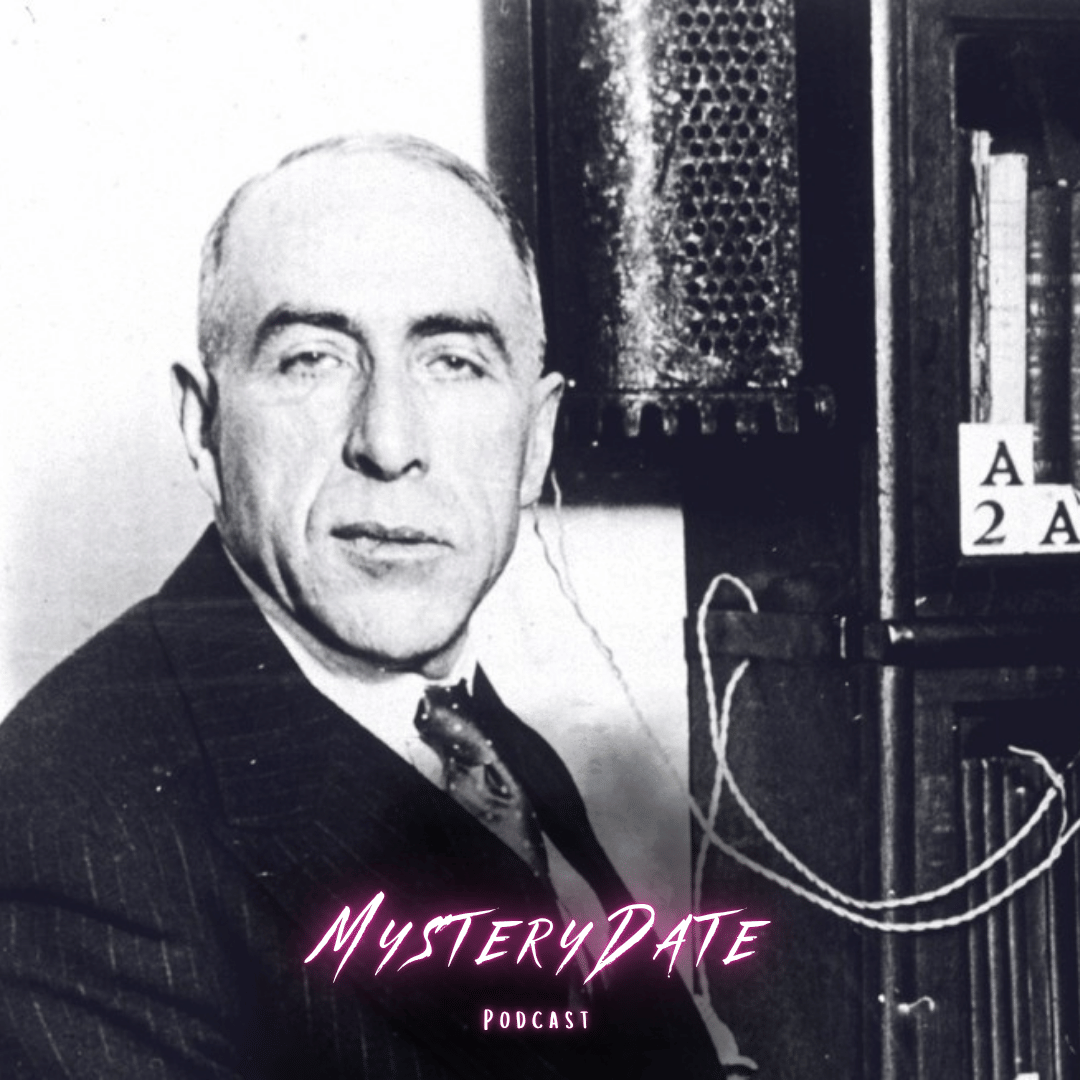
On June 10, 1929, the Daily Mirror sent reporter V.C. Wall to investigate the strange claims surrounding Borley Rectory.
Wall and a staff photographer reportedly watched the house from the woods. They did not capture a ghost, but they claimed to see a strange light glowing inside the rectory. When they went to investigate, the interior was dark. When they returned to their viewing spot, the light appeared again.
The article sparked public fascination. Soon after, Wall returned with Harry Price, one of the most famous paranormal investigators of the era.
Price was not simply a ghost hunter in the modern entertainment sense. He had built part of his reputation by exposing fraudulent mediums and spiritualist trickery. That made his involvement at Borley especially compelling. If a known debunker believed something strange was happening, people listened.
But the moment Price entered the story, the haunting seemed to change. Before Price, Borley’s ghosts were mostly atmospheric: footsteps, lights, apparitions, distant figures. After Price, the activity reportedly became more aggressive. Objects were thrown. Messages appeared on walls. The energy of the haunting seemed to shift from eerie to hostile.
That shift would later become one of the biggest red flags in the entire case. According to Mrs. Smith, the more violent activity stopped when Price left. She later suspected that Price himself may have been creating or exaggerating phenomena to make the story more sensational.
And Borley Rectory was about to get much messier.
The Foyster Era: Borley Rectory Gets Worse
The Smiths left Borley Rectory on July 14, 1929.
For a while, the parish struggled to find anyone willing to live in a house now widely rumored to be haunted. But on October 16, 1930, Reverend Lionel Algernon Foyster moved in with his wife, Marianne Foyster, and their adopted daughter, Adelaide.
The Foysters remained at Borley for five years.
And according to Lionel’s records, those five years were absolute chaos.
The reported activity included ringing bells, shattered windows, thrown stones, flying bottles, locked rooms, and physical attacks. Marianne claimed she was thrown from bed multiple times. Adelaide was allegedly locked in rooms with no key. Lionel even attempted two exorcisms.
During one of those rituals, he claimed he was struck in the shoulder by a stone the size of a fist.
On paper, the Foyster years are some of the most dramatic in the Borley Rectory case.
But they are also some of the most suspicious.
Marianne Foyster and the Question of Fraud
As Borley Rectory became more famous, investigators began to question whether all of the activity was truly paranormal.
A great deal of suspicion fell on Marianne Foyster.
The Foyster household was complicated. Marianne later admitted she had been having an affair with a lodger named Frank Pearless. She also admitted that she had sometimes used the idea of “paranormal activity” to cover suspicious noises, absences, and secret meetings.
That confession does not automatically explain every strange event reported at Borley Rectory, but it does crack the story wide open.
If some events were staged or exaggerated, which ones were real? If some noises were used to cover human secrets, how many “ghosts” were really just people trying not to get caught?
Borley Rectory was no longer just a haunted house.
It had become a house of secrets.
Harry Price’s Year-Long Investigation
After the Foysters left in October 1935, Borley Rectory stood vacant again.
Then, in May 1937, Harry Price rented the property for one year from Queen Anne’s Bounty, the organization that owned it.
Price approached the investigation with an unusually organized plan. He placed an advertisement in The Times on May 25, 1937, seeking volunteers. After interviews, he selected a team of 48 official observers.
These observers, many of them students, were assigned to spend weekends inside Borley Rectory and record anything unusual they experienced.
The reports from this period included familiar Borley phenomena: footsteps, bell ringing, thrown objects, strange sounds, and other unexplained disturbances.
But Price’s investigation also moved into more occult territory.
The Planchette Séance and the Spirit of Marie Lairre
On March 27, 1938, Price contacted medium Helen Glanville in Streatham, London, to conduct a planchette séance.
According to Price’s records, two spirits were contacted.
The first was Marie Lairre, described as a young French nun. Her story was similar to the old Borley legend, but with added detail. She allegedly left her religious order, traveled to England, and married into the Waldegrave family. Instead of living happily ever after, she claimed she was murdered in an older building on the rectory site. Her body, according to the séance messages, was supposedly placed in the cellar or a disused well.
Price connected Marie Lairre to the mysterious wall writings that had reportedly appeared inside the rectory, including messages that pleaded for help.
The second spirit was called Sunex Amured, and this entity delivered a grim prophecy: Borley Rectory would burn down, and the fire would reveal human remains.
That prophecy did not come true immediately.
But less than a year later, the rectory burned.
The Borley Rectory Fire
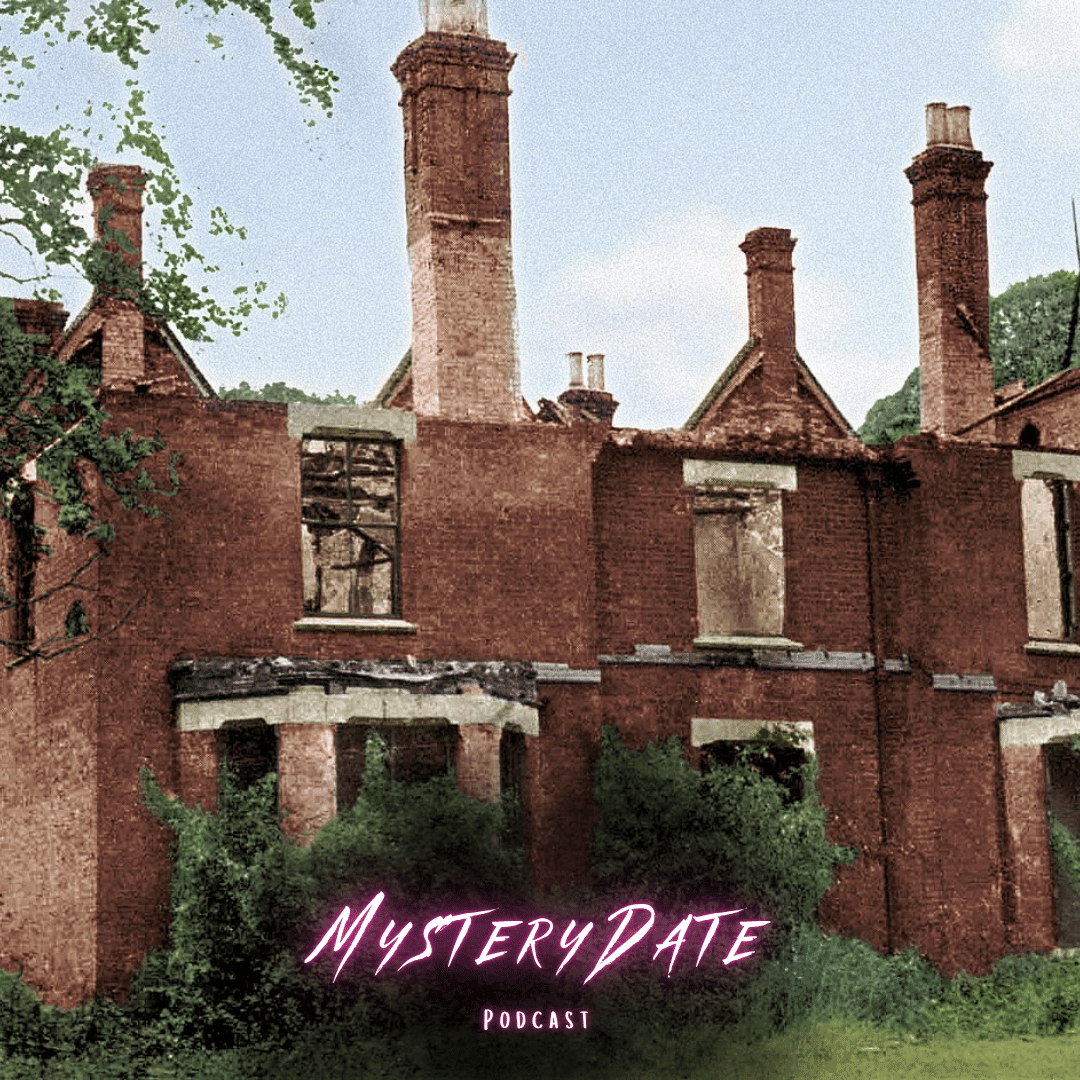
On February 27, 1939, Borley Rectory’s new owner, Captain H. Gregson, was unpacking boxes when he accidentally knocked over an oil lamp in the hallway.
The house had never been modernized with gas or electricity, and water access was limited. Once the fire started, it spread quickly.
Borley Rectory was gutted.
The fire itself may sound accidental, but suspicion followed it almost immediately. According to later accounts, an insurance investigation concluded that the fire appeared to have been started deliberately.
Then came one final ghost story.
During the blaze, a woman identified as Miss Williams claimed she saw the figure of a nun standing in an upstairs window as the flames consumed the house.
However, she reportedly charged Harry Price for the story, which makes the account harder to accept without skepticism.
In classic Borley fashion, even the final haunting came wrapped in fog.
The Bones in the Cellar
The story did not end with the fire.
In August 1943, Harry Price returned to the ruins of Borley Rectory to excavate the cellars.
There, he found two bones.
A local doctor reportedly suggested they might be animal bones. Later, forensic analysis by Dr. F.B. Parsons suggested they could belong to a young woman, but the evidence was limited.
Price arranged for a Christian burial, hoping to put the alleged spirit of Marie Lairre to rest.
But Borley Parish refused to allow the burial in its churchyard. Locals apparently believed the remains were more likely from a pig than a murdered nun.
The bones were eventually buried outside Borley.
The identity of the remains, like so much else in the case, remains disputed.
The Society for Psychical Research Takes Another Look
After Harry Price died in 1948, the Society for Psychical Research, often shortened to the SPR, commissioned a major review of the Borley Rectory case.
The investigation was led by Eric Dingwall, Kathleen Goldney, and Trevor Hall, and it resulted in the 1956 publication of The Haunting of Borley Rectory: A Critical Survey.
This report was devastating for Price’s reputation.
The SPR investigators argued that many of the supposedly supernatural events had natural explanations. They suggested that some noises could have been caused by rats, structural issues, or the old mechanical systems inside the house. They also argued that Price had likely manufactured or exaggerated some of the phenomena himself.
The report also highlighted Marianne Foyster’s later admissions, using them as evidence that many of the most dramatic events during the Foyster years may have been staged or misrepresented.
To believers, the SPR report did not fully erase the mystery.
To skeptics, it turned Borley Rectory into a cautionary tale about media sensationalism, unreliable witnesses, and the power of suggestion.
Theories About the Borley Rectory Haunting
The Borley Rectory case has inspired several major theories over the years.
Some are supernatural. Some are psychological. Some are extremely human.
The Ghost Nun Theory
The most famous theory is that Borley Rectory was haunted by a nun connected to a medieval tragedy.
This version of the story centers on the forbidden romance between a monk and a nun. The monk was allegedly executed, while the nun was bricked up alive. Later versions connected this figure to Marie Lairre, the spirit supposedly contacted during Harry Price’s séance.
This theory is the most gothic and cinematic, but it is also difficult to verify historically.
The Stone Tape Theory
Another theory suggests the haunting was residual rather than intelligent.
The “Stone Tape” idea proposes that emotional or traumatic events can somehow imprint themselves onto buildings, stone, or land, replaying like a recording under certain conditions.
Under this theory, the Borley ghosts were not conscious spirits. They were echoes.
It is an intriguing idea, although not scientifically proven.
The Fraud Theory
This is the theory favored by many skeptics.
According to this view, the Borley haunting was a mixture of deliberate hoaxes, exaggeration, misinterpretation, and media hype.
Marianne Foyster may have faked or encouraged some events to cover her affair. Harry Price may have manipulated evidence to keep the story alive. Visitors may have expected ghosts and interpreted ordinary noises as paranormal events.
In other words, Borley Rectory may have been haunted less by spirits and more by suggestion.
Natural Causes
Some researchers have argued that many of Borley’s phenomena had physical explanations.
The house may have suffered from structural subsidence. Rats in the walls could explain scratching and thumping sounds. Old servant bell wires could have shifted or malfunctioned. Creaking floors, drafts, loose stones, and aging plaster could all have contributed to the atmosphere.
A massive old Gothic rectory at night does not need much help to become terrifying.
The Poltergeist Agent Theory
Some parapsychologists have suggested that the activity may have been connected to human emotion rather than ghosts.
This theory is sometimes called Recurrent Spontaneous Psychokinesis, or RSPK. It proposes that a living person under stress can unconsciously cause physical disturbances.
In the Borley case, some have suggested Marianne Foyster may have been the “agent,” not necessarily faking everything, but unconsciously triggering activity through emotional turmoil.
It is a theory that sits somewhere between haunting and psychology, a strange little bridge over very dark water.
Where Borley Rectory Stands Today
Borley Rectory no longer exists.
The ruins were demolished in 1944, and the site was eventually replaced by a quiet row of bungalows.
But the legend did not die with the house.
Today, Borley remains one of the most debated hauntings in paranormal history. The church across the street still stands, and modern ghost hunters continue to visit the area. Some claim to feel a strange presence there. Others report sightings of a shadowy nun near the churchyard.
For believers, Borley Rectory remains one of England’s greatest ghost stories. For skeptics, it is one of the greatest examples of how folklore, journalism, and human deception can create a haunting powerful enough to outlive the building itself and maybe that is what makes Borley so fascinating.
It is not a clean story. It is not one of those paranormal cases where everything fits neatly into a box labeled “real” or “fake.” It is messy. Contradictory. Dramatic. Suspicious. Creepy. Human.
Exactly the kind of mystery that refuses to stay buried.
Final Thoughts: Was Borley Rectory Really Haunted?
So, was Borley Rectory truly the most haunted house in England?
That depends on who you ask.
If you believe Harry Price, Borley was a genuine paranormal hotspot filled with spirits, messages from the dead, and the restless ghost of a murdered nun.
If you believe the SPR’s later investigation, Borley was a house of hoaxes, exaggerations, and ordinary noises dressed up in ghostly clothing. The truth may live somewhere in the fog between the two.
Borley Rectory’s real power might not come from proving ghosts exist. It comes from showing how legends are built. A strange sound becomes a rumor. A rumor becomes a newspaper story. A newspaper story becomes a national obsession. Then, long after the house has burned down, people are still telling the tale.
The physical rectory is gone. The ghost story remains and in the end, that may be the most haunting thing about Borley Rectory.
About This Episode
This blog post is adapted from our Season 2 episode of the Mystery Date Podcast — “The Borley Rectory | England's Most Haunted House”, part of our A Haunting season exploring the strange and mysterious side of the paranormal.
🎧 Listen to the full episode: Mystery Date Podcast
👕 Grab themed merch: Mystery and Co.
📬 Send us your local legends: mysterydatepodcast@gmail.com | (216) 770-4881