

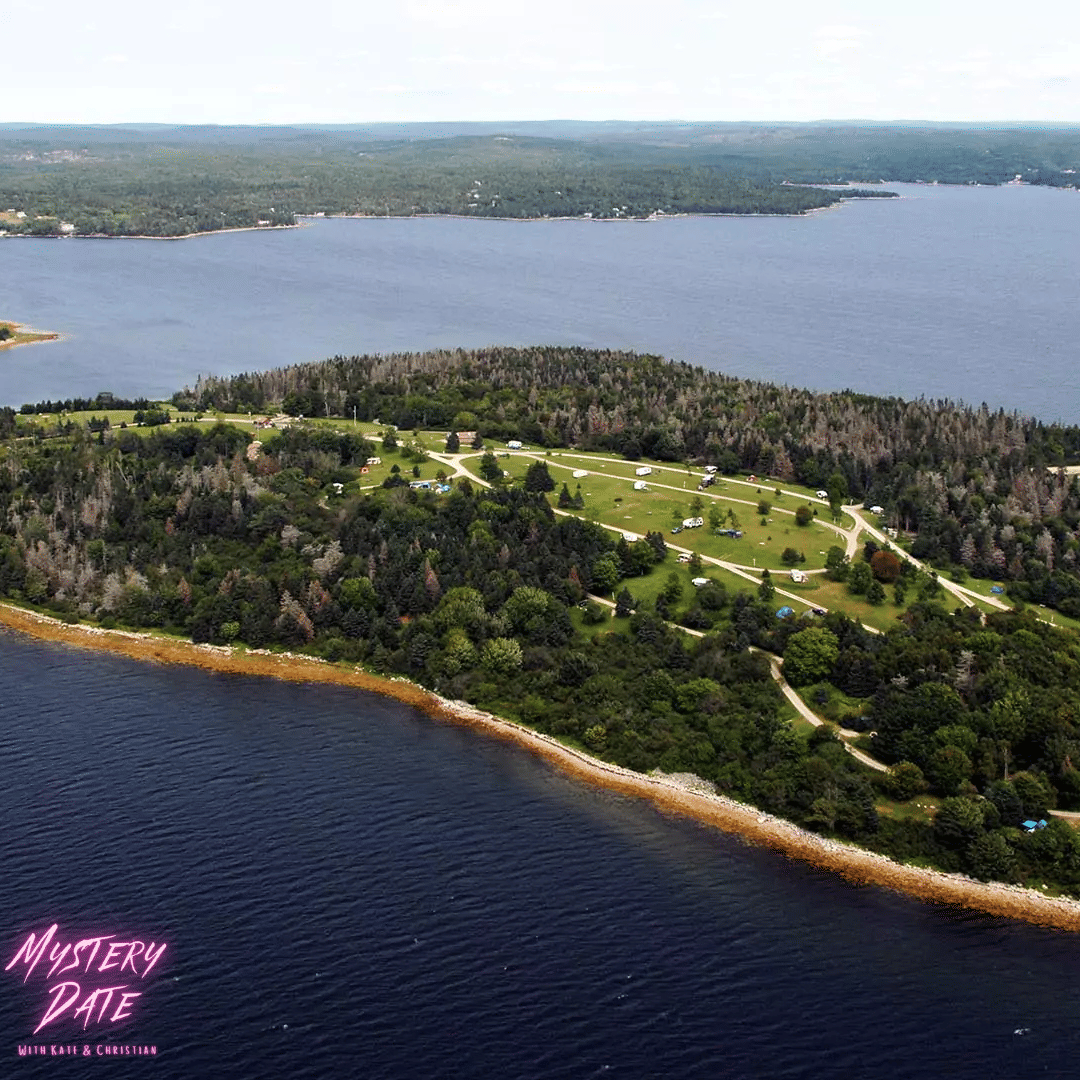
Deep in Mahone Bay, off the southern coast of Nova Scotia, sits a tree‑covered island that looks like any of the hundreds of little islands that dot Canada’s Atlantic coast. At first glance it is peaceful, even boring – nothing more than rocky shoreline and stunted spruce trees. Yet for more than two centuries treasure hunters have been drawn to this quiet place because of a single hole in the ground. Since the late 1700s people have spent fortunes drilling, digging and dying on Oak Island in search of what lies beneath a shaft that seems determined to keep its secrets. Today, even after six confirmed deaths and multiple ruined companies, the island’s “Money Pit” remains one of the world’s most enduring unsolved mysteries.
This blog post retells the story of Oak Island as both a history lesson and a reflection on why mysteries like this continue to captivate us. Starting with a chance discovery in 1795, we follow the treasure fever that swept through nineteenth‑century Nova Scotia, the tragedies that birthed a curse, the modern television spectacle, and the imaginative theories spawned by the search for answers. Along the way we will examine the artifacts pulled from the island and the engineering marvels that suggest careful planning rather than accident. We will also explore the human psychology behind the hunt: why do people invest their lives and fortunes into a hole that may never yield treasure? Whether you are a newcomer to the legend or a seasoned fan of the History Channel’s The Curse of Oak Island, this long‑form dive will give you a richer understanding of how a muddy pit became a cultural phenomenon.
The Young Explorer and the Birth of a Legend
The story begins in 1795 when a teenager named Daniel McGinnis went exploring across the narrow channel that separates Oak Island from the Nova Scotian mainland. According to later accounts, McGinnis noticed a depression in the ground beneath an old oak tree and a sawn‑off limb bearing rope marks as if it had once held a pulley. Intrigued, he recruited two friends, John Smith and Anthony Vaughan, to help him dig. A few feet down they hit flagstones. Beneath those stones lay a series of wooden platforms – layers of oak logs spaced every ten feet down to a depth of thirty feet. It was clear that the soil had been disturbed and repacked; someone had intentionally buried something here.
The boys’ imaginations conjured images of buried pirate treasure. But after reaching about thirty feet, fear (and perhaps the difficulty of their amateur dig) overcame curiosity. They left the hole and later returned with investors. Over time the depression became known as the Money Pit. Word spread throughout Nova Scotia and New England that there was treasure on the island. Rumours even circulated that a dying sailor from Captain William Kidd’s crew had confessed that he helped bury £2 million in gold on Oak Island. True or not, the story placed Oak Island on the treasure‑hunter’s map.
Samuel Ball and the Early Landowners
It wasn’t only McGinnis and his friends who were captivated. One of the earliest landowners was Samuel Ball, an enslaved man who escaped South Carolina during the American Revolution and settled in Nova Scotia. Ball purchased property on Oak Island and, to the puzzlement of neighbours, became wealthy in a short period. Some theorists have suggested that Ball quietly found part of the treasure and used it to buy land and build his fortune. There is no definitive evidence that he discovered anything; nonetheless his wealth adds to the island’s mystique. Ball’s presence also reminds us that Oak Island’s story intersects with broader themes of migration, freedom and the African diaspora in Canada.
Nineteenth‑Century Treasure Fever
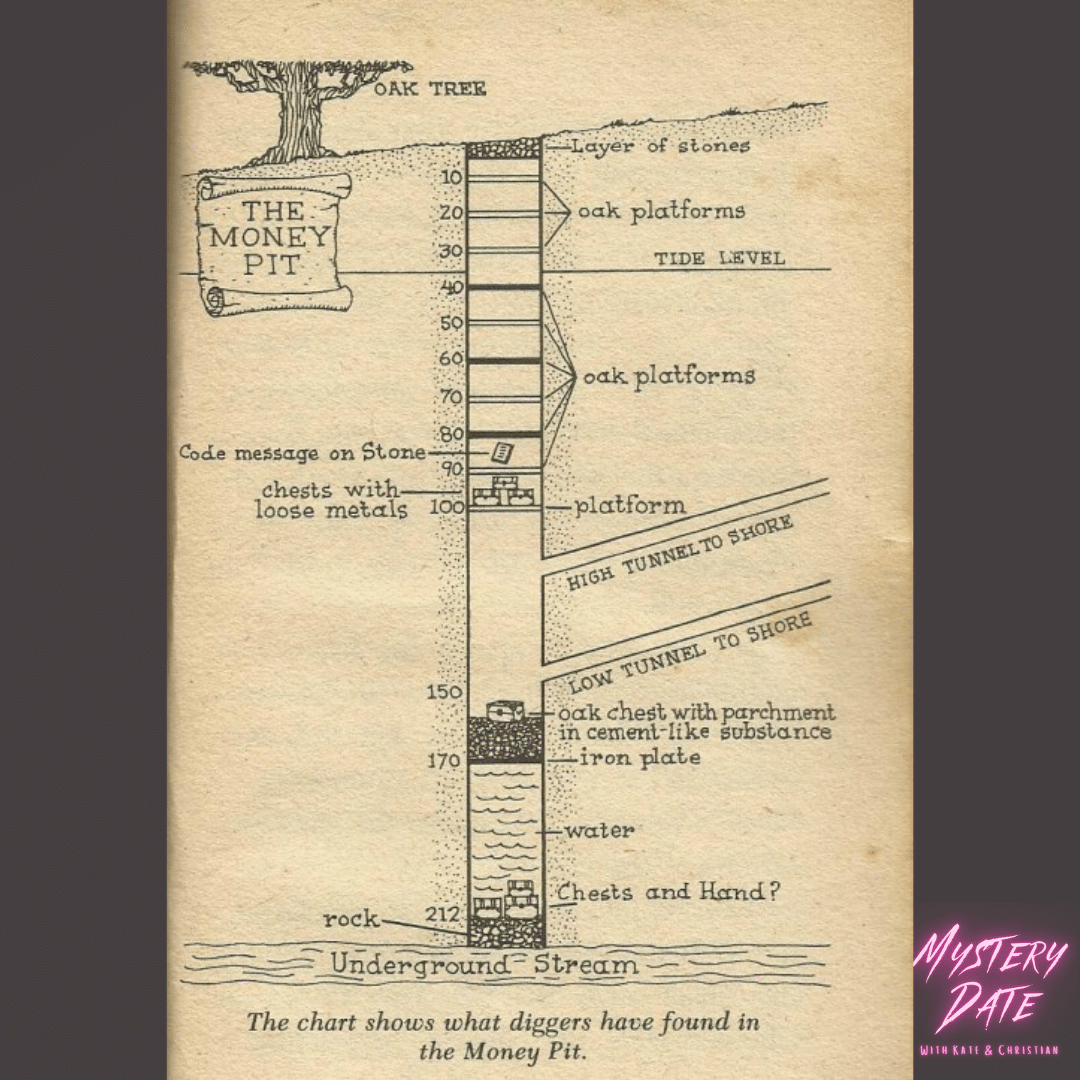
By the early 1800s the Money Pit had become a sensation. Investors formed companies to finance ever deeper excavations. In 1804 a group known as the Onslow Company resumed digging. They passed the thirty‑foot point reached by McGinnis and his companions and found more oak platforms every ten feet. Each layer added to the conviction that something valuable lay below. At forty feet there was a layer of charcoal; at fifty, putty; at sixty, coconut fiber. Coconut fiber in coastal Canada suggested that whoever built the pit had imported materials from the tropics – perhaps as part of a filtration system.
The excitement peaked around ninety feet when diggers unearthed a large flat stone covered with mysterious symbols. Legend has it that someone later translated the symbols to read, “Forty feet below, two million pounds are buried”. Modern scholars doubt the accuracy of that translation, but the stone fuelled the growing legend. Then, just as hopes rose, the pit flooded. Overnight seawater poured in up to the thirty‑foot level. Teams tried bailing, digging side tunnels and building coffer dams, but nothing worked. It seemed as if the island itself was fighting back.
The Truro Company and the Ingenious Trap
In 1849 a new group called the Truro Company took over. They bored exploratory shafts and dropped an auger into the Money Pit. At ninety‑eight feet the auger struck something unusual: wood, then metal, then empty space. When the team withdrew the tool they found pieces of chain and what looked like tiny gold links. Convinced a vault was near, they attempted to dig directly toward the suspected treasure. The pit flooded again.
The Truro Company made an important discovery about why the flooding was so relentless. They noticed that the water level in the pit rose and fell with the ocean tides. Investigators searched the shoreline and found at Smith’s Cove a complex system of stone drains packed with coconut fiber and eelgrass, funnelling seawater into the Money Pit through a hidden tunnel. This was not a natural sinkhole; it was an engineered trap. Whoever created the Money Pit had built an eighteenth‑century security system using natural tides to flood the shaft if anyone disturbed it.
Despite plugging some drains and blocking flood tunnels, the Truro Company could not overcome the trap. By 1851 they were bankrupt. Newspapers dubbed the quest the “Oak Island Folly,” but public fascination only increased. Scientists from the Smithsonian Institution later carbon‑dated coconut fibers from the drains and confirmed they were genuine tropical material, possibly centuries old. The combination of European engineering, tropical fibers and a booby‑trapped shaft suggested that the depositors were technologically sophisticated and perhaps had resources far beyond local farmers.
First Fatalities and a Growing Curse
The mid‑nineteenth century saw the first recorded death in the search for Oak Island’s treasure. During the 1860s the Oak Island Association, yet another treasure‑hunting syndicate, tried to clear the pit and dig new shafts. A steam boiler used to power pumps exploded, killing one worker. Soon after, the shaft collapsed. By 1864 the company had abandoned the project. Around this time rumours of a curse began circulating. According to local lore, seven people must die before the treasure would be found. With one fatality already counted, the island’s legend grew darker.
Despite the death and financial ruin, new companies kept coming. In the 1890s the Oak Island Treasure Company drilled deeper and retrieved a fragment of parchment from more than 150 feet below ground, bearing the letters “vi” or “ui” in India ink. They also pulled up trace amounts of gold dust. Yet again, flooding and technical limitations foiled the treasure hunters. By the dawn of the twentieth century, Oak Island had more shafts and tunnels than a mine but still produced no treasure.
Twentieth‑Century Trials, Tragedies and Technology
The twentieth century brought both celebrity interest and sorrow. In 1909 a young Franklin D. Roosevelt (long before he became U.S. president) joined the Old Gold Salvage and Wrecking Company to help with the Oak Island hunt. Led by Captain Henry Bowdoin, the group re‑dug the pit to 113 feet, sent divers down and inspected the original inscribed stone. Bowdoin concluded the stone was just a smooth slab of basalt with no markings. The expedition failed, but Roosevelt remained fascinated with Oak Island for the rest of his life; he even planned a secret visit in 1939, only to cancel because of the outbreak of World War II. That a future president would risk his reputation on a treasure hunt speaks to the island’s enduring pull.
The 1920s and 1930s saw more excavations. In 1931 William Chappell dug a new shaft and unearthed authentic artifacts at 127 feet, including a miner’s pick, an axe, a forged anchor fluke and an oil lamp. One tool was traced to Cornwall, England, raising questions about who else had worked the pit. Treasure hunter Gilbert Hedden became so obsessed with Oak Island that he made six trips to Nova Scotia, searched for Templar maps in England and even drew the interest of King George VI. Hedden discovered a massive triangle of stones on the island’s southern shore that appeared to point toward the Money Pit. Oak Island was no longer a local curiosity; it was a global obsession.
Deadly Gas and the Biggest Dig
Tragedy returned in 1965. Robert Restall, who had been living on Oak Island with his family since the late 1950s, was working in a shaft at Smith’s Cove when he was overcome by toxic gas – likely hydrogen sulfide or carbon monoxide. His eighteen‑year‑old son, Robert Jr., rushed in to help and also collapsed. Two workers, Karl Graeser and Cyril Hiltz, tried to rescue them and met the same fate. Four men died within minutes. The incident remains the deadliest chapter of the Oak Island story and added grim weight to the “seven must die” curse.
Undeterred, some hunters opted for brute force. In 1966 engineer Robert Dunfield arrived with a 70‑ton crane and a clamshell bucket. He attempted to remove an entire section of earth, creating a causeway from the mainland, widening the search area to 100 feet and digging over 130 feet deep. The scene was dramatic: heavy machinery clawing at mud while pumps worked furiously to control the ever‑rising water. Nature won again. Dunfield spent a fortune and left empty‑handed.
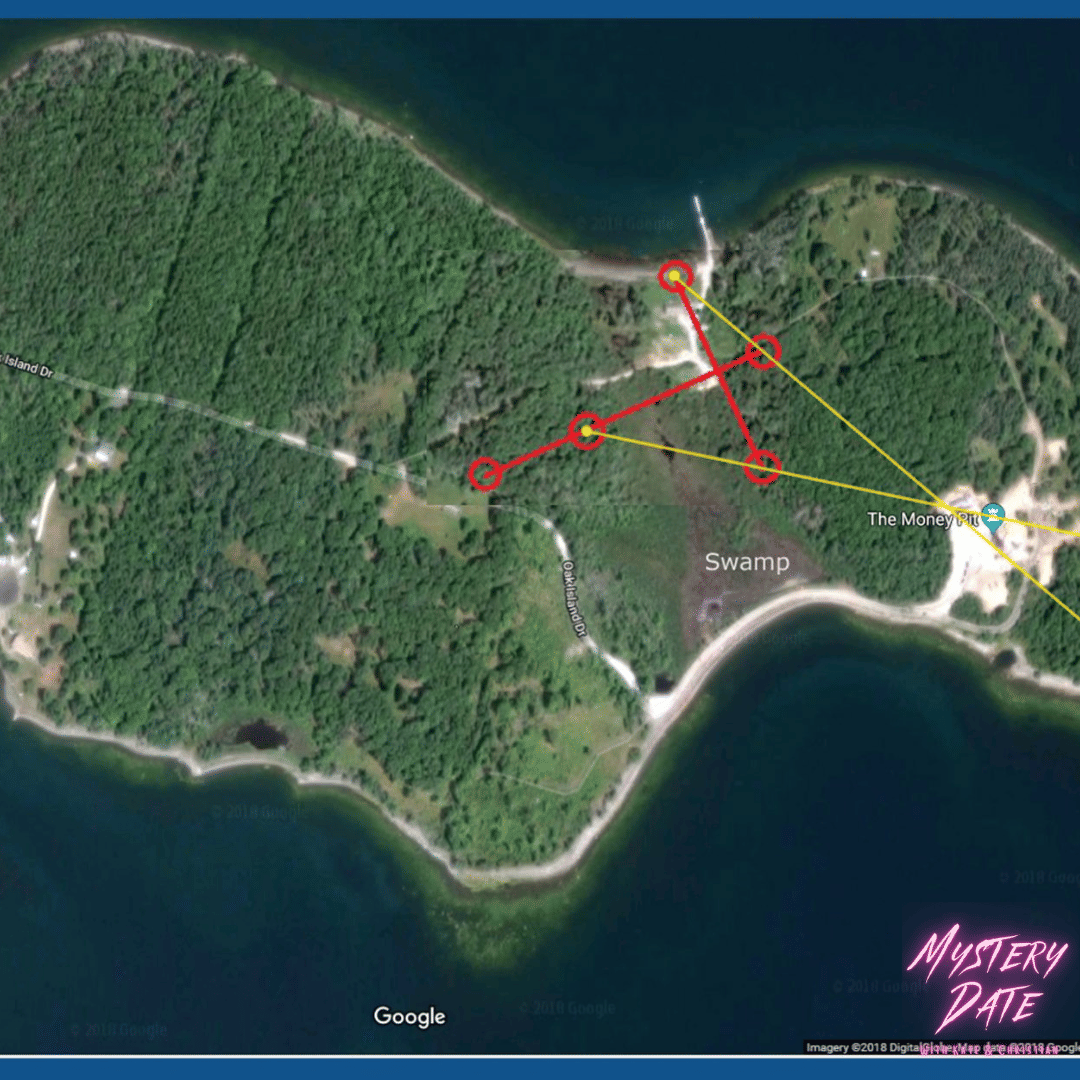
The late 1960s and 1970s saw treasure hunters adopt more advanced technology. The Triton Alliance, formed in 1967 by veteran digger Dan Blankenship and financier David Tobias, used high‑tech tools like underwater cameras and deep steel caissons. Their hope centred on Borehole 10‑X, which extended 235 feet below the surface. A camera lowered into the shaft appeared to show chests, tools and even human remains. Yet the footage was grainy and the shaft eventually collapsed. Surveyor Fred Nolan discovered a cruciform arrangement of six massive boulders now known as Nolan’s Cross. The cross aligned almost perfectly with cardinal directions and raised speculation about Templar markers or hidden geometry. Unfortunately, Nolan and Blankenship became embroiled in land disputes and lawsuits, leaving the island in legal limbo.
In 1995 scientists from the Woods Hole Oceanographic Institution added a sceptical twist. Their study suggested the flooding in the Money Pit might be due to porous limestone bedrock rather than engineered tunnels. If true, the trap that had thwarted so many teams could be natural. Yet even this didn’t dissuade treasure hunters; for them, each new theory became another clue.
The Modern Quest: Reality TV Meets Archaeology
Oak Island’s modern era began in 2005 when brothers Rick and Marty Lagina, childhood fans of the Oak Island mystery thanks to a Reader’s Digest article, partnered with veteran diggers and purchased a 50 per cent stake in Oak Island Tours Inc.. Armed with better financing and twenty‑first‑century technology – from ground‑penetrating radar to sonar imaging – they assembled a team they nicknamed “The Fellowship” in a nod to The Lord of the Rings. They also secured a special Oak Island Treasure Act from the Nova Scotia government, ensuring that any finds would be legally recorded and shared.
Their search became the subject of the History Channel series The Curse of Oak Island, which premiered in 2014. The show transformed the slow process of drilling and digging into episodic drama. Week after week, millions watched as the Lagina brothers and their crew pulled out old nails, shards of pottery and bits of metal while proclaiming “This could be it!”. Although sceptics derided the lack of treasure, the team made genuine discoveries. In their first season they found a Spanish coin from 1652. In 2017 they uncovered a lead cross whose metal was traced to southern France and dated to the 1200s–1400s. They also retrieved bone fragments from 160 feet down; DNA analysis showed one belonged to an individual of European descent and the other to a person from the Middle East. Testing water samples from boreholes revealed traces of gold and silver in certain zones. Wood from a shaft dubbed the Garden Shaft was dated to 1735, suggesting excavation occurred decades before the Money Pit’s discovery.
Other finds included a gold‑plated brooch and assorted iron tools and chest hardware. While none of these artifacts amount to a treasure chest, collectively they demonstrate that people were working on Oak Island long before the modern hunt and that multiple cultures may have been involved. The Laginas have also been meticulous in documenting and preserving finds, turning their quest into a combination of archaeology, geology and reality television. As of 2025 no large treasure has surfaced, but for the first time the clues seem to be aligning. The show continues to inspire new generations of armchair archaeologists.
Theories: Pirates, Templars, Empires and More
Why would anyone go to such lengths to bury something? Over the years Oak Island has spawned a multitude of hypotheses. Some are plausible; others read like pulp fiction. Below are the most discussed theories, along with the evidence and criticisms that accompany them.
Pirate Treasure
The romantic option is that infamous pirates such as Captain William Kidd or Blackbeard hid their plunder on Oak Island. Mahone Bay was known to shelter pirates in the 1600s and 1700s, and legend has Kidd claiming he hid loot “where only Satan and I can find it”. Proponents point to the coconut fiber (which would have been readily available to pirates operating in the Caribbean), the gold chain links unearthed by the Truro Company, and the general lawlessness of the era. Sceptics counter that pirates were typically practical: they would likely bury treasure briefly in a shallow hole near shore rather than engineer a deathtrap. The idea persists, however, because it fits our popular image of pirates and because the island’s booby‑trapped pit seems tailor‑made for swashbuckling storytelling.
Knights Templar and Sacred Relics
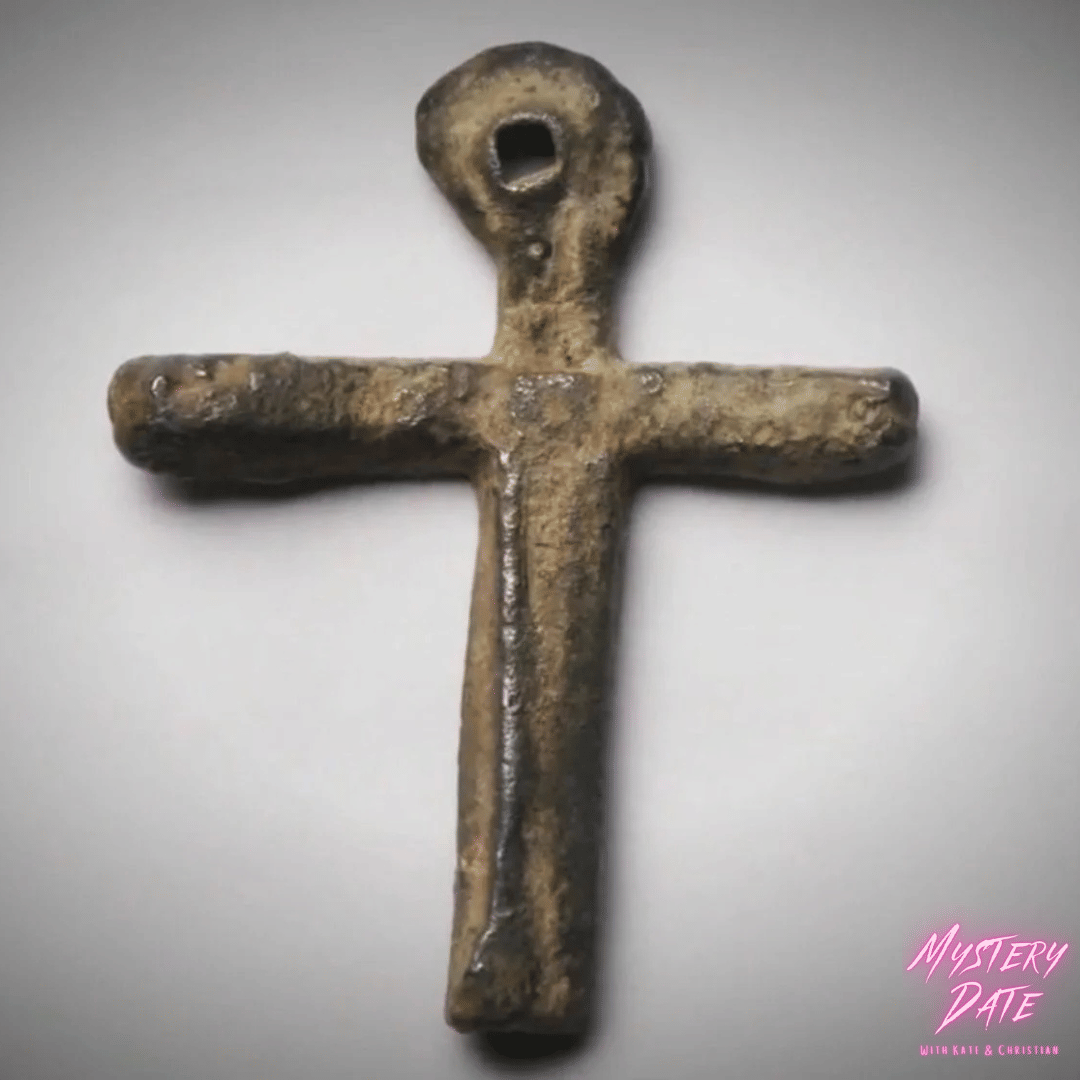
Another popular theory involves the Knights Templar, a medieval military order suppressed in the early 1300s. Some writers claim that Templar ships crossed the Atlantic carrying holy relics such as the Holy Grail or the Ark of the Covenant and hid them on Oak Island. They cite the lead cross found at Smith’s Cove and its medieval French composition, mysterious stone carvings, and the geometric layout of Nolan’s Cross. The Templar hypothesis taps into the broader mythos of secret societies and hidden knowledge. Yet there is no direct evidence that Templars ever reached Nova Scotia. To some, that absence of evidence only deepens the allure; to historians, it is reason enough to doubt the claim.
Imperial Booty
A less glamorous but more plausible theory posits that the Money Pit contains military treasure from colonial powers. During the eighteenth century both the British and French empires used Nova Scotia as a strategic base. Proponents speculate that British sailors hid loot seized from the Siege of Havana (1762) or that French officials smuggled gold from the Fortress of Louisbourg. Military engineers certainly had the skills to build flood tunnels, and we have records of the British Navy producing tar on Oak Island in the early 1700s. Critics note that there is no documentary evidence that any of these treasures were ever shipped to Mahone Bay, and constructing such an elaborate trap just to hide payroll seems excessive.
Shakespeare’s Manuscripts and Baconian Codes
In 1953 author Penn Leary proposed a literary twist: he argued that Sir Francis Bacon (a polymath and philosopher who some believe wrote Shakespeare’s plays) hid the original manuscripts on Oak Island. Leary suggested that symbols on the “90‑Foot Stone” correspond to Baconian ciphers and that the pit was built by Rosicrucians or Freemasons. The idea has appealed to amateur cryptologists, but there is no solid evidence linking Bacon to the island. Critics point out that the high costs and engineering required for such a vault are unlikely for a private literary stash. Still, as with many Oak Island theories, the absence of proof has not dampened enthusiasm.
Marie Antoinette’s Jewels
Another dramatic suggestion imagines that during the French Revolution, one of Marie Antoinette’s maids fled with the queen’s jewels and sailed to Nova Scotia, burying them on Oak Island. This theory has no historical documentation; it survives because it combines royalty, revolution and a mad dash across the Atlantic. In the context of Oak Island the narrative adds romance but little substance. Its persistence reveals more about our love for dramatic storytelling than about likely reality.
Natural Sinkhole and Other Scepticism
Not everyone believes there is any treasure at all. Some geologists argue that the Money Pit is a natural sinkhole formed in porous limestone. They propose that the layers of wood, coconut fiber and debris were deposited by early settlers producing tar or storing goods, and that subsequent treasure hunters misinterpreted these remnants. Researcher Joy Steele advanced this theory in detail, suggesting that the legend of treasure is an elaborate misunderstanding. To believers, this explanation is anticlimactic; to sceptics, it offers a tidy resolution.
Wild Speculations
Finally there are the delightfully outlandish theories: Viking settlers hiding artifacts, aliens burying advanced technology, portals to other dimensions under the swamp and pre‑Columbian explorations by Scottish Earl Henry Sinclair. There is little evidence for any of these ideas, but they highlight how Oak Island has become a canvas onto which people project their wildest dreams.
Clues, Artifacts and Engineering Marvels
What has been found after centuries of digging? While no one has unearthed a chest full of doubloons, the island has yielded a fascinating assortment of artifacts and engineering features that keep treasure hunters believing.
The Inscribed Stone
One of the earliest and most legendary discoveries occurred around 1804 when diggers pulled up a large stone about two to three feet long from ninety feet down. The stone, which didn’t match local geology, was carved with cryptic symbols. A translation emerged claiming it said “Forty feet below, two million pounds are buried”, though the accuracy of the transcription is disputed. To this day the inscribed stone’s location is unknown – one story claims it was used as a fireplace lintel in Halifax. Regardless, the stone became an iconic clue, fuelling speculation that someone left an encoded message for those bold enough to dig deeper.
Flood Tunnels and Box Drains
The flood tunnel system at Smith’s Cove is arguably the strongest evidence that the Money Pit was deliberately booby‑trapped. In the mid‑1800s searchers found five stone‑lined tunnels, each about one hundred feet long, leading from the cove toward the pit. These drains were packed with coconut fiber and eelgrass, materials that would filter out sand while letting seawater pass through. When someone dug too deep in the pit, the ocean would flood the shaft, making further excavation impossible. Building such a system without modern machinery would have required extensive labour and knowledge of tidal hydraulics. The existence of the drains suggests that whoever buried something on Oak Island did not want it found easily.
Coconut Fiber and Carbon Dating
As previously noted, coconut fiber has been found in multiple locations on Oak Island. The Smithsonian confirmed that the coir discovered at Smith’s Cove and deep underground dates to the 1200s–1400s. This predates the earliest European settlements in Nova Scotia and raises intriguing questions. Did early explorers or seafarers from tropical regions transport huge quantities of coconut fiber across the Atlantic to create a booby trap? Or do these dates suggest a much older human presence than previously assumed? Coconut trees do not grow in Canada, so its presence is a hard fact that any theory must address.
Parchment Scraps
Treasure hunters have also recovered small fragments of parchment from the depths. In 1897 a borehole brought up a piece of parchment with the letters “vi” or “ui” written in India ink. In 2017 the Lagina team found additional parchment scraps and leather bookbinding over 150 feet down. These finds hint at the possibility that manuscripts or documents were once stored in the Money Pit. Supporters of the Baconian theory note that early modern manuscripts were often written on parchment and bound in leather. Even if these pieces aren’t Shakespeare’s plays, they provide tantalising evidence that something textual may have been placed in the pit.
Gold Links, Metal Bits and Tools
Those early auger tests also retrieved what looked like three small links of gold chain. Later excavations uncovered traces of gold and copper in clay, iron spikes from ships, and fragments of wooden chest hinges. Other digs turned up copper rings, military‑style buttons and even a jewel‑encrusted brooch. Each artifact suggests human activity, and the diversity of objects implies that multiple groups – possibly across centuries – visited the site. Tools bearing Roman numerals and timbers carved for an engineered tunnel system were also found, pointing to deliberate construction. Some tools have been identified as eighteenth‑century French or English, hinting at the nationalities of the builders.
Nolan’s Cross and the Stone Triangle
Beyond the Money Pit, the island’s surface features have drawn attention. Surveyor Fred Nolan discovered six boulders laid out in a perfect cruciform pattern, dubbed Nolan’s Cross. Its arms align with the cardinal directions, and some believe it is a Christian symbol left by the Knights Templar. Skeptics suggest it could be an example of people seeing patterns where none exist, yet the placement remains unusual. Another formation, a triangle of boulders on the southern shore, seemed to point directly toward the Money Pit. Some treasure hunters considered it part of a navigational system or the first clue in a larger surface map. The triangle was partially destroyed by later digs, but its geometry was well documented and continues to inspire speculation.
The Curse and the Count
Perhaps the most chilling element of Oak Island lore is the so‑called “seven must die” curse. By the 1960s six people had perished in pursuit of the treasure, including four during the 1965 gas tragedy. According to the legend, only after a seventh death will the treasure be revealed. There is no evidence that this curse appears in early accounts – it likely emerged as a mid‑twentieth‑century invention. Still, it adds tension and a sense of foreboding to every dig. Today, treasure hunters joke nervously about drawing straws, while sceptics dismiss the curse as marketing.
Ghost Stories, Lights and Celebrity Hunters
Oak Island’s legend has attracted more than explorers and engineers. Over the years treasure hunters have reported strange lights flickering in the woods, apparitions in period clothing and feelings of being watched. There is no hard evidence for hauntings, but the island’s eerie ambience and decades of obsession make supernatural tales almost inevitable. Even the roster of searchers reads like a movie: U.S. President Franklin D. Roosevelt, Hollywood actors John Wayne and Errol Flynn, polar explorer Admiral Richard E. Byrd and millionaire William Vincent Astor all showed interest or invested in digs. As one commentator quipped, the cast of an Oak Island movie would include Indiana Jones, Captain Jack Sparrow and Nicolas Cage.
Beyond the Treasure: Why We Keep Digging
If there really were two million pounds buried on Oak Island, it would already have been cheaper to pay someone to tell us where it was. The island has consumed fortunes – more money has been spent searching for treasure than any theoretical hoard is worth. Why, then, does the Money Pit continue to capture imaginations and wallets? The answer lies at the intersection of history, psychology and storytelling.
Human Obsession and the Sunk Cost Fallacy
The Money Pit is a classic illustration of the sunk cost fallacy: the more time and money people invest, the harder it becomes to walk away. Each failed dig invites the next investor to believe they will be the one to solve the puzzle. In the nineteenth century the promise of wealth drove the first companies; in the twentieth century the involvement of celebrities and presidents amplified the legend; in the twenty‑first century a reality television series ensures that millions of viewers are emotionally invested in the outcome. The treasure may be mythical, but the psychological investment is real.
Mystery as a Narrative Engine
Humans are natural storytellers. The Oak Island legend combines all the elements of a good mystery: a remote location, coded messages, engineering marvels, tragedies, curses and a cast of characters ranging from teenagers to presidents. As the centuries passed, each new discovery or failure became another chapter. Rumours of pirate gold, sacred relics and lost manuscripts operate like plot twists. Even the absence of treasure fuels the story, creating a tension that draws people in. Oak Island has become a canvas onto which society projects its hopes, fears and fantasies.
Entertainment and Commerce
Modern technology turned the Oak Island hunt into a media property. The Curse of Oak Island has run for more than ten seasons, bringing in advertising revenue, tourism dollars and licensing deals. Fans travel to Nova Scotia, attend guided tours and purchase merchandise. Critics argue that the real treasure is the revenue generated by the show. But it is worth remembering that the Laginas invest millions of their own money into the search and employ archaeologists and specialists to ensure that the island’s history is preserved. Even if they never find a chest of gold, the island’s story contributes to local economies and inspires interest in history and geology.
The Allure of the Unsolved
People are drawn to mysteries precisely because they lack answers. Once a mystery is solved, it loses its magic; as soon as we know what is buried in the Money Pit (if anything), Oak Island will become less interesting. The possibility of an answer keeps curiosity alive. Author Erin Thompson observed that the search for Oak Island’s treasure is less about treasure and more about the thrill of the hunt – the idea that there are still places where secrets lie beneath our feet, waiting for those brave or foolish enough to dig. In a world of Google Maps and satellite imaging, the thought that a centuries‑old puzzle remains unsolved is intoxicating.
Conclusion: The Real Treasure of Oak Island
After more than two centuries of digging, drilling, collapsed shafts, recovered artifacts, shattered theories and countless hours of television, the Oak Island mystery endures. The Money Pit is more than a hole in the ground; it is a story about obsession, ingenuity and imagination. Beneath the island lie oak platforms placed every ten feet, flood tunnels engineered long before modern plumbing and a mosaic of clues: cryptic stones, coconut fibers, parchment scraps, medieval crosses, bones of unknown origin and hints of gold. Above ground, people have died, fortunes have been squandered and families have been torn apart or brought together by the search.
So, is there really treasure under Oak Island? Maybe. There is evidence of human activity predating the Money Pit’s discovery and of sophisticated engineering designed to conceal something. Yet after more than 200 years, no one has recovered a chest of coins. Perhaps the island hides knowledge rather than gold, or perhaps the Money Pit is indeed a natural sinkhole misinterpreted by generations of treasure hunters. What is certain is that Oak Island has become one of the most enduring legends in the Western world. It is a modern labyrinth that pulls in dreamers, scholars, thrill‑seekers and sceptics alike.
Ultimately, the real treasure of Oak Island may not be what lies under the ground but what has grown above it: a rich narrative that spans centuries and continents, connecting pirates, presidents, engineers, television producers and curious readers like you. Whether the Money Pit holds gold, manuscripts or nothing at all, its story has already paid dividends in wonder and inspiration. Perhaps the island will someday yield its secrets. Or perhaps it will continue to do what it does best: entice generation after generation to pick up a shovel and believe that somewhere, just out of reach, a hidden truth awaits.
📚 Want to Learn More?
Check out these great sources:
Sullivan, Randall. The Curse of Oak Island: The Story of the World's Longest Treasure Hunt (Atlantic Monthly Press, 2018)
O’Connor, D’Arcy. The Secret Treasure of Oak Island (Lyons Press, 2004)
Steele, Joy A. The Oak Island Mystery Solved (Nimbus Publishing, 2015)
The Curse of Oak Island (History Channel, 2014–present)
In Search of… – “Oak Island Money Pit” episode (1979)
Woods Hole Oceanographic Institution – Borehole 10-X survey and geological studies
Smithsonian Institution – Analysis of coconut fiber samples
Oak Island Tours Inc. – www.oakislandtours.ca
Nova Scotia Archives – Oak Island documents and historical maps
History.com – “What is Buried on Oak Island?”
🎧 Listen. Share. Repeat.
listen to the full episode now at www.mysterydatepodcast.com/episodes
Thanks for spending time with us on Mystery Date. Be sure to follow us on Instagram, subscribe to the show, and share it with your friends, family, or even your enemies.
Because every good mystery… deserves a date.