
The Setting: "The Gateway to the Litchfield Hills"
To understand this case, you have to look at the world of 1981. This wasn't the high-tech, hyper-connected world we live in now. This was an era of wood-paneled station wagons, the rise of the "Satanic Panic," and a deep-seated trust in small-town safety.
Brookfield, Connecticut, was—and is—a quintessential New England town. Nestled in Fairfield County, it was known as a quiet, affluent, and incredibly safe community. By 1981, the town had been incorporated for 193 years. In nearly two centuries, they had never recorded a single homicide. People didn't just know their neighbors; they knew their neighbors’ dogs and their grocery lists. It was the kind of place where the most "exciting" thing in the local paper was a high school football score or a zoning board meeting.
But beneath that calm, the early 80s were a time of transition. The country was reeling from the gritty 70s and leaning into a new kind of suburban anxiety. The "Occult" was becoming a household word, thanks to movies like The Exorcist and The Omen. So, when a violent crime finally hit Brookfield, the community didn't just look for a motive—they looked for a monster.
The Protagonist: Arne Cheyenne Johnson
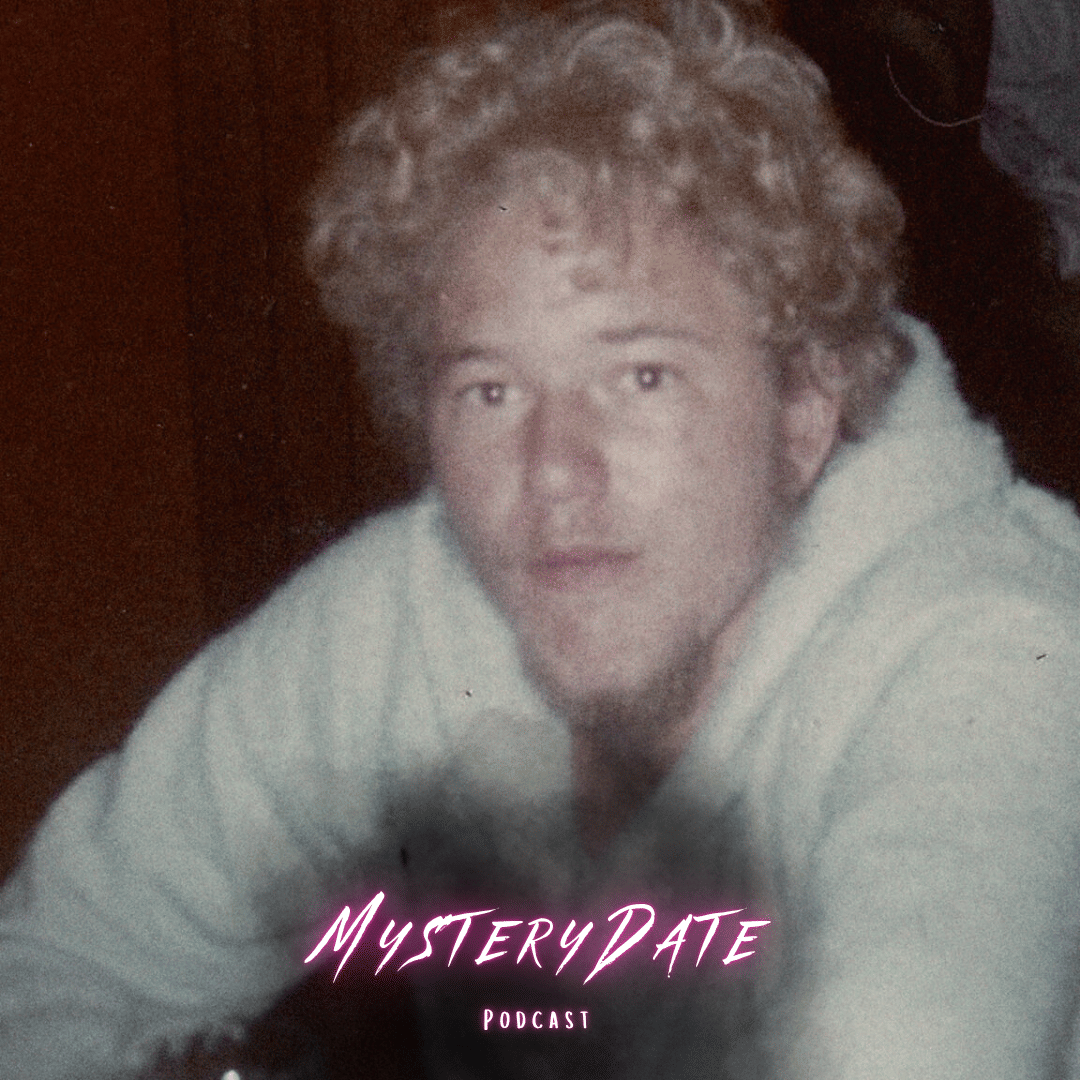
Arne Johnson was 19 years old, and if you saw him walking down the street, you’d see the poster child for the American working class. He wasn't a troublemaker. He didn't hang out on street corners or get into scuffles at bars. Arne was a "tree surgeon," a job that in the 80s meant he spent his days harnessed to massive oaks and maples with a chainsaw in hand. It’s a job that requires two things: physical strength and a calm under pressure. You don't last long in the trees if you're prone to erratic outbursts.
Arne was described by his friends and family as a "protector." He had a mop of feathered brown hair and a quiet, almost shy intensity. He was deeply in love with Debbie Glatzel, and in the months leading up to the incident, he had basically become an unofficial member of the Glatzel family. He was the guy who fixed the car, the guy who helped with the heavy lifting, and—crucially—the guy who stayed up all night holding 11-year-old David Glatzel’s hand while the boy screamed about "the Beast Man."
Arne’s life was defined by duty. He felt a profound responsibility to shield the people he loved from anything that threatened them—whether that was a falling tree limb or, as he eventually believed, a literal demon.
The Victim: Alan Bono
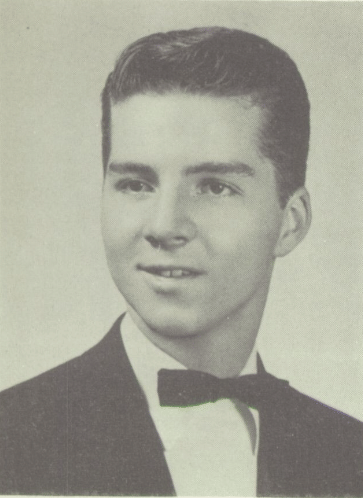
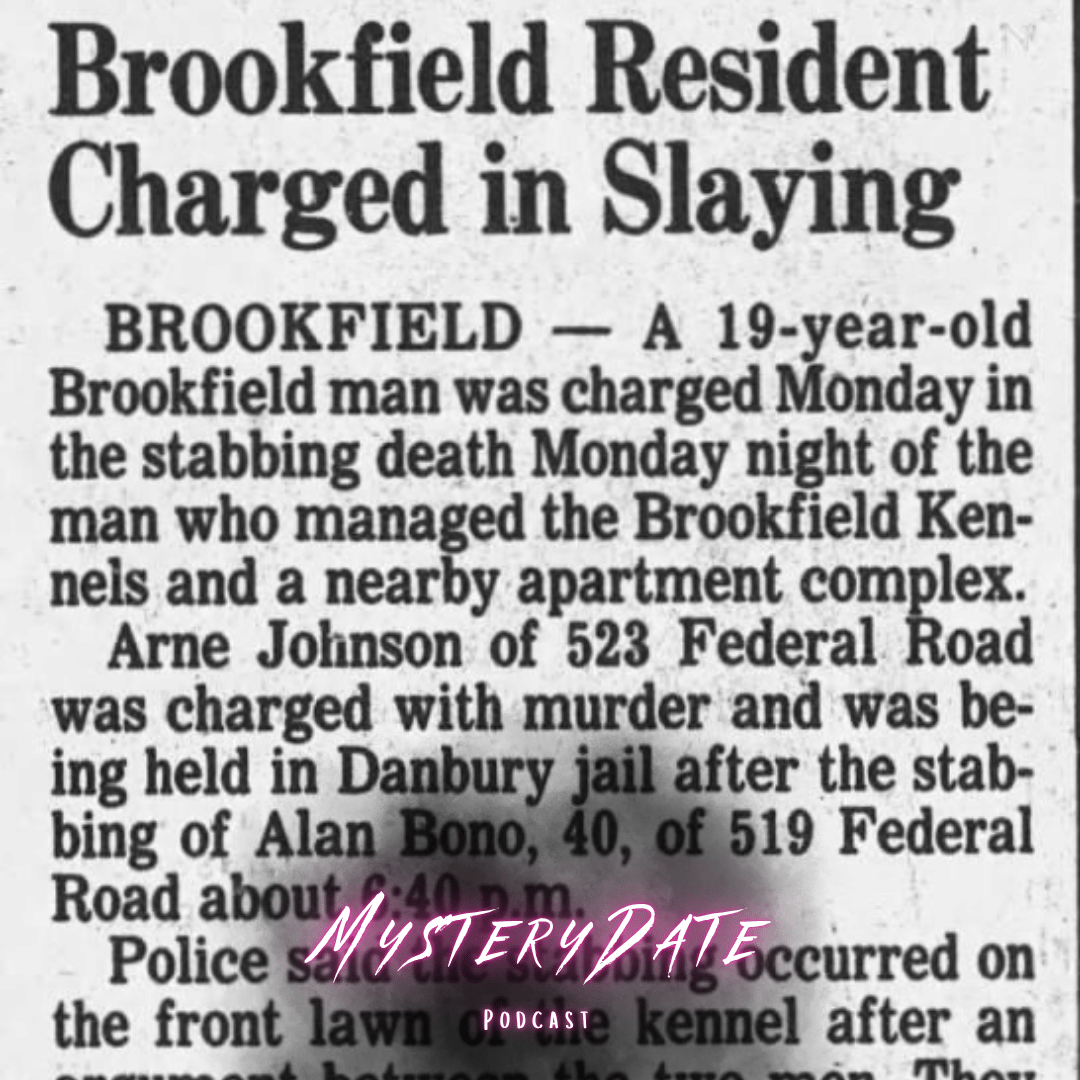
Then there was Alan Bono. At 40 years old, Bono was a man who lived a life that was loud and colorful. He was a veteran who had worked in bridge construction before moving to Brookfield to manage the Wright Way Dog Kennel.
Bono was a bachelor, a "man’s man" who enjoyed the finer points of 1980s leisure: good wine, loud music, and constant company. He lived in an apartment located directly above the kennel. He was Arne’s landlord and Debbie’s boss, which created a close-knit, almost claustrophobic social circle.
By all accounts, Arne and Alan liked each other. They were "drinking buddies" who shared the same blue-collar grit. But Alan had a reputation for being a heavy drinker. When he drank, he became "boisterous"—the kind of guy who gets a little too loud, a little too touchy, and a little too aggressive. In a small town like Brookfield, everyone knew Alan’s routine. He wasn't a villain; he was just a guy with a short fuse and a wine habit. But on February 16th, that fuse met a young man who believed he was carrying the weight of 42 demons.
The Prelude: A House Built on Shadows
The haunting didn't start at the kennel; it started at a rental house on Lindley Street. The Glatzel family had moved there to start fresh, but almost immediately, David began complaining about an "old man" who would appear to him.
The family's accounts from this time are harrowing. They describe David being pushed by invisible forces, having "red marks" appear on his neck like he was being strangled, and speaking in a voice that didn't belong to a child. The Glatzels weren't "paranormal investigators"; they were terrified parents. They did what any religious family in 1980 would do: they called the church. And when the church was too slow, they called Ed and Lorraine Warren.
The Warrens arrived like a whirlwind. They confirmed the family’s worst fears, claiming that David was being tormented by a "demonic presence." Arne was there for every minute of it. He witnessed the "deliverance" sessions—informal exorcisms where the atmosphere reportedly became so cold you could see your breath, and where furniture supposedly moved on its own.
It was during one of these sessions that Arne, driven by a mix of exhaustion and protective instinct, challenged the entity. He reportedly grabbed David and screamed, "Take me on! Leave this kid alone and take me!" From that day forward, the people around Arne said he wasn't the same. He began to have "blackouts." He would stare at the walls for hours. He claimed he saw the "Beast Man" reflected in his own eyes in the mirror. He was a 19-year-old kid who thought he had traded his soul for a child’s safety, and the psychological—or spiritual—toll was beginning to fracture him.
The Incident: The Breaking Point
February 16, 1981, was a Monday. It started with a "liquid lunch" at a local restaurant called Mug 'n' Munch. Alan Bono, Arne, Debbie, and her nieces were all there. It was a celebration of sorts, but as the wine flowed, the vibe shifted. Bono was becoming increasingly erratic.
When they returned to the kennel, the "boisterous" Alan Bono emerged. He reportedly grabbed one of Debbie’s nieces—a 9-year-old girl—and refused to let her go. He was agitated, drunk, and aggressive. To Arne, this wasn't just a drunk landlord; this was a threat to the family he had sworn to protect.
What happened next lasted less than a minute.
Witnesses say a "low growl" came from Arne’s throat. He drew a five-inch pocketknife—a tool he carried for work—and fell upon Bono in a blind, animalistic frenzy. He didn't just stab him; he carved into him. Four to five deep wounds were inflicted, with one thrust so violent it ripped from Bono’s stomach up to his heart.
The "safe" town of Brookfield had finally lost its innocence. And as Arne walked away into the cold February woods, the town was left to decide if they were looking at a cold-blooded killer or a man whose "fatal mistake" with the occult had finally come to collect.
The Legal Circus: Putting the Devil on the Stand
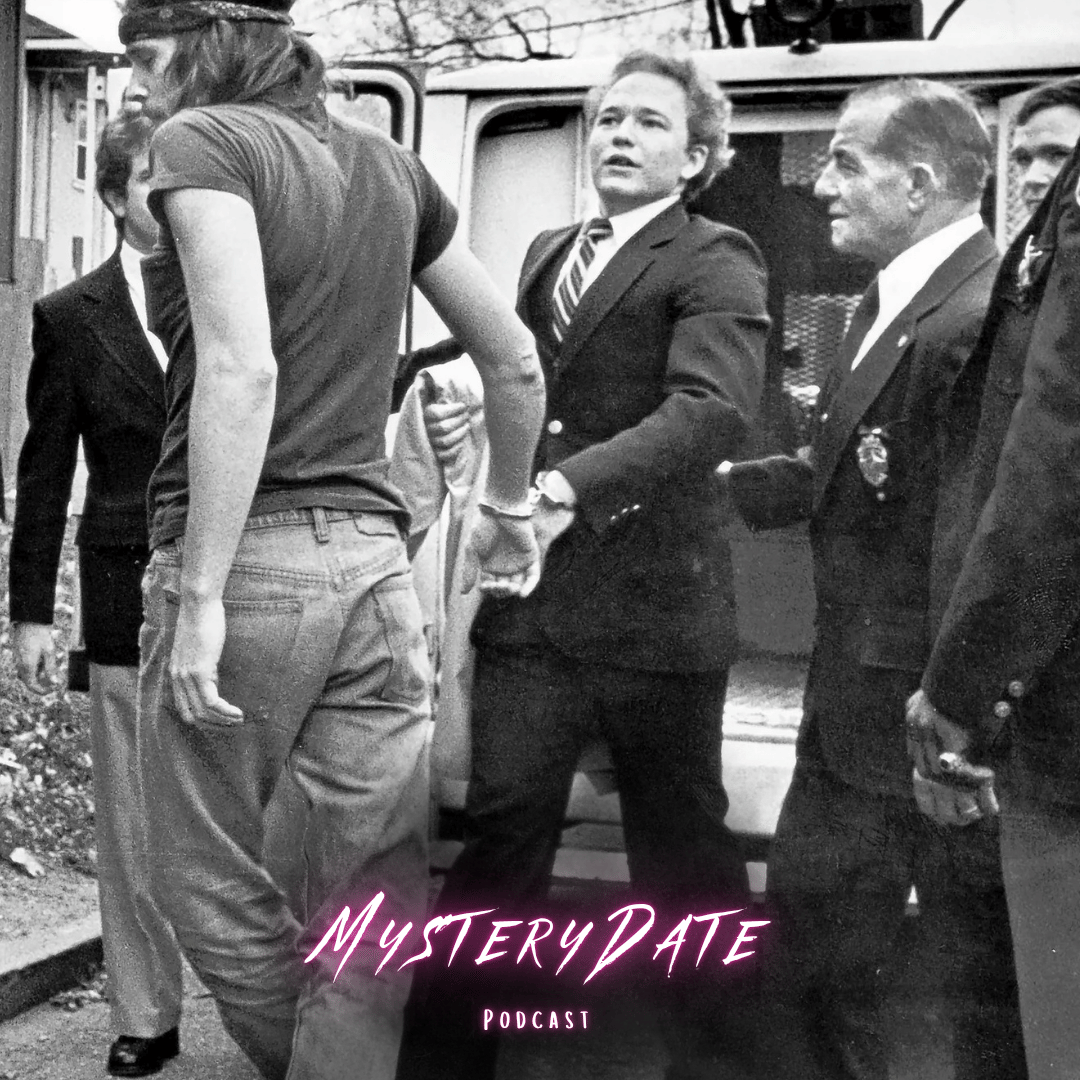
As Arne Johnson sat in a cell, the case was undergoing a radical transformation. What should have been a standard, if tragic, manslaughter trial was being rebranded as a supernatural showdown. This was due in large part to Arne’s defense attorney, Martin Minnella.
Minnella wasn't your typical small-town lawyer; he was a man with a flair for the dramatic and a keen eye for the cameras. He didn't just want to win the case; he wanted to change the legal landscape of the United States. He began making bold claims to the press, stating that he had a "mountain of evidence" that his client was not a murderer, but a vessel. He famously flew to London to consult with English barristers who had allegedly toyed with similar defenses, though no such precedent actually existed in common law.
The media caught the scent immediately. By the time the trial began in October 1981, Brookfield was no longer a quiet New England town—it was a circus. News vans from New York and Boston lined the streets. Journalists from The New York Times and People Magazine sat shoulder-to-shoulder with local residents in the gallery. The world was captivated by a single, impossible question: Can a demon be held liable for a crime?
The Warrens: Spiritual Experts or Media Architects?
At the heart of this media frenzy were Ed and Lorraine Warren. While they are often portrayed as the heroes of this story in modern cinema, their involvement in 1981 was deeply controversial.
The Warrens didn't just provide spiritual guidance to the Glatzel family; they became the primary narrators of the "Devil Made Me Do It" story. They were a fixture on the evening news, with Lorraine often describing the "black mist" and "foul odors" that had plagued the family. Ed Warren went as far as to warn the public that the demons involved were "deadly" and that the court was ignoring a genuine public safety threat by refusing to acknowledge the occult.
However, critics at the time—and many since—pointed out a convenient timing to their involvement. The Warrens were already becoming household names, and the Arne Johnson case provided a platform unlike any they had ever seen. They were accused by some of "coaching" the Glatzels, turning a family’s psychological crisis into a marketable horror story.
During the pre-trial phase, the Warrens were essentially the defense’s star "expert witnesses" in the court of public opinion. They spoke of the 42 demons they had counted inside David Glatzel and claimed that they had warned the police months before the murder that "something terrible was going to happen." But when it came time to step into a real courtroom, their spiritual expertise met a very physical wall.
Judge Callahan’s Hammer
The "circus" came to a screeching halt the moment Judge Robert Callahan took the bench. Callahan was a no-nonsense jurist who had zero patience for ghost stories. He knew that if he allowed "demonic possession" as a legitimate defense, it would set a precedent that could dismantle the entire American justice system. After all, if the Devil can be blamed for a stabbing, what’s to stop every criminal in the country from claiming they were possessed?
In a landmark ruling, Callahan barred any testimony related to the supernatural. He stated that such claims were "unscientific" and "irrelevant." He essentially told Minnella: “You can argue self-defense, you can argue insanity, but you cannot argue Satan.”
This ruling effectively defanged the Warrens' involvement in the legal proceedings. They were relegated to the hallway outside the courtroom, where they continued to hold court with the press, while inside, the trial was forced to become a mundane, factual look at a stabbing.
With the "Devil Defense" dead in the water, Minnella was forced to pivot to a standard self-defense argument. He tried to claim that Alan Bono was a violent drunk and that Arne was simply protecting himself and the children. But without the supernatural "X-factor" to explain Arne's animalistic behavior and memory loss, the argument fell flat.
The jury wasn't asked to decide if demons were real; they were asked to decide if Arne Johnson intended to kill Alan Bono. On November 24, 1981, they decided he did. Arne Johnson was sentenced to 10 to 20 years for first-degree manslaughter.
The aftermath of the trial left the town of Brookfield scarred. The "safe" reputation of the community was gone, replaced by the ghost of a murder and the shadow of a media circus. For the Warrens, the case was a massive boost to their fame, eventually leading to books and movies. But for the Glatzel family, the fallout was permanent. The division between those who believed in the possession and those who believed it was a hoax would eventually lead to lawsuits and a family feud that lasted decades.
In the end, the trial of Arne Johnson proved one thing: the law has a very short reach when it comes to the unknown. The court can punish the hand that holds the knife, but it has no way to grasp the spirits—or the delusions—that might be guiding it.
The Aftermath: Freedom and Fallout
Arne Johnson didn't serve 20 years. He served five.
He was released in 1986 for good behavior. While in prison, he married Debbie Glatzel, and they remained together until her death. Even today, Arne maintains his innocence, claiming he has "no memory" of the night Alan Bono died.
But the "perfect haunting" narrative started to crack in 2007. David’s older brother, Carl Glatzel, sued the Warrens and the author of the book The Devil in Connecticut. Carl’s side of the story is much darker and much more human. He claimed the whole thing was a hoax orchestrated by the Warrens to exploit David’s mental health issues for money. He claimed David wasn't possessed; he was suffering from a learning disability and the trauma of a high-stress household, and the Warrens had coached them into a frenzy for a payday.
The Wrap-Up
So, where does that leave us?
If you believe the Warrens, Arne Johnson was a martyr who traded his soul to save a child and paid for it with his freedom. If you believe the skeptics, it was a "folie à deux"—a shared delusion fueled by religious fervor and a very clever lawyer trying to keep his client out of a life sentence.
Either way, the case remains the only time the American legal system was asked to judge a demon. And the court gave the same answer it always does: The law doesn't care about the shadows in the corner; it only cares about the person standing in the light.
About This Episode
This blog post is adapted from our Season 2 episode of the Mystery Date Podcast — “The Trial Of Arne Cheyenne Johnson | What Happens When The Devil Kills”, part of our A Haunting season exploring the strange and mysterious side of the paranormal.
🎧 Listen to the full episode: Mystery Date Podcast
👕 Grab themed merch: Mystery and Co.
📬 Send us your local legends: mysterydatepodcast@gmail.com | (216) 770-4881